Welcome to Webster Groves, MO
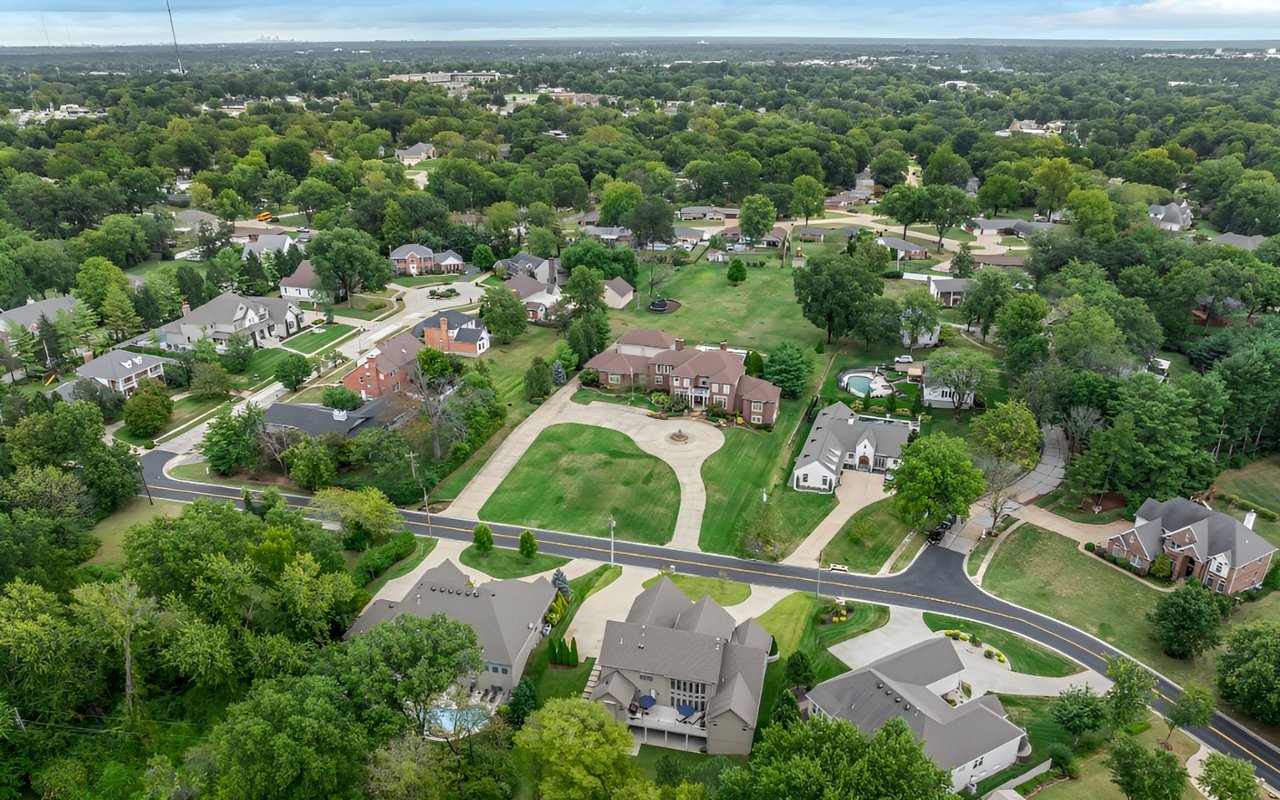
There's a reason Webster Groves keeps landing on "best places to live" lists in the St. Louis region, and it isn't marketing. This is an inner-ring suburb that feels genuinely lived-in: sidewalks shaded by hundred-year-old oaks, front porches people actually use, and two walkable commercial districts where the shop owners tend to know your name. Founded around the old Missouri Pacific rail line, the community grew up as a streetcar suburb, and that DNA still shows in its dense, connected, pedestrian-friendly layout.
What sets Webster apart is the balance it strikes. You get the architectural character and civic traditions of a small historic town, paired with a genuinely urban level of convenience—downtown St. Louis is a 15-minute drive, and some of the metro's best restaurants and cultural institutions are within your own ZIP code. Buyers who fall for Webster Groves rarely leave, which is exactly why it can be so hard to buy into. Below is an honest, ground-level look at what living here actually involves, from commute times and school districts to the older-home realities you'll want to understand before you write an offer.
Location & Commute
Webster Groves sits roughly 8 to 10 miles southwest of downtown St. Louis, which translates to a 15-to-20-minute drive off-peak. Clayton's business district is even closer at 10 to 15 minutes, and St. Louis Lambert International Airport is about 20 minutes out. For a community that feels tucked away and residential, its connectivity is one of its quietly underrated strengths.
Interstate 44 runs directly through the municipality, with primary exits at Elm Avenue and Laclede Station Road feeding straight into the city. I-64/US-40 and I-270 are both an easy reach via arterials like Big Bend Boulevard and Brentwood Boulevard, which makes cross-county trips painless.
On transit: the MetroLink light rail doesn't cut through the center of town, but Webster borders several Blue Line stations. The Shrewsbury-Lansdowne I-44 Station sits right on the eastern edge with park-and-ride facilities, and the Maplewood-Manchester and Sunnen stations are minutes north. Local MetroBus feeders (Route 56, for one) connect Webster neighborhoods directly to these stations, making a car-free commute to downtown, the Central West End, or Washington University entirely realistic.
The Webster Groves Real Estate Market
The Webster Groves market is best described in one word: tight. High quality-of-life ratings and a top-ranked school district mean residents put down roots and stay, so inventory stays constrained—typically only 40 to 80 active single-family listings across the entire municipality at any given moment. When a well-maintained, turnkey home hits the market, it moves fast, often going under contract in 5 to 16 days, frequently with multiple offers.
Here's a snapshot of where the numbers currently sit:
Metric | Where It Stands |
|---|
Median sale price | ~$420,000 – $450,000 |
Price per square foot | ~$250 – $267 |
Annual appreciation | Steady mid-single digits (~4–5%) |
Days to pending (turnkey homes) | 5 – 16 days |
Sale-to-list ratio | ~99% – 101% |
Prime pockets like the Central Webster Historic District, Tuxedo Park, and Glendale Heights routinely draw competing offers and sell above asking. The practical takeaway for buyers: get fully pre-approved and be ready to act decisively, because hesitation loses homes here. For sellers, updated properties command strong leverage. Webster carries a real premium over St. Louis City's median—driven by the schools, the walkable-yet-suburban feel, and the irreplaceable historic housing stock—and that premium has proven resilient even in softer markets.
Homes & Architecture
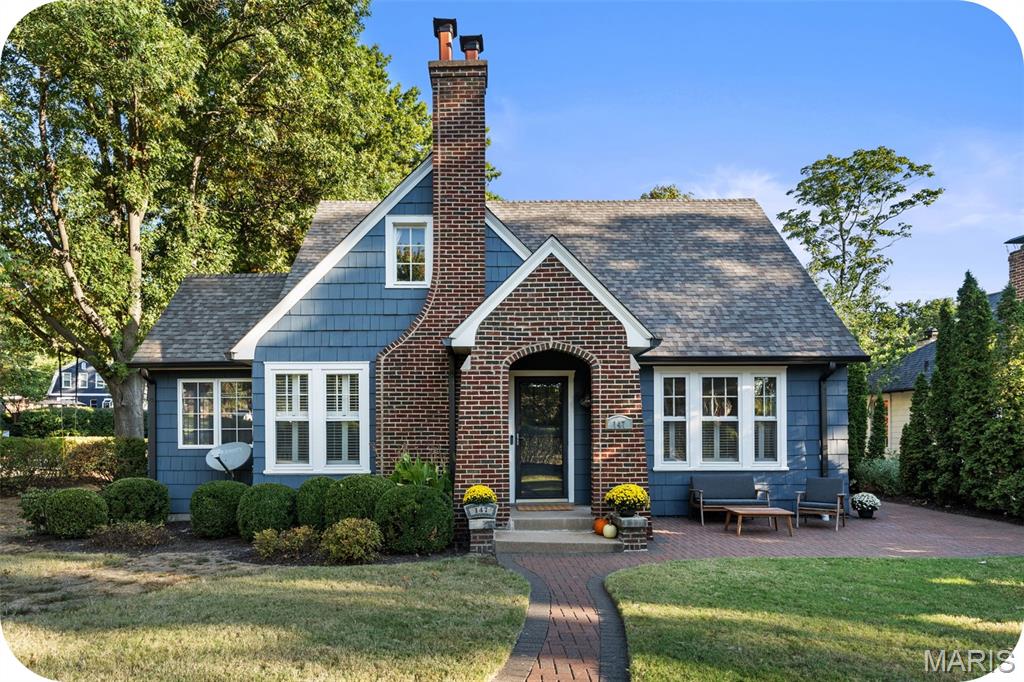
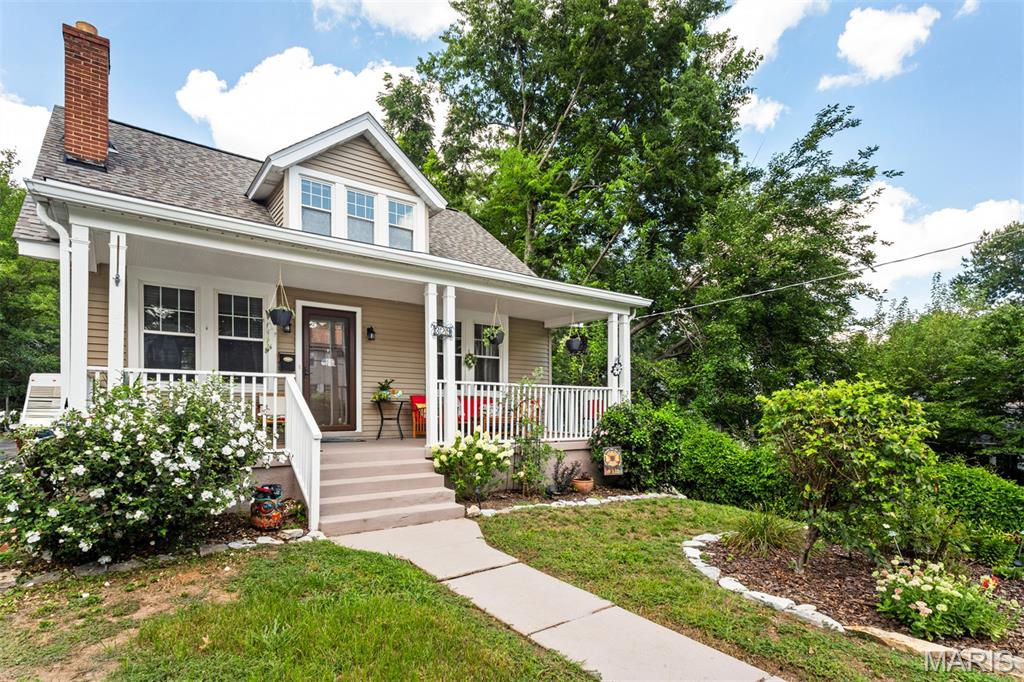
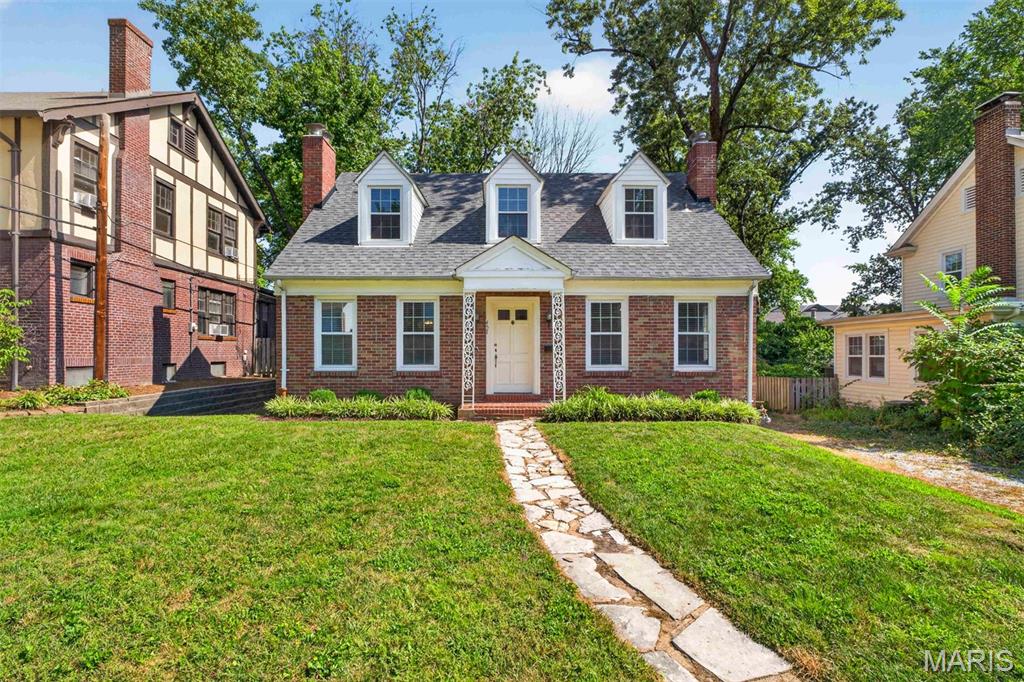
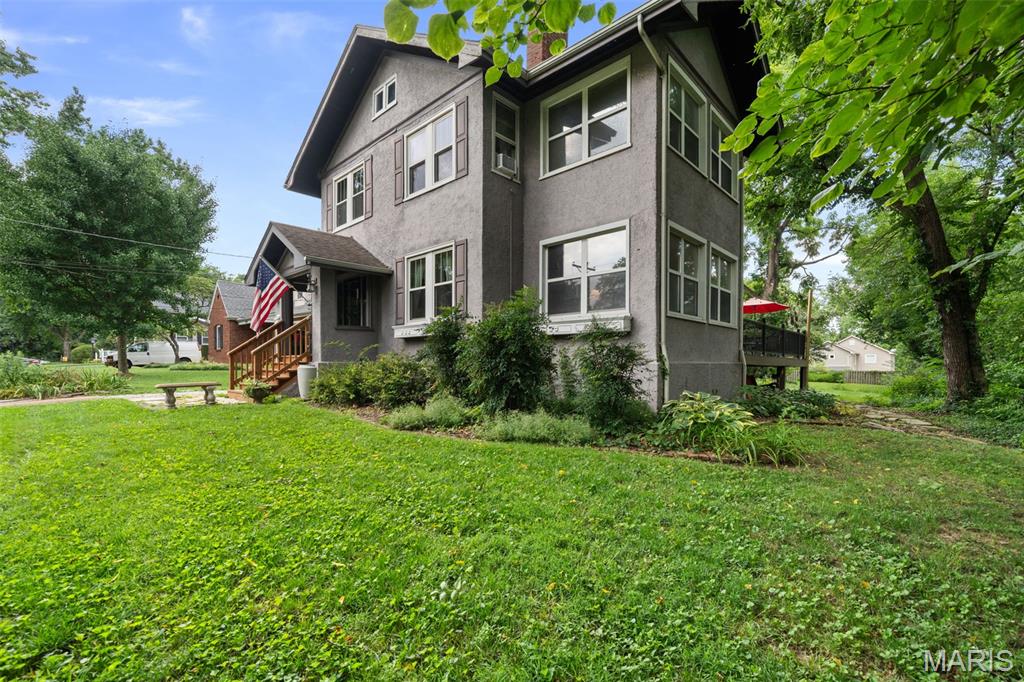
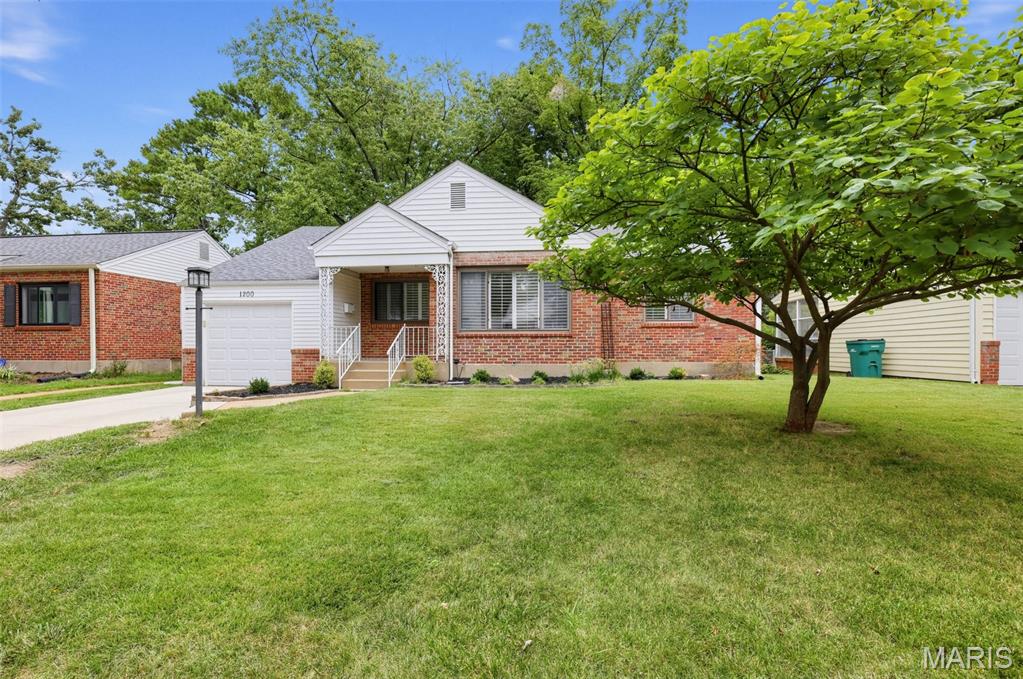
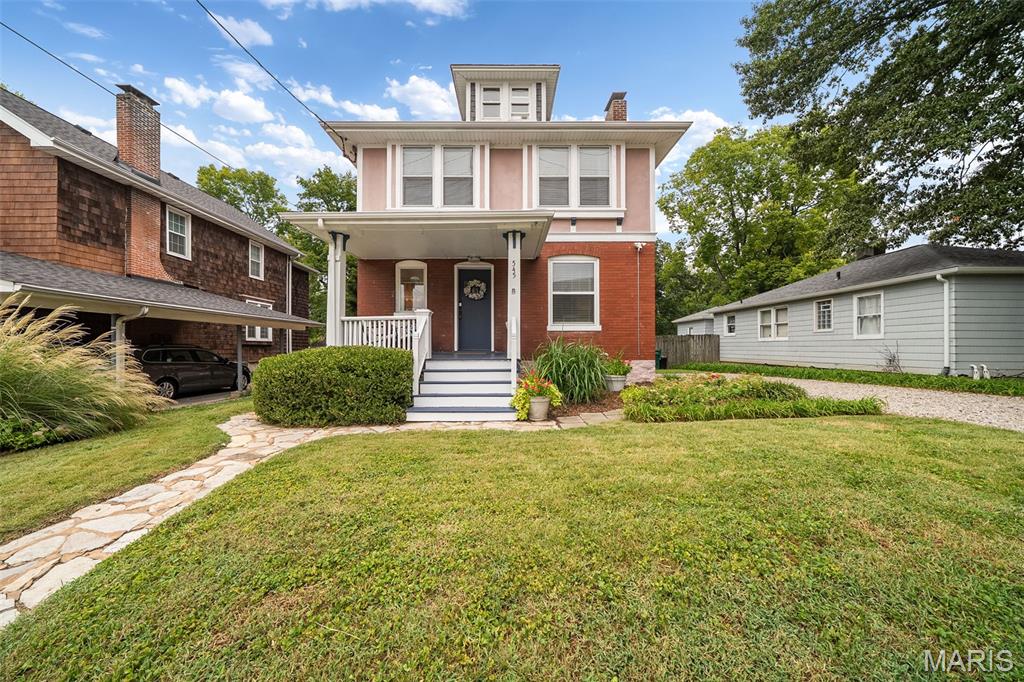
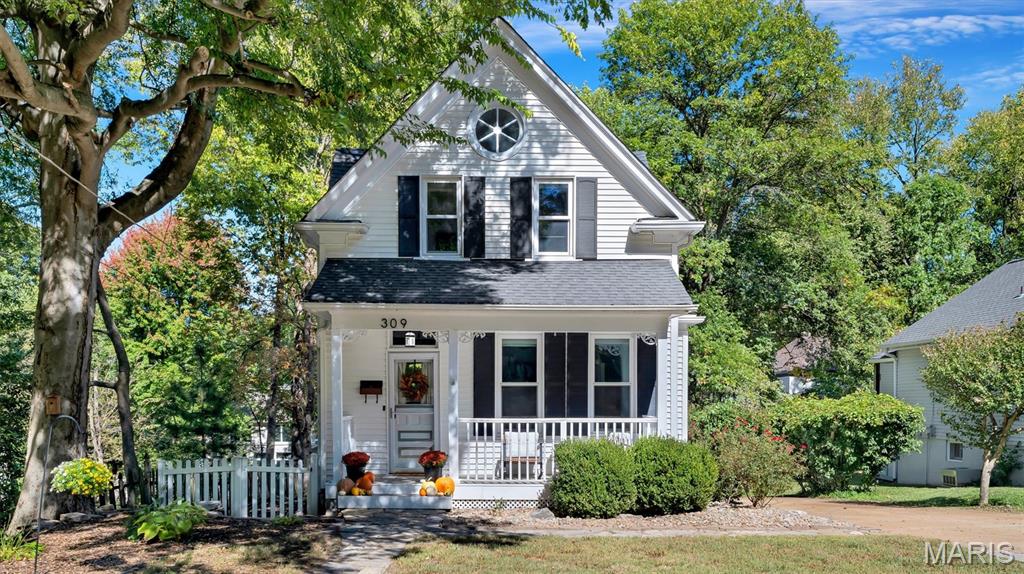
If you love houses with a story, this is your neighborhood. Webster Groves protects its character deliberately, through a Historic Preservation Commission and five designated local historic districts, and the result is one of the most architecturally rich streetscapes in the metro.
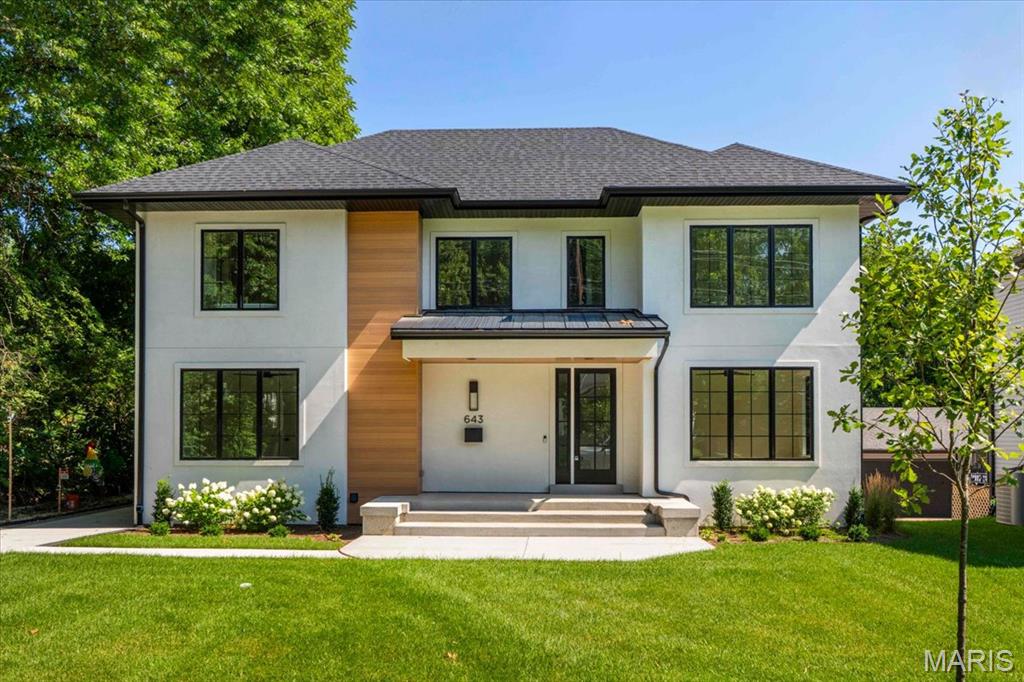
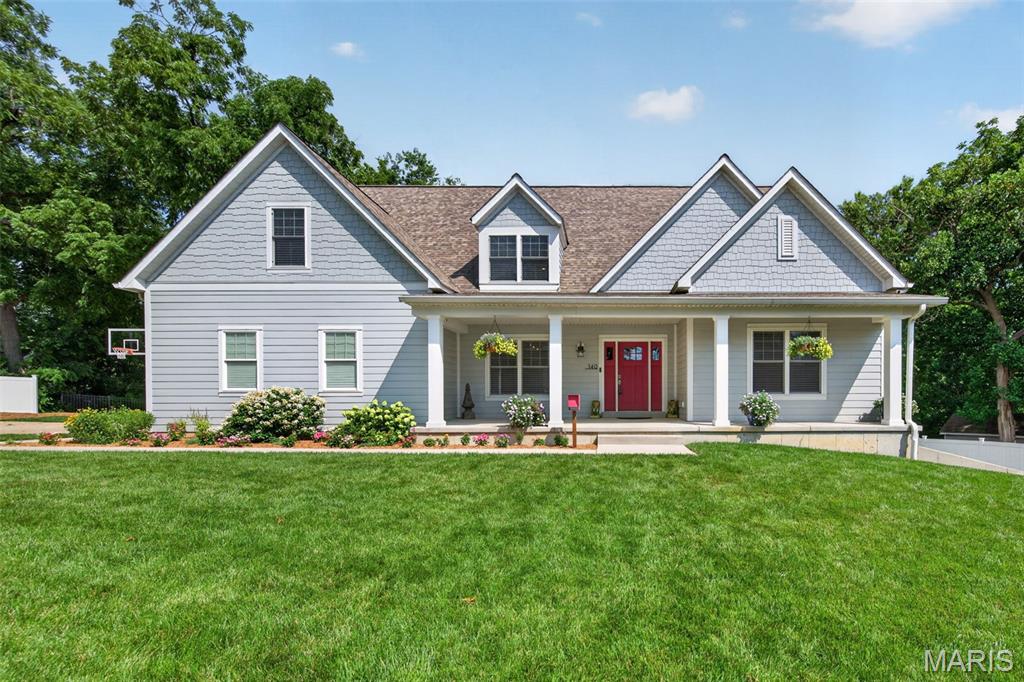
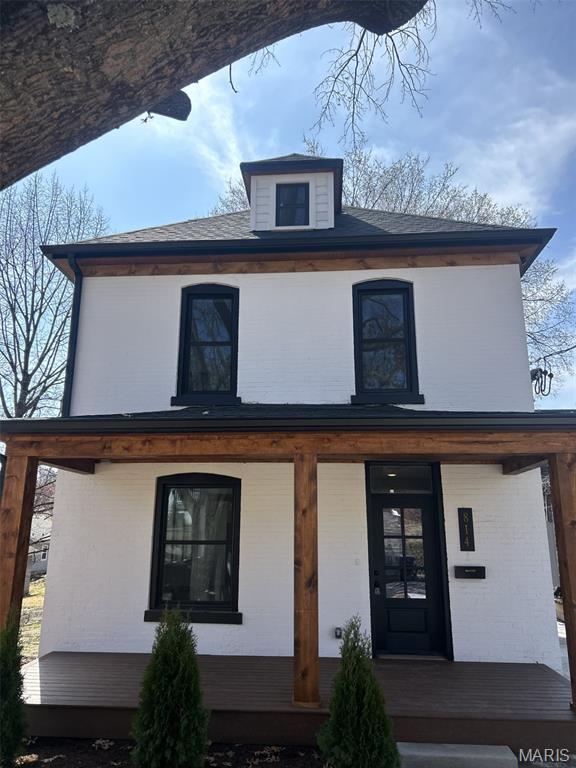
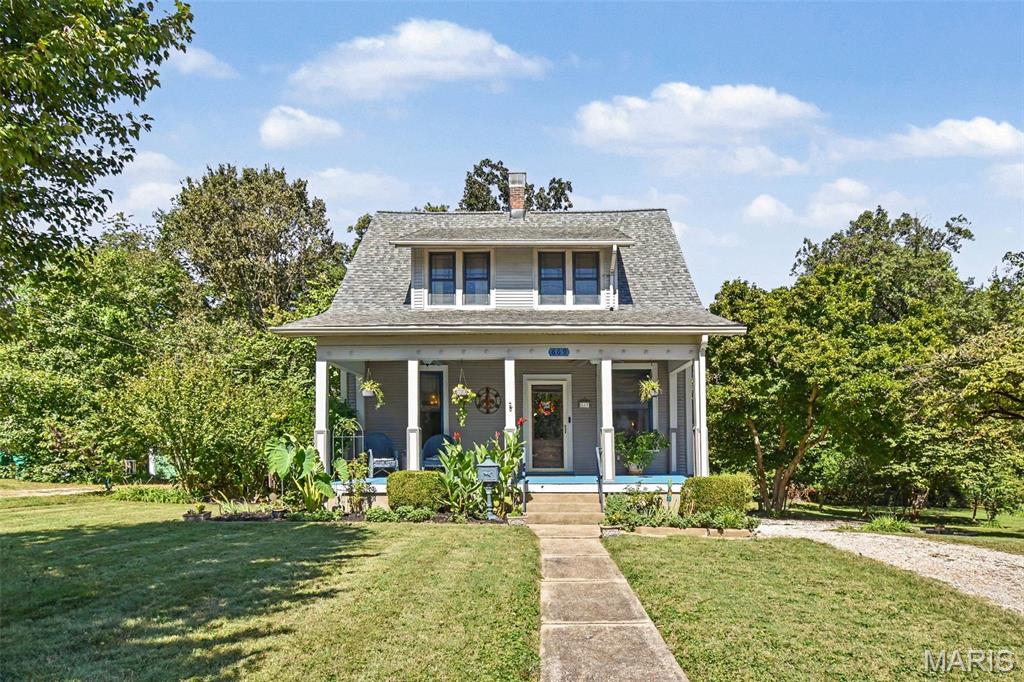
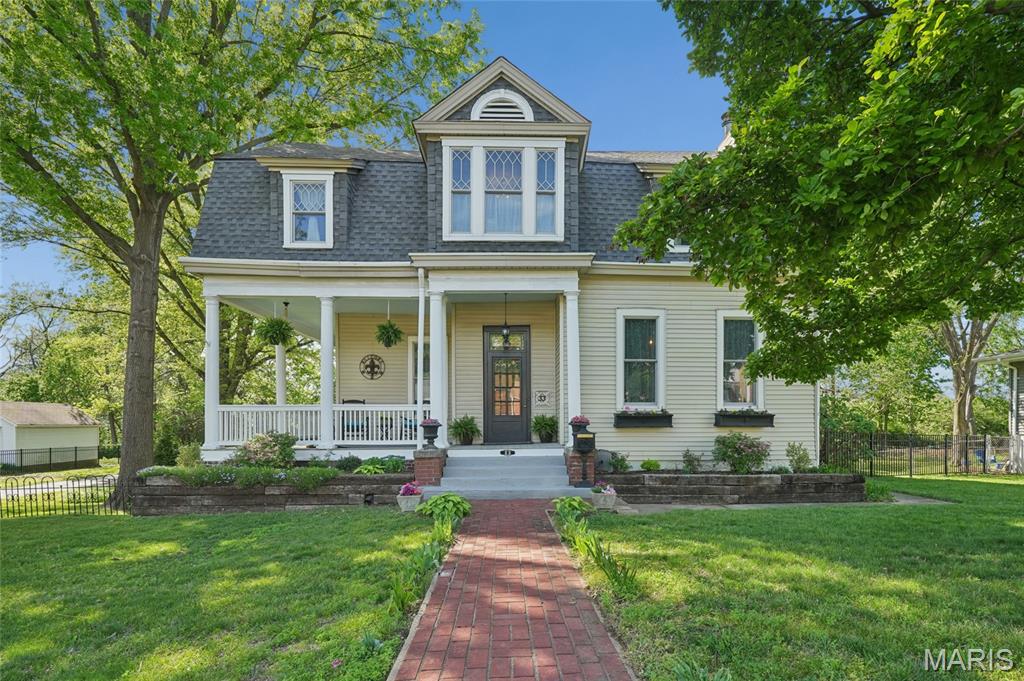
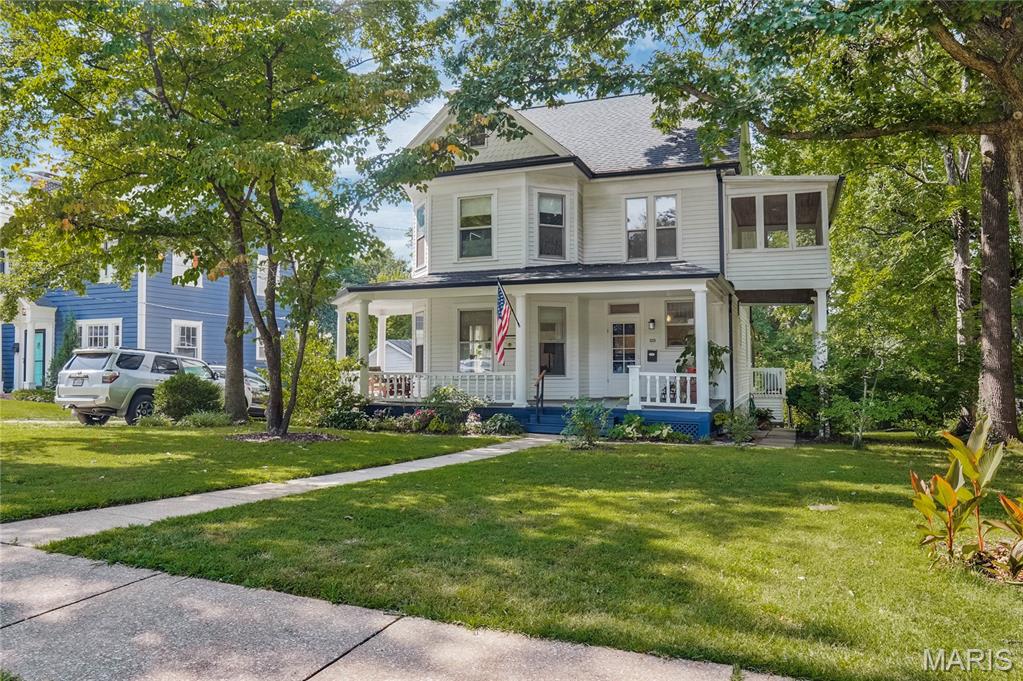
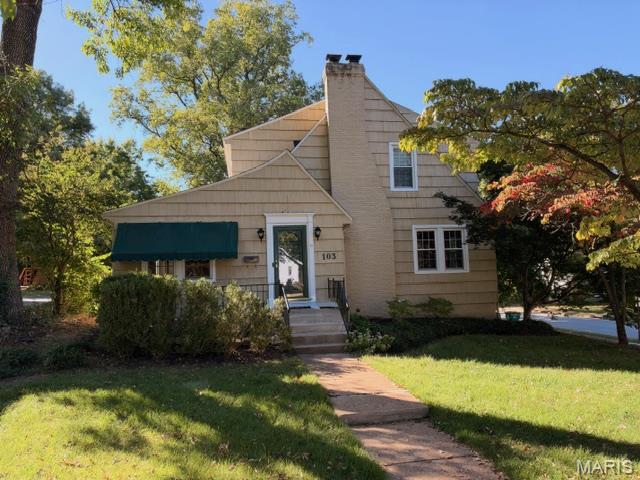
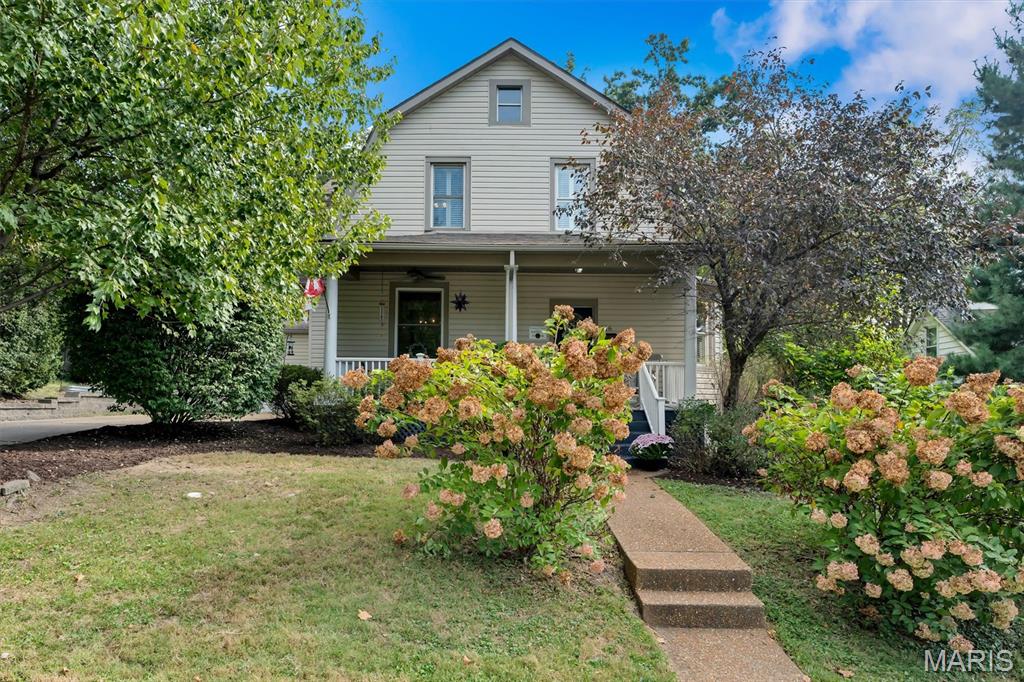
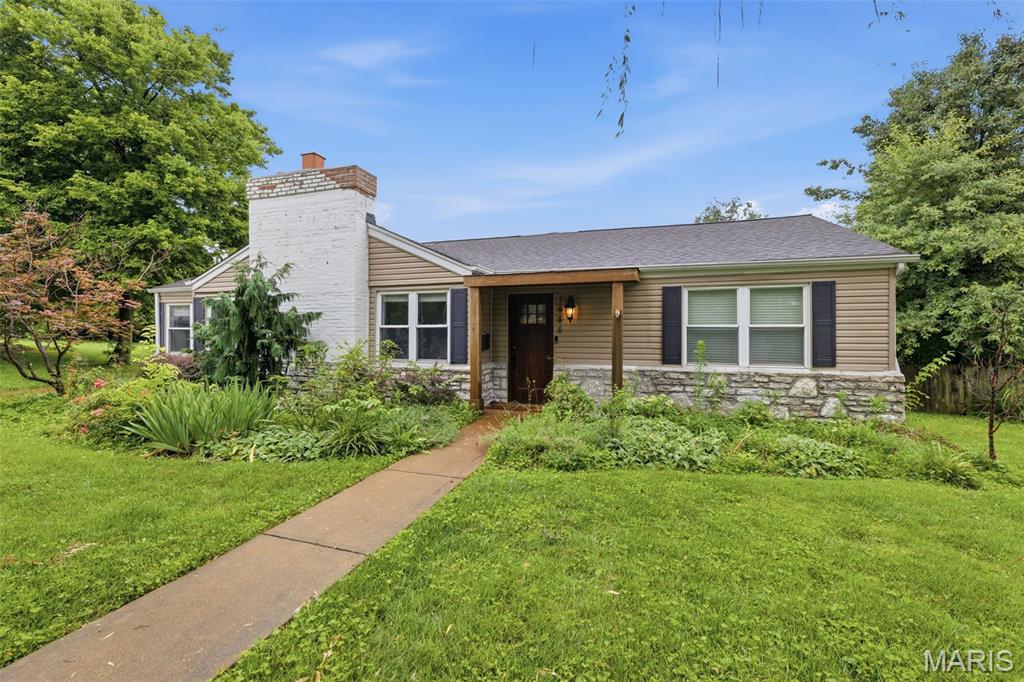
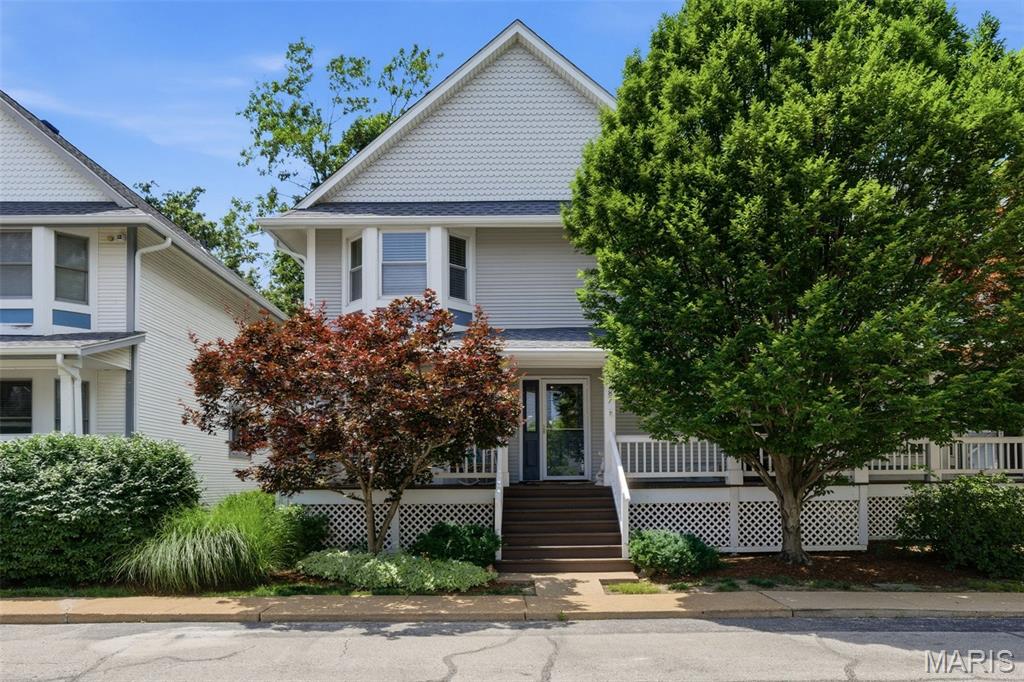
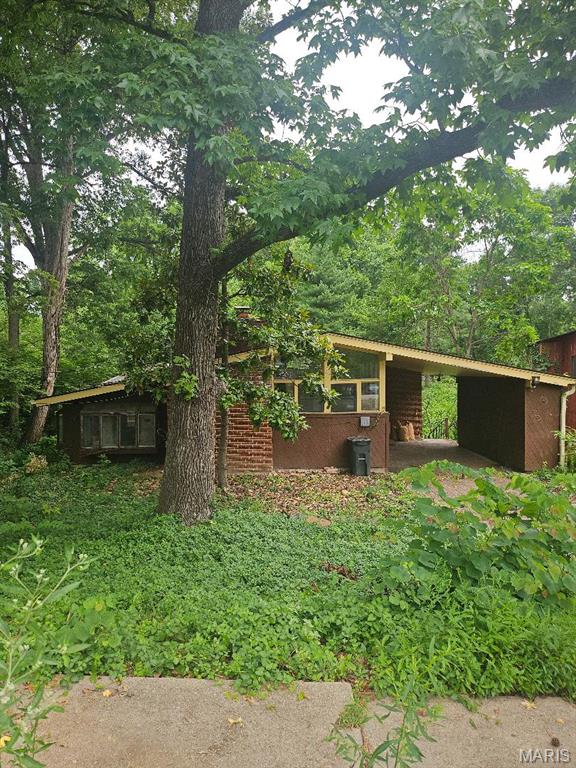
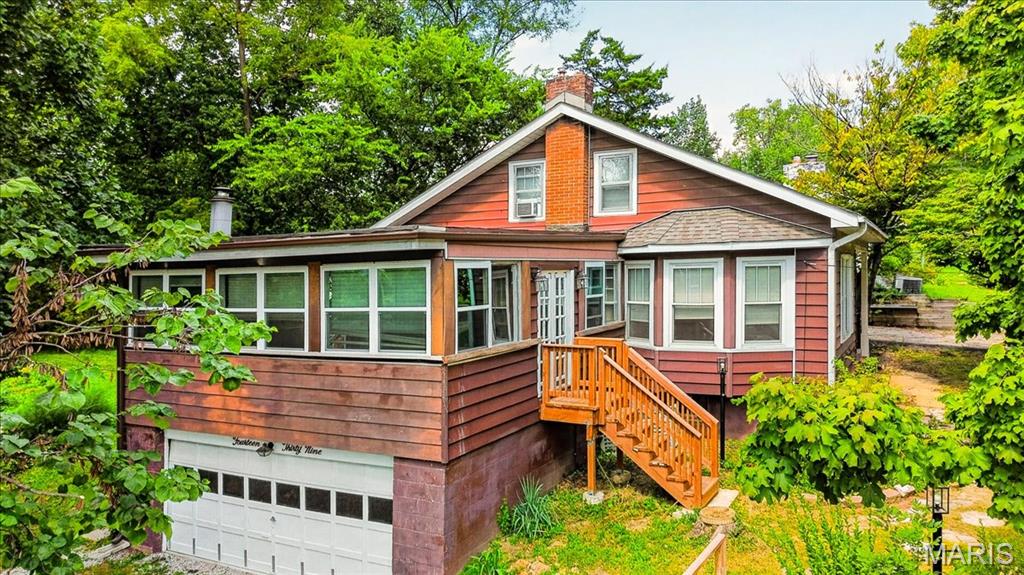
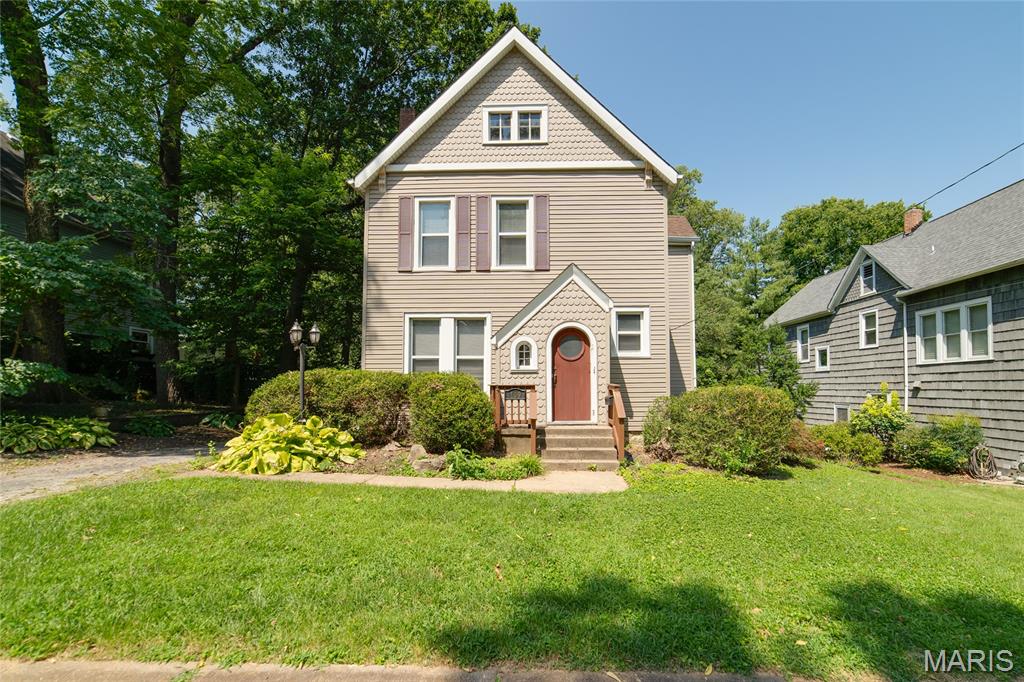
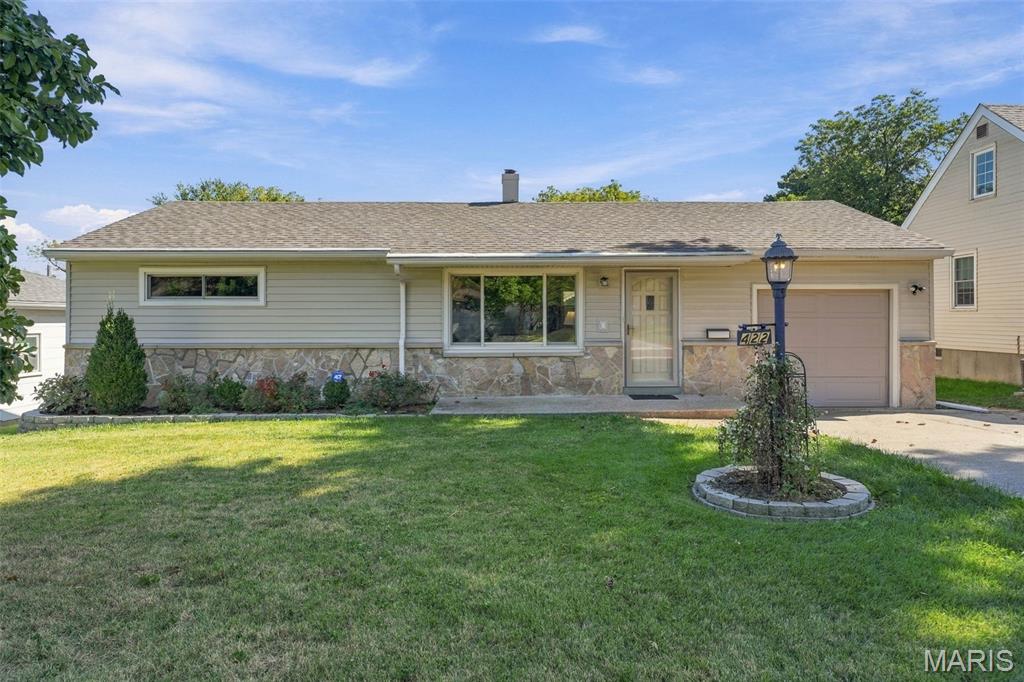
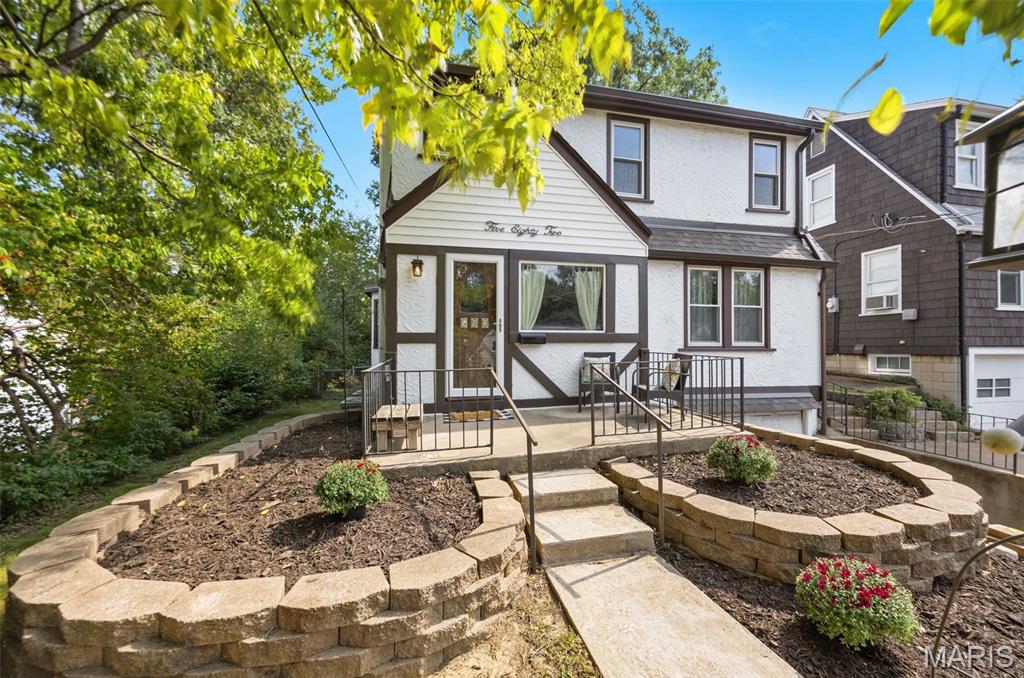
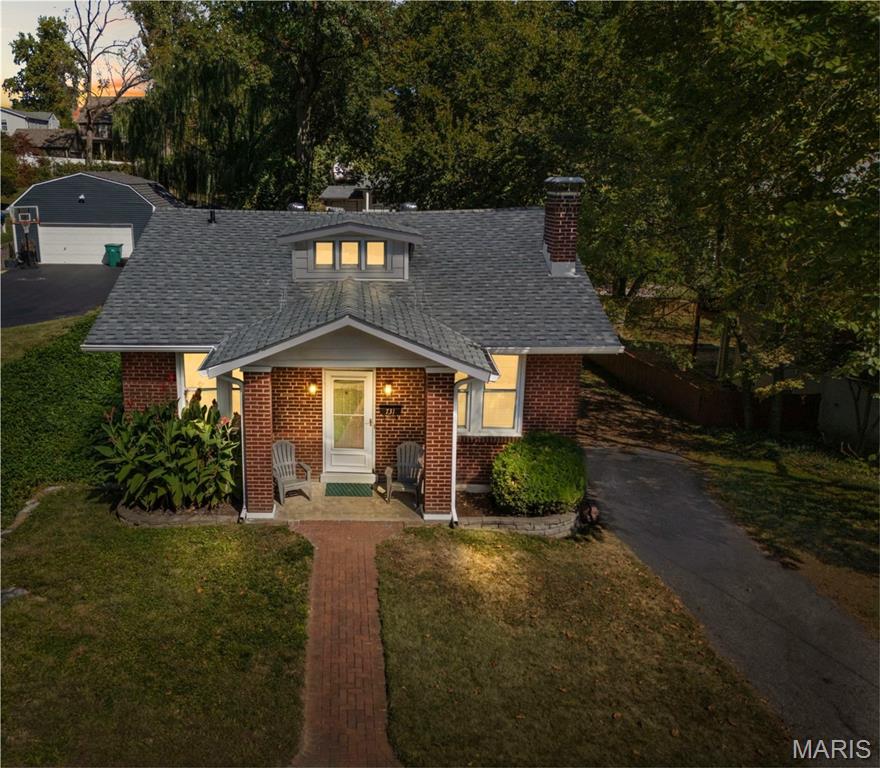
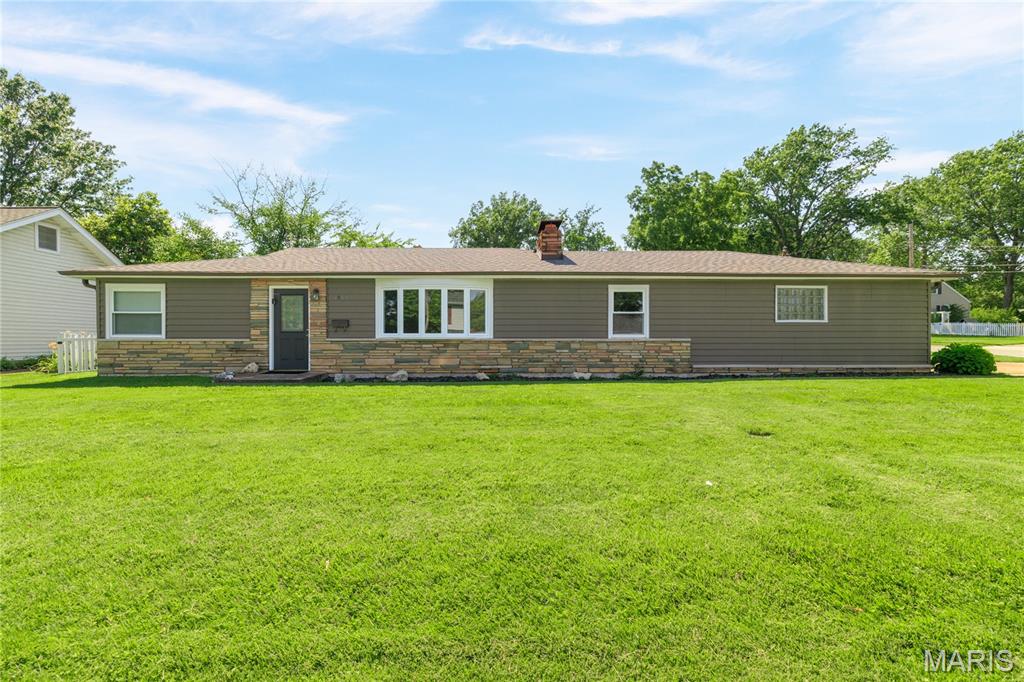
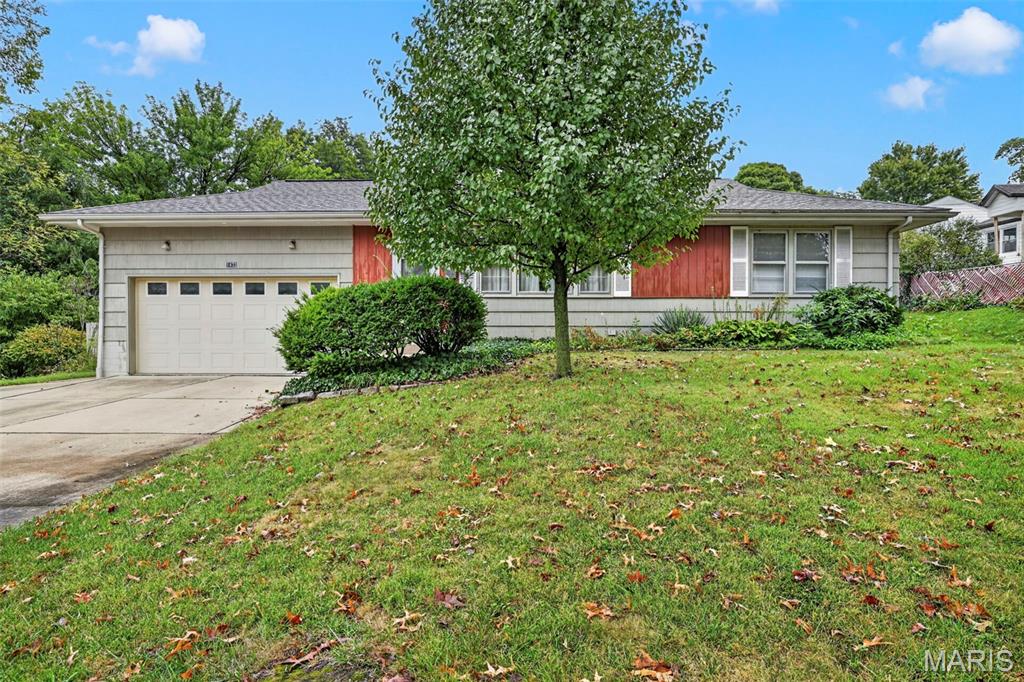
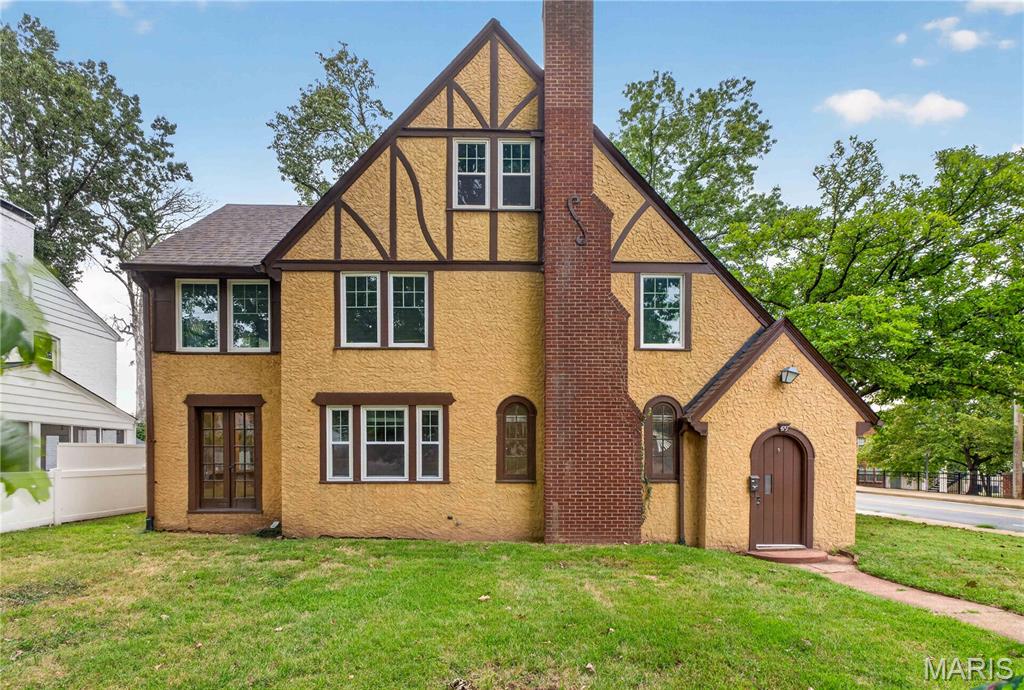
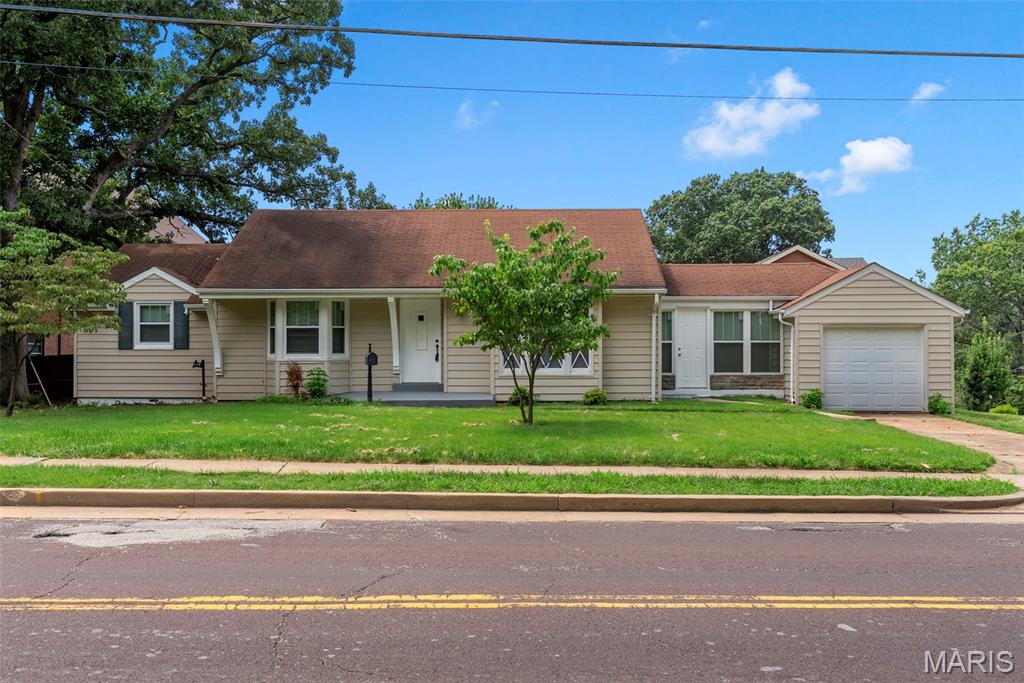
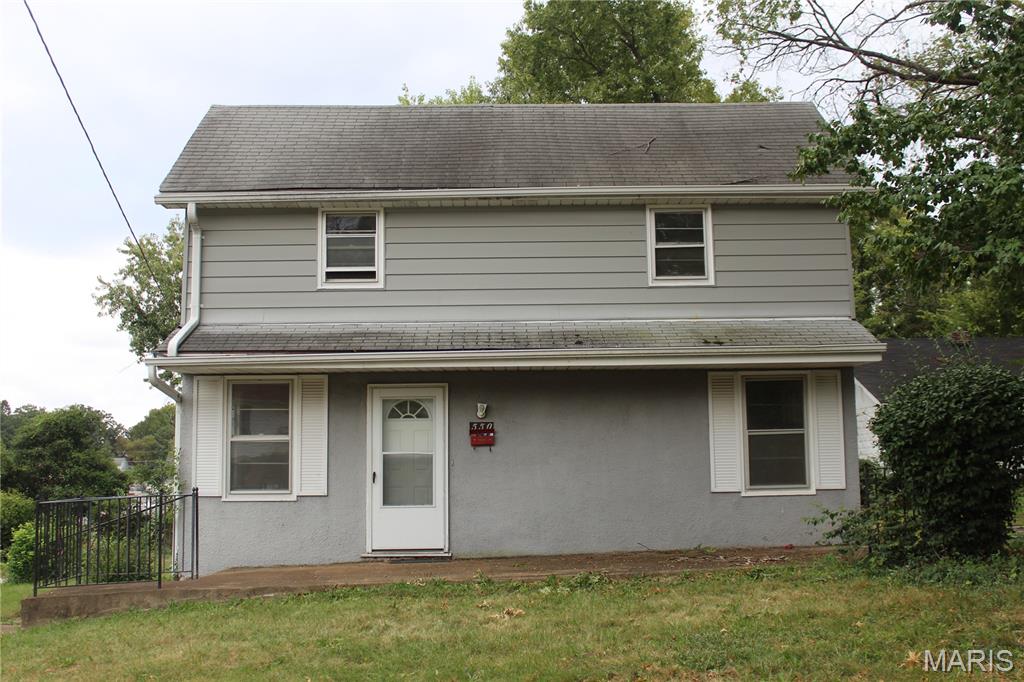
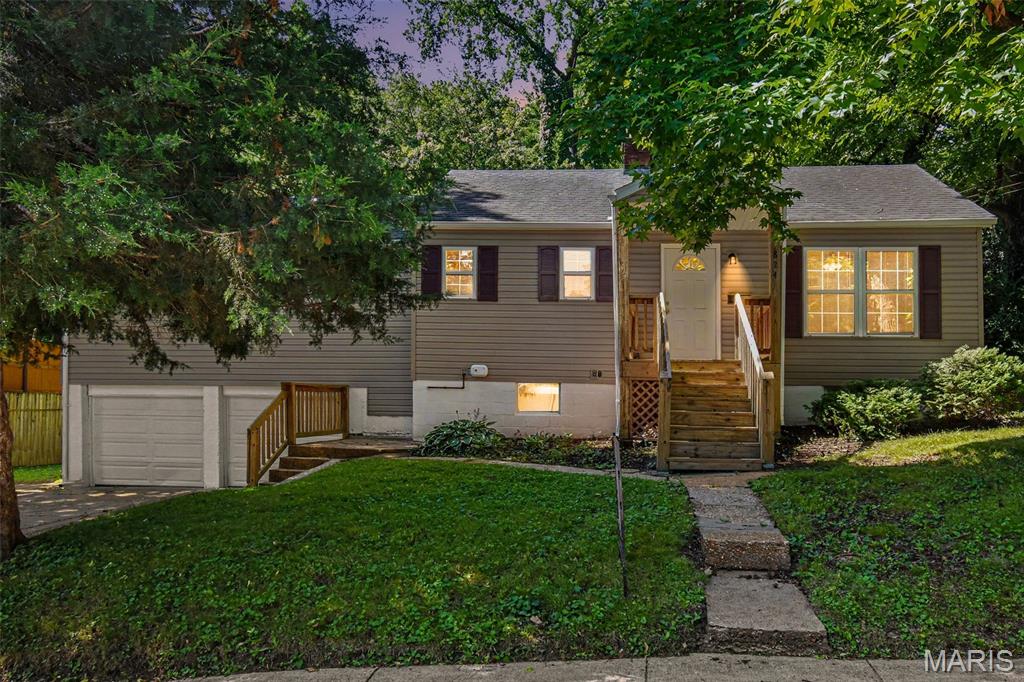
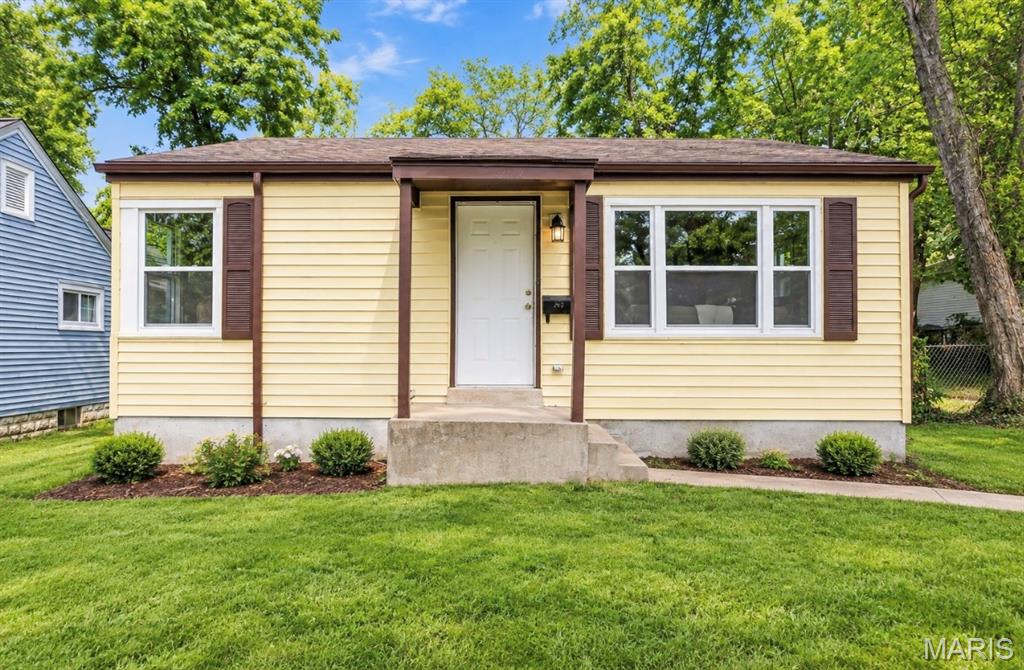
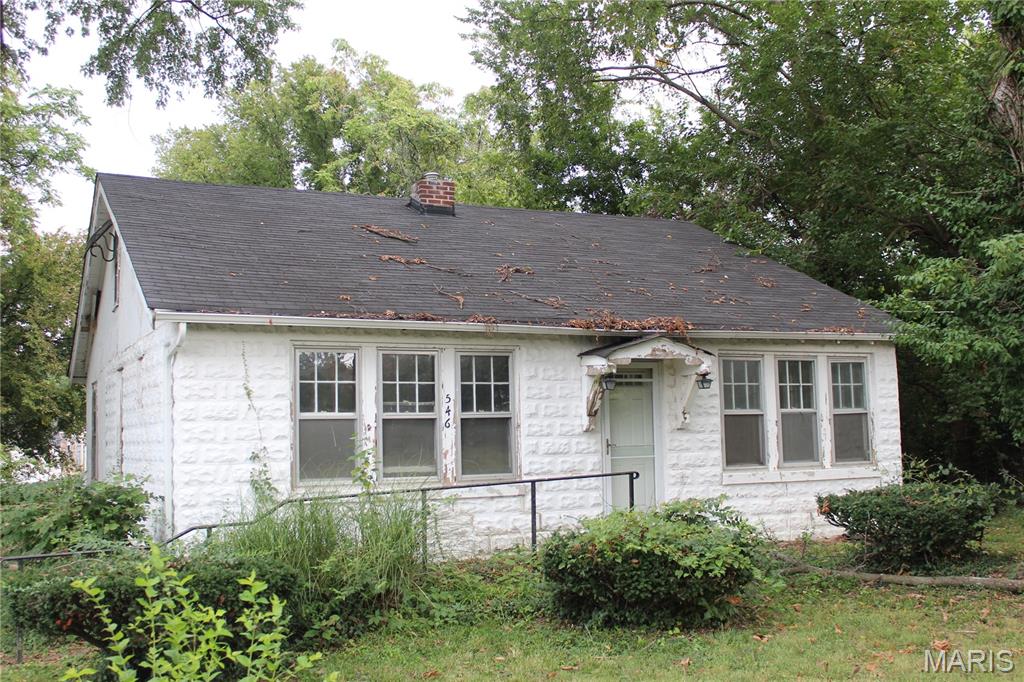
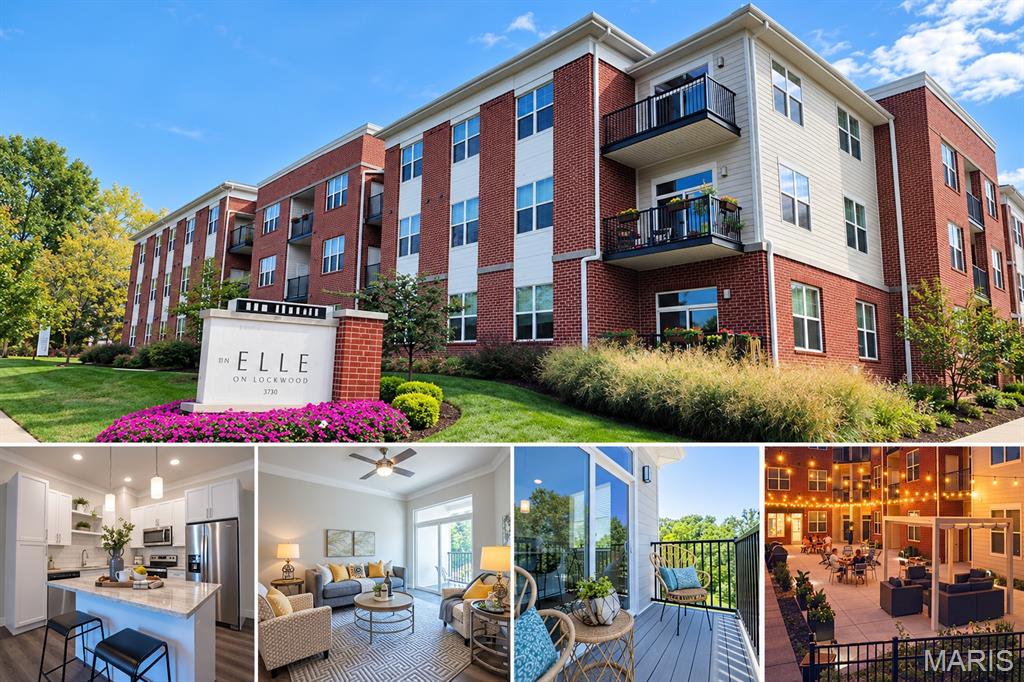
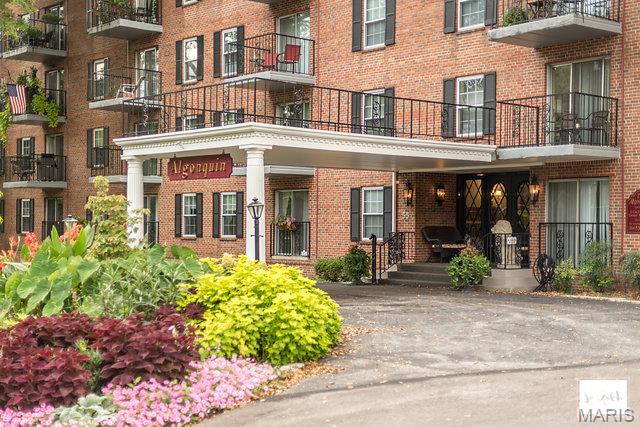
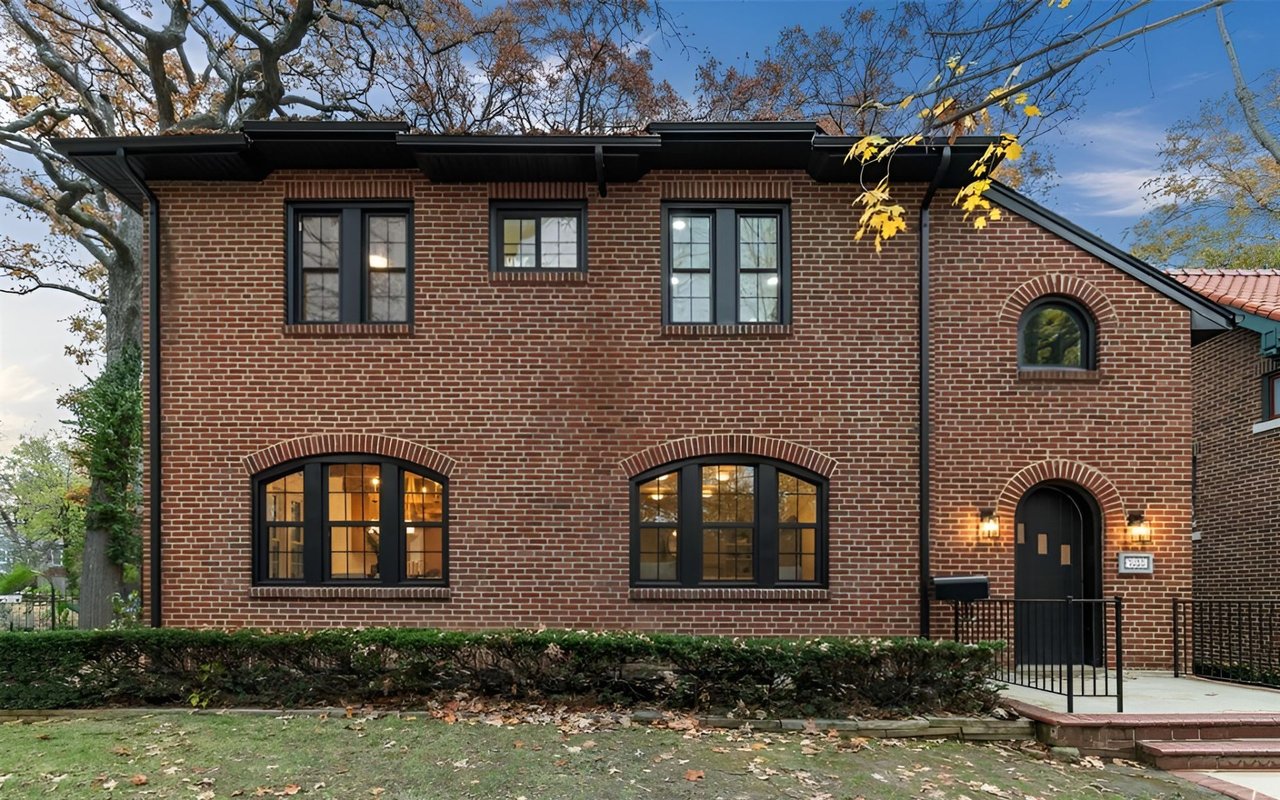
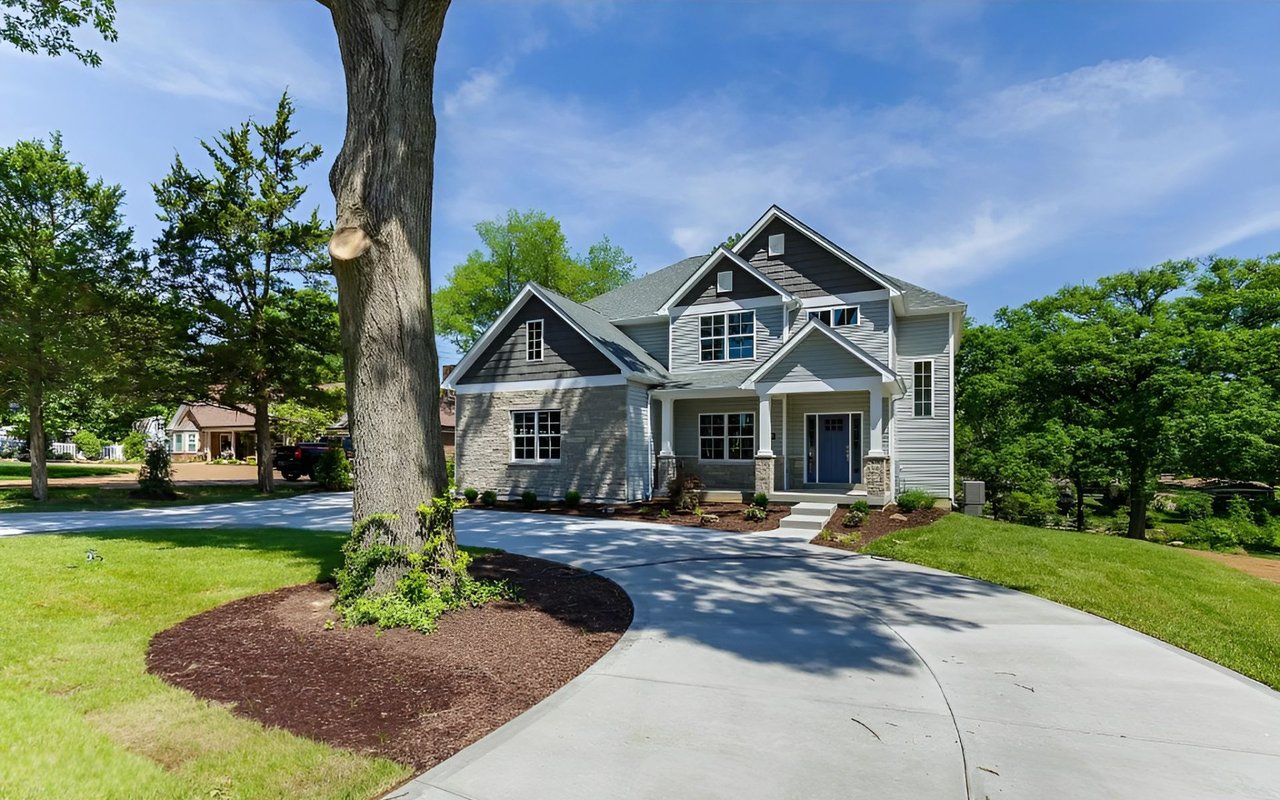
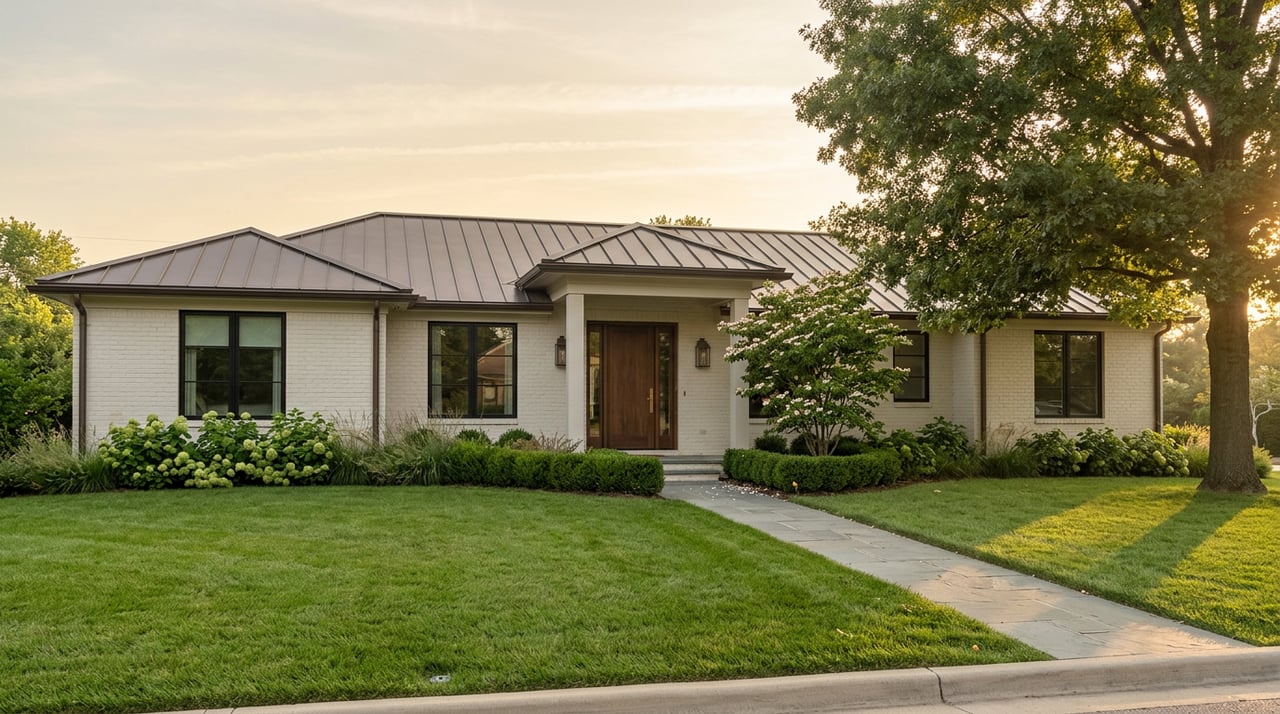
You'll find late-1800s Victorians and Queen Annes near Central Webster and Old Orchard, with wrap-around porches, steep gables, and original stained glass. Craftsman bungalows and Arts & Crafts homes from the 1910s through the 1930s fill neighborhoods like Tuxedo Park and Webster Park, prized for their wide porches, low rooflines, and built-in oak cabinetry. Tudors and Colonial Revivals from the 1920s and '40s bring brick, stone, and decorative half-timbering, while mid-century ranches and Cape Cods offer single-story living on larger lots. Because buildable bare land is nearly nonexistent, newer inventory usually arrives as custom infill or ambitious "pop-top" expansions on existing lots.
One charming detail worth knowing: homes that reach the century mark can earn an official Century Home plaque through the Webster Groves Historical Society—a small ritual that says a lot about how seriously this community takes its architectural heritage.
Schools
School quality is the single biggest engine behind property values here. The Webster Groves School District (WGSD) is consistently ranked among Missouri's best public systems, and that reputation drives demand in a very real, dollars-and-cents way.
On the public side, the district runs several well-regarded neighborhood elementary schools—Bristol, Clark, Avery, Edgar Road, and Hudson among them—feeding into Hixson Middle School and then Webster Groves High School, home of the Statesmen. WGHS is locally legendary for the Turkey Day Game against rival Kirkwood, the oldest high school football rivalry west of the Mississippi.
Families seeking private or parochial education are well served too. Holy Redeemer offers a K–8 Catholic parish school right in central Webster, and Nerinx Hall, an all-girls Catholic high school, sits within the city itself. A short drive opens up top-tier options including St. Louis University High (SLUH), Chaminade, Ursuline Academy, and two of the region's premier independent prep schools, John Burroughs and MICDS, both about 10 to 15 minutes north in Ladue. And anchoring it all is Webster University, whose campus lends the community a genuine collegiate energy.
Old Webster & Old Orchard: The Walkable Districts
A quick clarification for newcomers, since it comes up often: "The Loop" (the Delmar Loop) is actually about 15 minutes north in University City. Webster Groves has its own two historic Main Street districts, and honestly, they deliver a very similar local-first, independent-business feel.
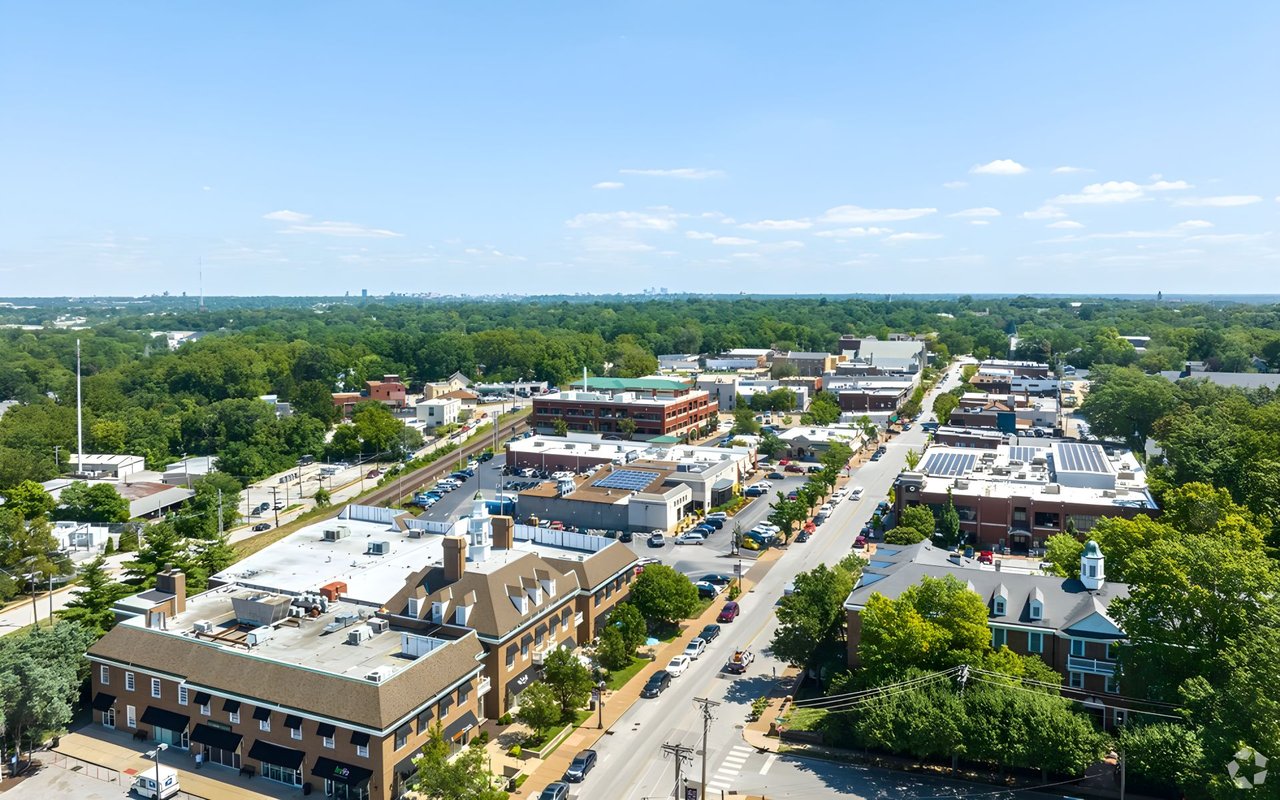
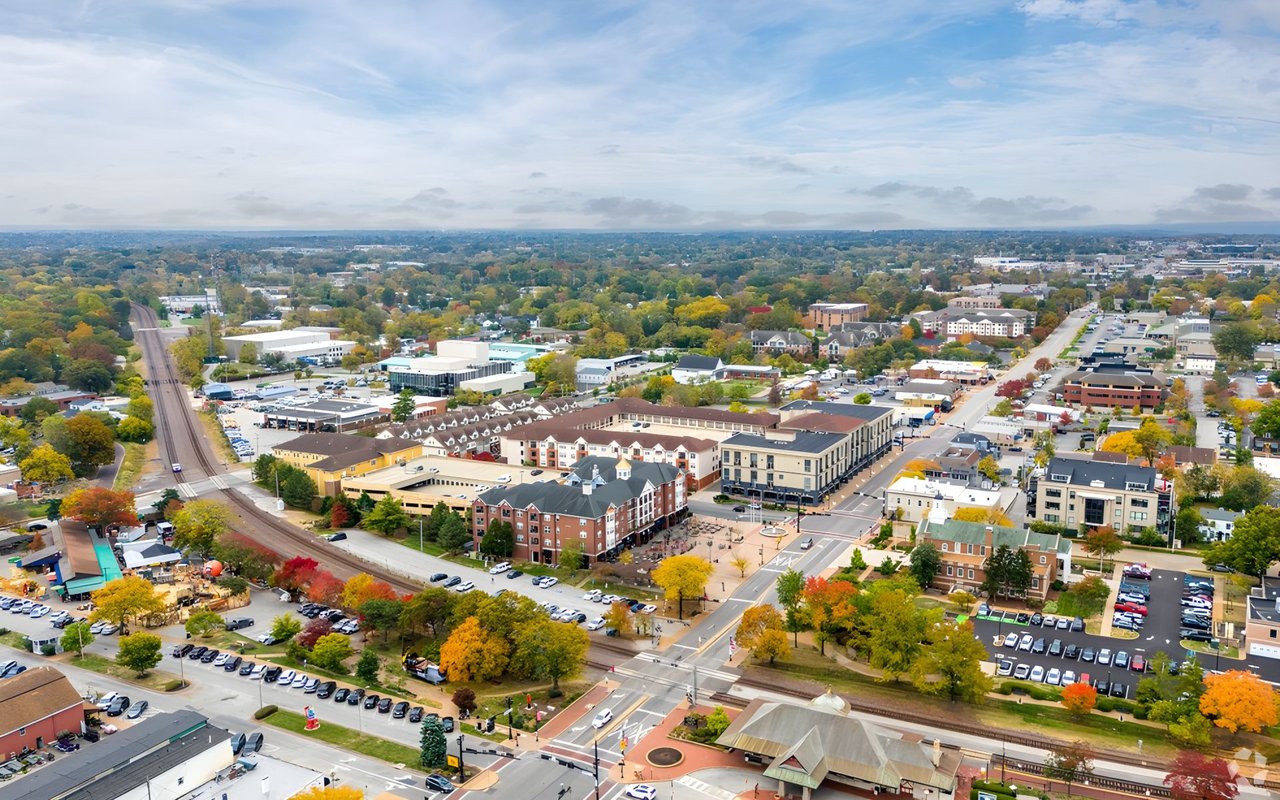
Old Webster, clustered around the intersection of Allen, Gore, and Lockwood Avenues, is the city's primary downtown. It grew up alongside the old Missouri Pacific rail line, and today it's tree-lined sidewalk shopping with brick crosswalks, historic storefronts, patio seating, and ample surface parking tucked behind the strip. This is where the art fairs and parades happen.
Old Orchard, just east along Big Bend Boulevard, leans a little more bohemian and culinary-forward—a dense, walkable pocket of award-winning restaurants, specialty bakeries, independent coffee shops, and home-goods boutiques. Together, these two districts are the reason so many residents describe Webster as a place where you can leave the car in the driveway all weekend.
Dining & Shopping
Webster Groves has quietly become one of the metro's genuine food destinations, and it did so almost entirely on the strength of independent operators rather than chains.
On the dining front, Olive + Oak is among the most acclaimed restaurants in St. Louis, serving elevated American fare and craft cocktails in a buzzy dining room. Balkan Treat Box has earned national attention for its wood-fired ćevapi, pide, and doner from James Beard–nominated chef Loryn Nalic. The Frisco Barroom occupies a restored historic building with a rooftop bar and house-cured meats, while Clover & The Bee handles cozy Italian-inspired breakfast-through-dinner, and Cyrano's Café remains a decades-old local institution famous for its decadent desserts.
For coffee, quick bites, and gourmet provisions, the lineup is just as strong: Bagel Union (from the Union Loafers team), Beignet All Day for New Orleans–style beignets and chicory coffee, Maypop Coffee & Garden Shop (espresso inside a working greenhouse), and The Annex, a market-café with curated wine, cheese, and sandwiches.
The independent retail runs deep too—The Novel Neighbor is a beloved bookstore and community hub, Civil Alchemy carries high-end home goods and apparel, Union Studio showcases handmade work from local artists, and the Webster Groves Bookshop has served the community since 1965.
Parks & Recreation
For a community this historically dense, Webster punches above its weight on green space, preserving more than 120 acres across 21 city parks. Blackburn Park is one of the largest, with baseball fields, tennis courts, a bird sanctuary, and walking paths. Deer Creek Park—known to every local kid as "Rocket Park" for its iconic rocket-ship playground—connects directly to the Deer Creek Greenway, part of the paved Great Rivers Greenway trail network for walking, running, and cycling. Larson Park and the adjacent Shady Creek Nature Sanctuary offer quiet wooded trails, and Ivory Crockett Park anchors local youth sports.
The city also operates a full Recreation Complex on Glendale Road that gives residents year-round options under one roof: the Benny Gordon Recreation Center for indoor fitness, an Aquatic Center with a zero-depth pool and water slides, a year-round Ice Arena with public skating and youth hockey, and an Action Park with a skate park plus lighted tennis and pickleball courts. It's the kind of municipal amenity package that quietly justifies the tax bill.
Webster University & the Arts
Here's where Webster Groves genuinely surprises people. This small suburb functions as a major performing-arts epicenter for the entire St. Louis region, and it's all anchored by Webster University, a private global institution founded in 1915.
At the heart of it is the Loretto-Hilton Center for the Performing Arts on campus, which houses two nationally significant companies. The Repertory Theatre of St. Louis ("The Rep") is the region's premier professional LORT theater, drawing national talent for its mainstage seasons. Sharing the same facility, Opera Theatre of Saint Louis stages an internationally renowned spring festival, performing operas in English backed by members of the St. Louis Symphony Orchestra. And the university's Sargent Conservatory of Theatre Arts ranks among the top undergraduate drama programs in the country, with students training alongside those working professionals—which keeps a constant current of young artistic energy running through the neighborhood.
Beyond the university, the Theatre Guild of Webster Groves has produced community theater on Theatre Lane since 1927, and the city regularly transforms its downtown into open-air performance space for events like the Old Webster Jazz & Blues Festival.
Community & Culture
If there's one thing that defines Webster Groves culturally, it's a fierce, hyper-local civic pride that feels almost small-town despite the metro setting. Block parties are routine, neighbors know each other, and some traditions stretch back more than a century.
The crown jewel is the Turkey Day Game, the Thanksgiving-morning football rivalry with cross-town Kirkwood that's been played since the early 1900s—the longest-running high school rivalry west of the Mississippi. The week around it is practically a civic holiday, complete with a chili cook-off (the Chili Bowl), hallway decorating contests, a massive pep rally and bonfire, and a Thanksgiving-morning Turkey Day Run 5K that draws thousands of alumni through the streets. The winning school takes home the Frisco Bell, a real locomotive bell donated by the Frisco Railroad in 1952.
The calendar stays full year-round: Community Days over the Fourth of July brings a parade, carnival, and fireworks at Blackburn Park; the Old Webster Jazz & Blues Festival takes over downtown each September; Make Music Day fills porches and driveways with acoustic sets midsummer; and a weekly Farmers Market in Old Webster doubles as a neighborhood social hub. These aren't manufactured events—they're the connective tissue of the community, and they're a big part of why people fall in love with the place.
Cost of Living & Property Taxes
Let's be straightforward: Webster Groves is not a budget play. Its cost-of-living index runs above state and national baselines, and the primary driver is real estate. Median home values in the $420,000–$450,000+ range sit roughly 40–50% above the broader St. Louis metro average. Everyday expenses—utilities, groceries, services—track closer to national norms, though the local dining and boutique scene leans mid-to-high end.
On property taxes, Missouri assesses residential property at 19% of market value, as set by the St. Louis County Assessor. Webster homeowners typically see an effective tax rate around 1.3% to 1.5% of market value per year. In practical terms, a $400,000 home carries an assessed value of $76,000 and an estimated annual tax bill of roughly $5,000 to $5,800—about $420 to $480 a month folded into escrow. The majority of that revenue (around 60–70%) flows directly to the school district, with the rest funding municipal services, the county library, parks, and emergency services. Combined local and state sales tax runs approximately 9.2%.
The honest bottom line: you pay more here, but that spending is what sustains the schools and amenities that keep demand—and resale values—consistently strong.
What to Know Before You Buy
This is the section I'd want a client to read twice, because Webster's greatest asset—its historic housing stock—comes with specific realities that a standard home inspection won't fully surface. Buying smart here means doing a little extra homework.
Sewer laterals come first. Older homes (pre-1970s) typically have clay or cast-iron main sewer laterals, and mature tree roots love to infiltrate or collapse them over time. A standard inspection is not enough—always order a dedicated video camera scope of the lateral line before closing. The good news is that Webster Groves runs a Residential Sanitary Sewer Lateral Repair Program that can offset a meaningful share of repair costs (up to $3,500 for a failure outside the foundation, or up to $8,000 if the line runs under the street), provided taxes are current and proper diagnostics are followed.
Historic oversight is real. The city has five local historic districts (such as Central Webster and Marshall Place). If your home falls within one, exterior changes visible from the street—window replacements, porch work, additions, major siding changes—require a Certificate of Appropriateness from the Historic Preservation Commission. Even outside those districts, major additions and new construction go through Architectural Review Board approval to ensure the design fits the streetscape. None of this is a dealbreaker; it just requires planning.
Budget for the mechanicals of an older home. Houses built before 1950 may still have knob-and-tube wiring or ungrounded outlets, and lenders or insurers often require an electrical panel upgrade to 150+ amp service. Original galvanized supply lines corrode and lose pressure, so many buyers plan to move to copper or PEX. And single-pane wood windows paired with uninsulated lath-and-plaster walls mean higher winter utility bills unless a prior owner already retrofitted insulation. Knowing these items upfront lets you price them into your offer rather than discover them after move-in.
Who Webster Groves Is Right For
Webster Groves isn't a cookie-cutter suburb, and it doesn't try to be. It rewards buyers who value community, character, and long-term stability over turnkey sprawl.
Families with school-aged kids are the classic fit—drawn by the top-ranked elementary schools and a tight-knit high school culture built around sports and the arts, and by a lifestyle of bike rides to the public pool, Little League at Blackburn Park, and deep-rooted traditions like the Fourth of July festival and Turkey Day week.
Working and hybrid professionals love the 15-to-20-minute reach to downtown or Clayton, the quick I-44/I-64 access, and the ability to take a morning meeting at Maypop or a client dinner at Olive + Oak without ever crossing the metro.
Downsizers and empty nesters gravitate to the storybook Cape Cods, Craftsman bungalows, and low-maintenance ranches within walking distance of the shops—trading lawn care for a life where bookstores, bakeries, university lectures, and a night at The Rep are just a few blocks away.
To make the decision concrete:
Webster Groves is a strong fit if… | Look elsewhere if… |
|---|
You value historic architecture and mature tree canopy | You want a brand-new subdivision with an HOA pool and 3-car garage |
You prefer walkable, local-first shopping over big-box strips | Your budget for a single-family home is firmly under $300,000 |
You want top public schools without moving to the outer ring | You want modern open-concept layouts without retrofitting older homes |
Start Your Webster Groves Search
Buying or selling in a market this competitive and this nuanced is where local expertise earns its keep—and that's exactly what the team at Patton Properties brings to Webster Groves and the surrounding St. Louis communities. Led by Ryan Patton, a licensed real estate broker in both Missouri and Illinois and a Washington University graduate with a background in business marketing and management, the group pairs deep local knowledge with a genuinely client-first, technology-forward approach. Ryan also owns Innovia Company, a custom homebuilding firm—an especially valuable perspective in a market like Webster's, where understanding older construction, renovation potential, and infill opportunity can make or break a deal.
Whether you're navigating a multiple-offer situation on a turnkey bungalow, scoping the sewer lateral on a century home, or preparing to list, the Patton Properties team is ready to be a resource, not a hard sell. Reach out to Ryan directly at [email protected] or (314) 821-8900, or stop by the Kirkwood office at 338 S Kirkwood Rd, Ste 105, Kirkwood, MO 63122. When you're ready to explore what's currently available, they'd be glad to help you find your place in Webster Groves.