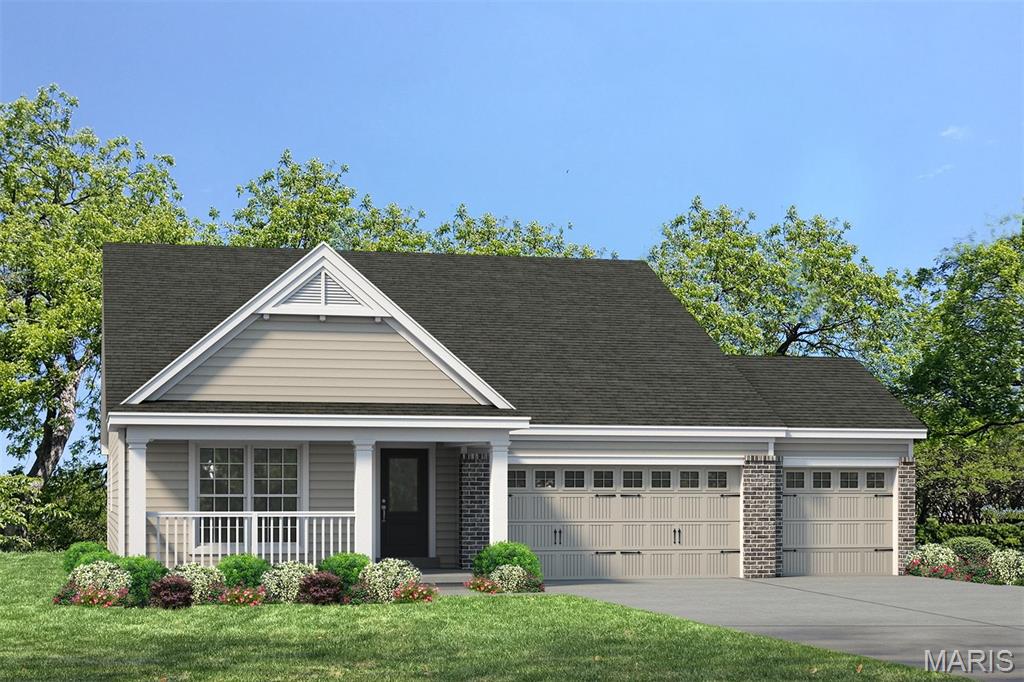
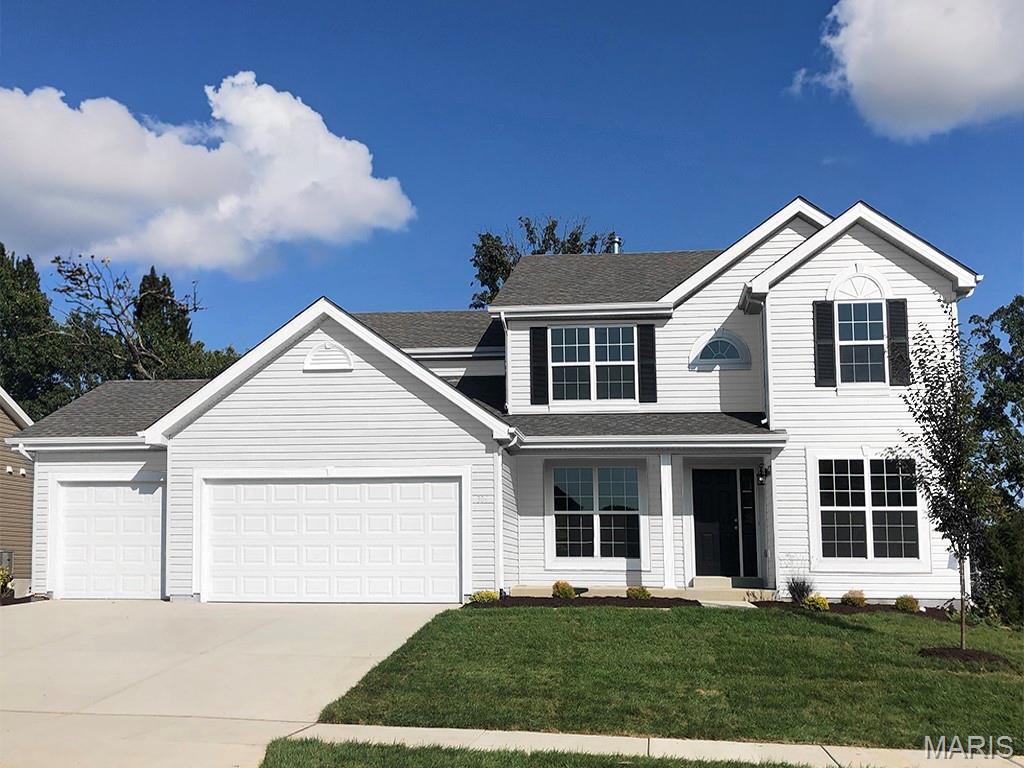
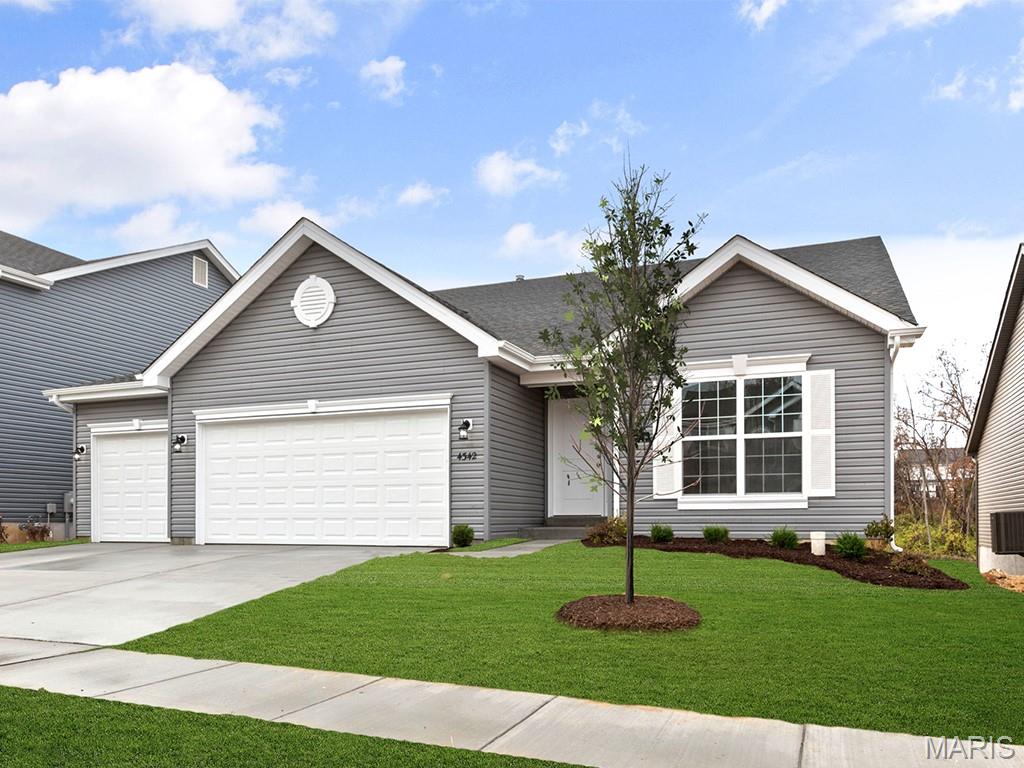
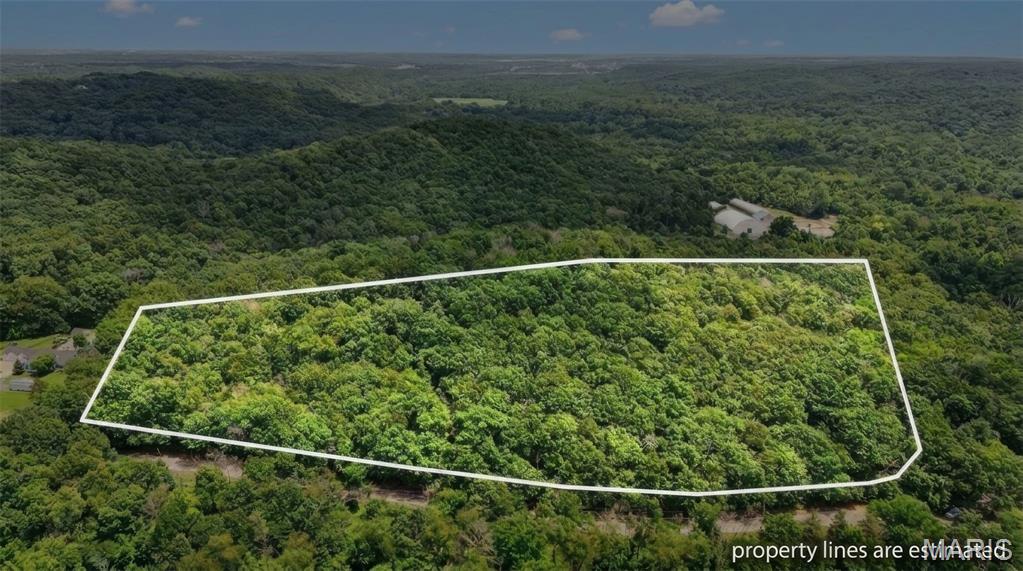
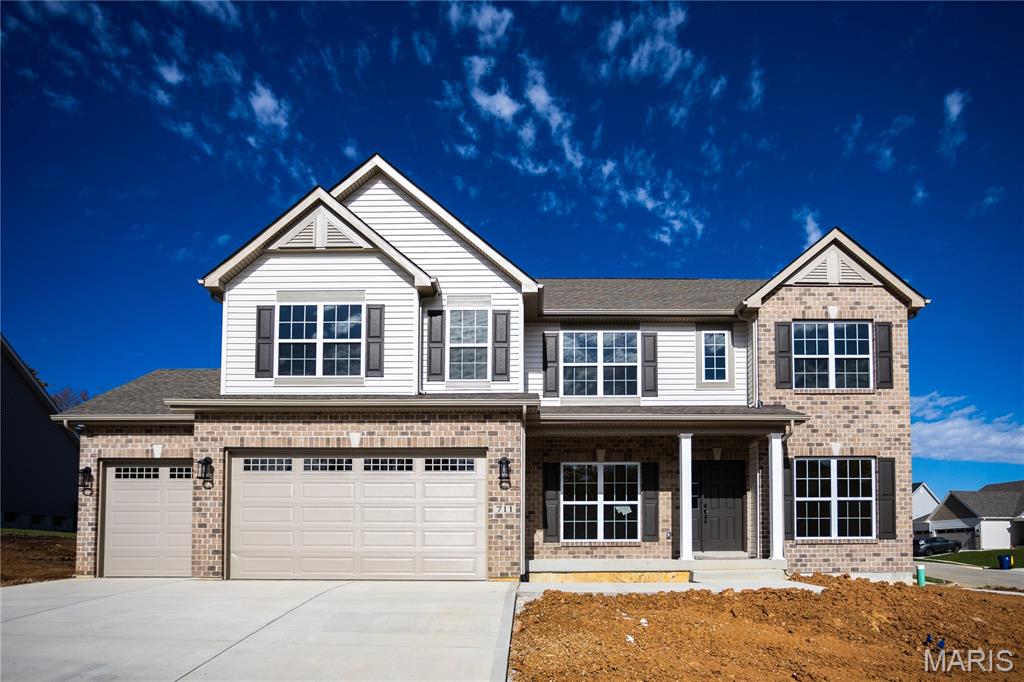
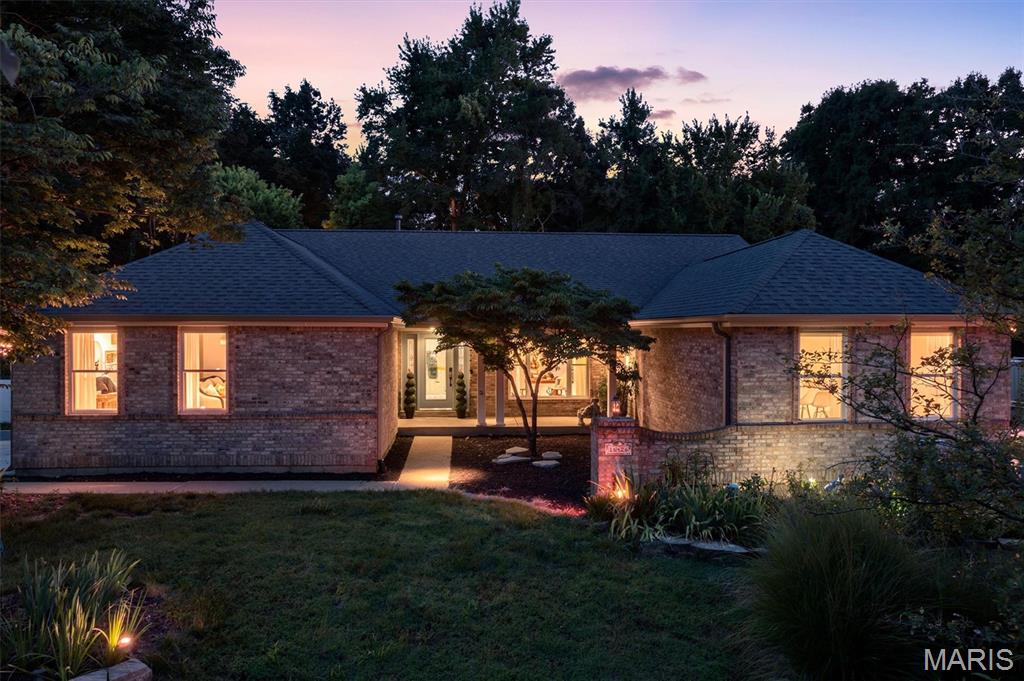
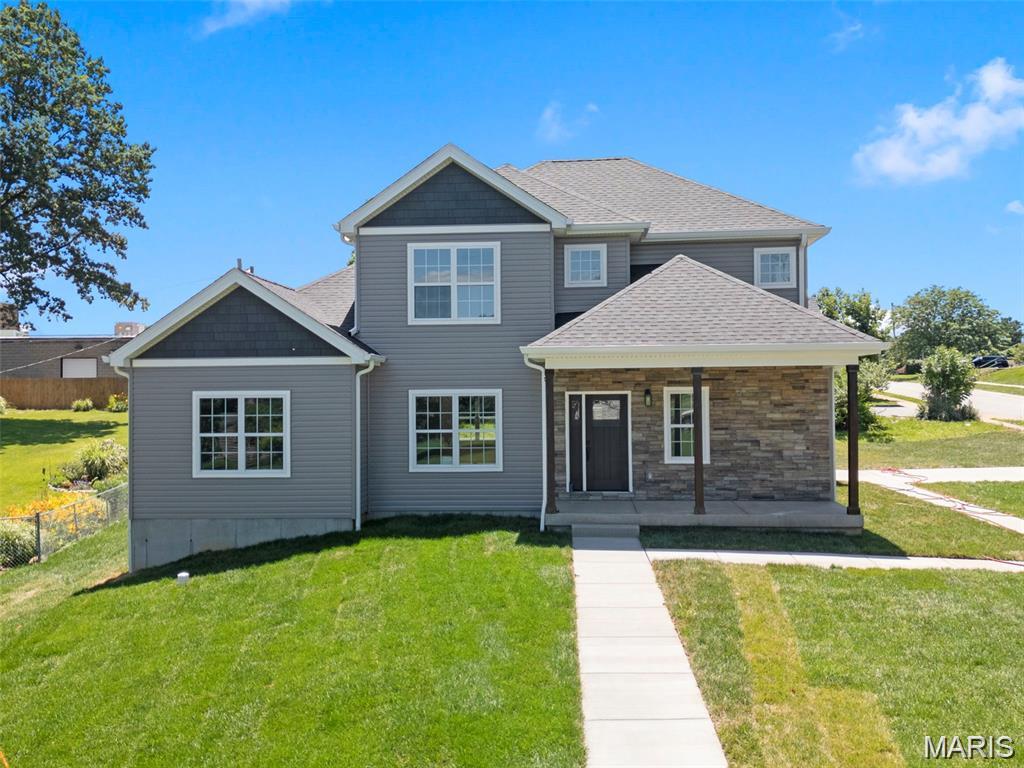
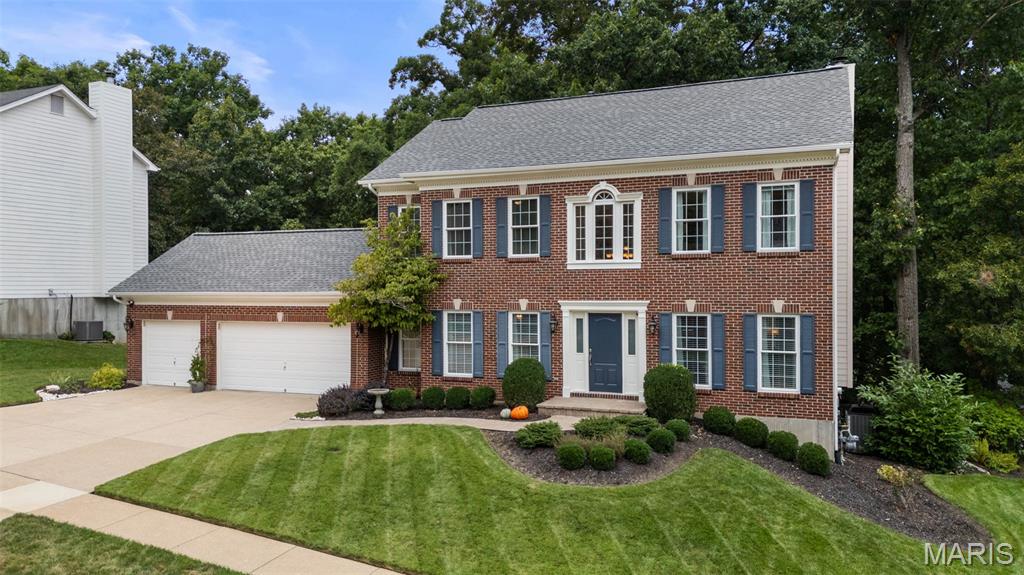
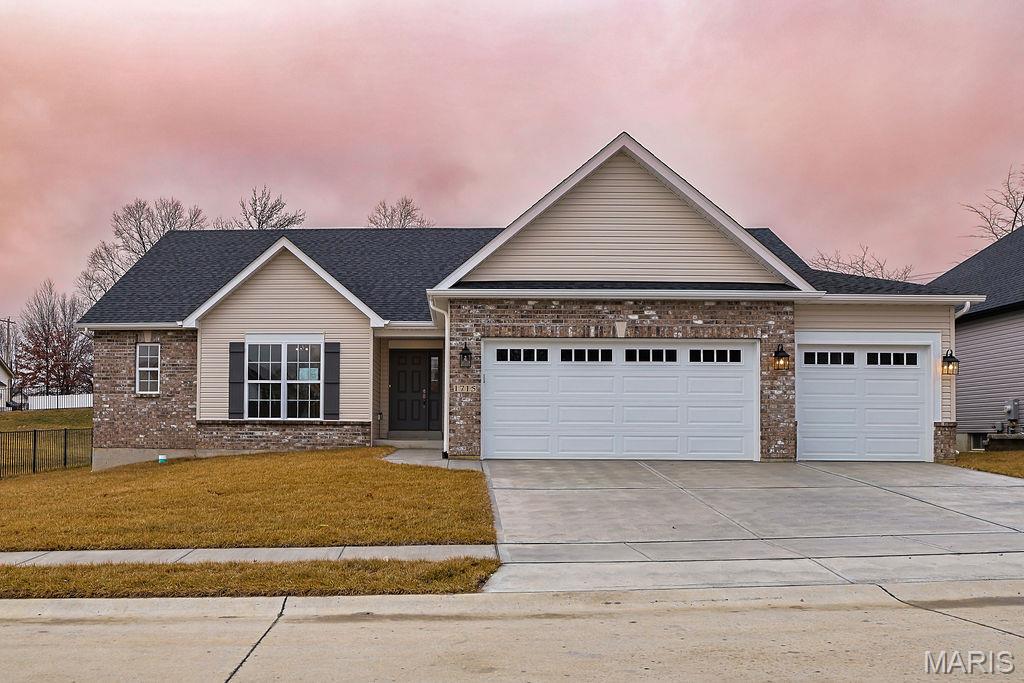
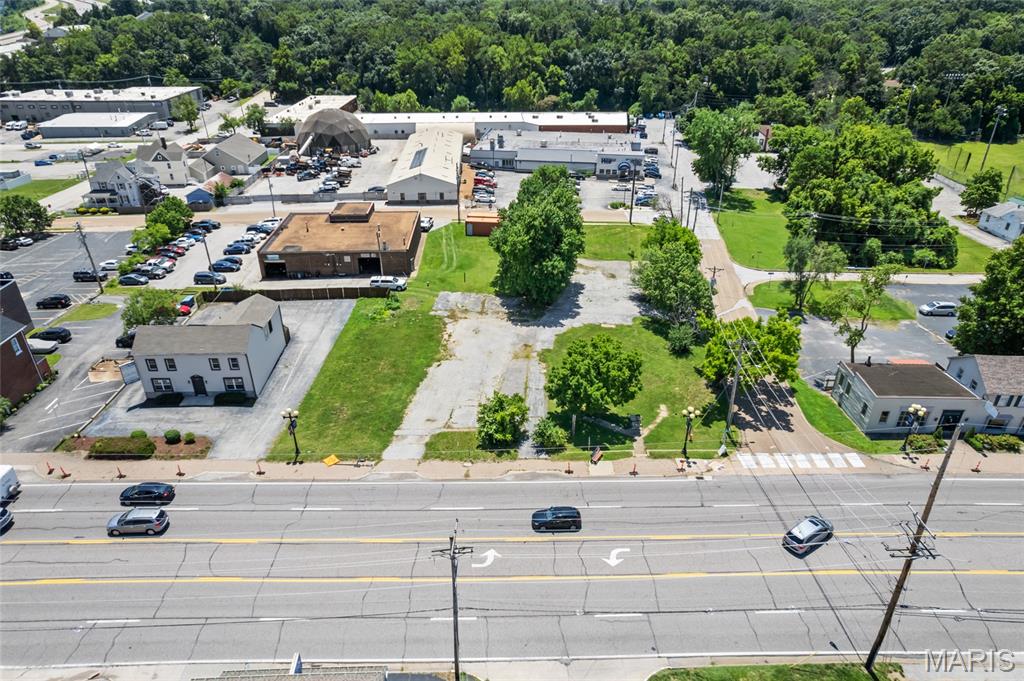
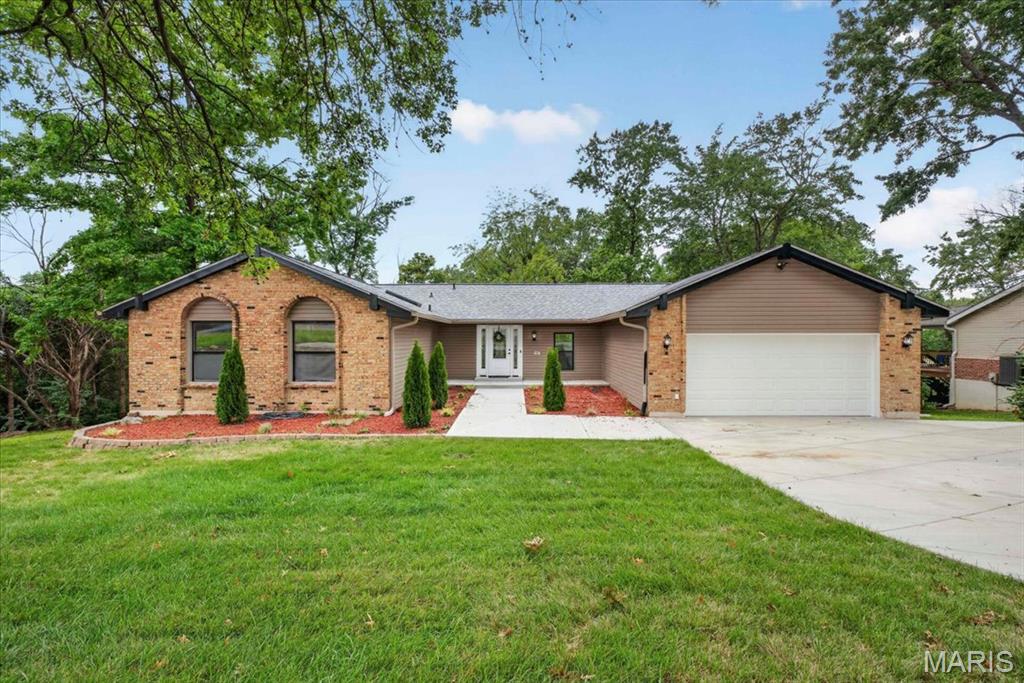
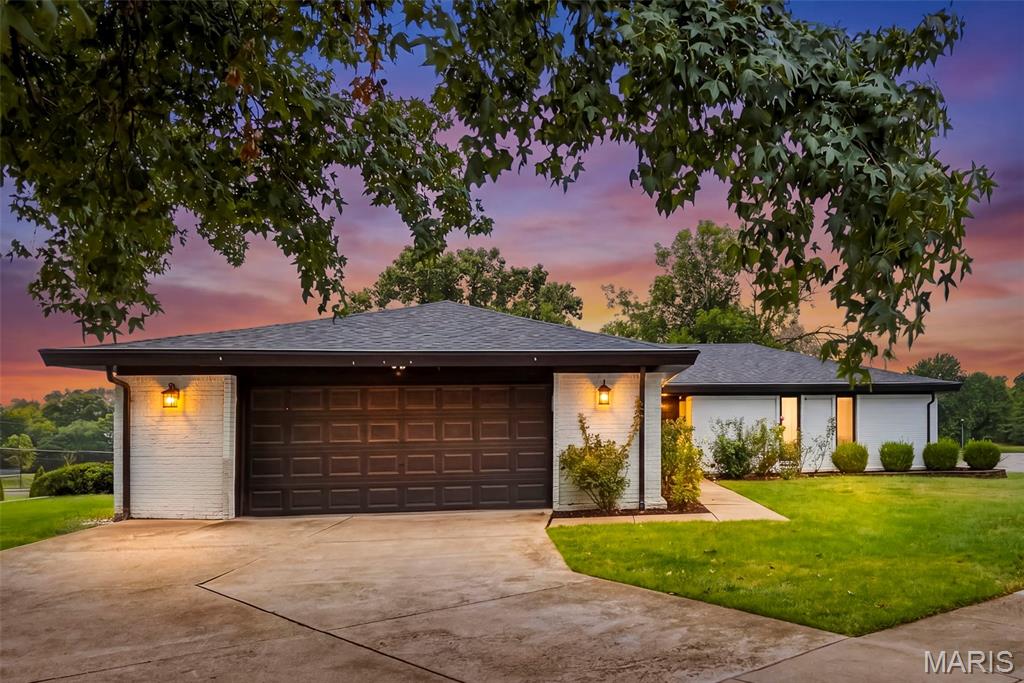
92,571 people live in Ballwin, where the median age is 41.8 and the average individual income is $56,049. Data provided by the U.S. Census Bureau.
Total Population
Median Age
Population Density Population Density This is the number of people per square mile in a neighborhood.
Average individual Income
Ballwin is the kind of suburb people move to once and then stay in for twenty years. It sits about nine square miles into central-west St. Louis County, far enough from the city to feel genuinely residential, close enough that a drive to Clayton or the airport is a normal weekday errand rather than an expedition.
What makes Ballwin distinct within West County is the balance it strikes. Ladue and Town & Country offer prestige at a price point that rules out most buyers. Manchester and Ellisville offer affordability without quite the same amenity base. Ballwin lands in between: a city with two of Missouri's strongest public school districts running through it, an unusually deep municipal parks and recreation system, one of the lowest city property tax levies in St. Louis County, and a housing stock that runs from $300,000 mid-century ranches to custom estates along a golf course.
That combination has been recognized nationally — Money magazine has repeatedly named Ballwin among the best places to live in the United States — but the more telling indicator is local. Homes here go under contract in about a week. Buyers who wait to "think about it" over a weekend routinely lose the house.
This guide covers what you actually need to know: where Ballwin sits and how boundaries work, what the housing stock looks like subdivision by subdivision, how the Parkway/Rockwood school split affects your address search, what the market is doing right now, and the specific municipal and inspection requirements that catch out-of-town buyers off guard.
Ballwin is organized around Manchester Road — U.S. Route 100 — which runs east-west through the city and functions as both its commercial spine and its primary orientation point. If you know where you are on Manchester, you know where you are in Ballwin.
Who Ballwin borders. Town and Country and Chesterfield sit to the north. Manchester is directly east. Ellisville and unincorporated St. Louis County run along the south, toward Castlewood State Park and the Meramec River. Ellisville and Wildwood are to the west.
Those borders matter more here than in most suburbs, and not for scenic reasons. Ballwin's city limits do not match its postal boundaries — a point covered in detail in the buyer section below, and one worth flagging early because it affects which houses actually come with Ballwin municipal services.
Getting around. Commuting from Ballwin means reaching one of two highways: I-64/US-40 to the north or I-270 to the east. Neither is more than a few minutes from most Ballwin addresses, and Manchester Road itself serves as a viable surface-street alternative when the highways back up.
Destination | Distance | Typical Drive | Primary Route |
|---|---|---|---|
Downtown St. Louis | ~22 miles | 30–45 min | Manchester Rd to I-64 E |
Clayton (county seat, business hub) | ~14 miles | 20–30 min | I-64 E or Manchester Rd |
Chesterfield Valley | ~8 miles | 12–18 min | Clarkson Rd / Kehrs Mill Rd |
Lambert International Airport (STL) | ~22 miles | 25–35 min | I-270 N |
The Chesterfield Valley number is the one buyers tend to underestimate. A fifteen-minute drive puts you at the Valley's corporate offices, big-box retail, and medical campuses — which is why a meaningful share of Ballwin residents work west rather than east and never touch downtown traffic at all.
Ballwin's street pattern makes more sense once you know it started as a stagecoach stop.
1804–1837: John Ball and the land grant. John Ball, an Irish immigrant and Revolutionary War veteran, acquired a 400-acre Spanish land grant along what was then the Jefferson Bank Trail. That trail is Manchester Road today. In 1837 Ball formally platted a town and called it Balltown; the name shifted to Ballwin not long after.
Late 1800s: the halfway point. Positioned roughly midway between St. Louis and Gray Summit, Ballwin became a working stagecoach stop. Blacksmiths, inns, and small agricultural suppliers clustered along the road, serving travelers rather than a resident population. The commercial logic of Manchester Road — everything strung along a single corridor — dates to this period and never really changed.
1950: incorporation. Ballwin incorporated as a city with fewer than 750 residents, largely to get ahead of the development pressure that was clearly coming.
1960s–1980s: the suburban boom. St. Louis expanded westward, and Ballwin absorbed a substantial share of it. Farmland became subdivisions on a scale that still defines the housing stock: ranches and split-levels first, then two-story colonials as lot sizes and buyer expectations grew. Most of what you'll tour in Ballwin was built in this window.
1990s to today. Ballwin matured into an established West County anchor rather than a growth market. New construction is now mostly infill and teardown-rebuild. The city's identity settled around the things it invested in during the boom years — the school districts, the parks system, The Pointe at Ballwin Commons — and those investments are what sustain demand today.
The practical takeaway for buyers: Ballwin is a built-out community. Inventory comes from turnover, not development. That structural constraint explains a great deal about the market conditions described below.
Ballwin is not one market. Price, architecture, school assignment, and HOA structure all shift meaningfully from subdivision to subdivision, and two homes a mile apart can represent completely different buying decisions.
Claymont and Claymont Woods form one of Ballwin's established core communities. The housing runs from mid-century through late-20th-century construction — traditional two-stories and ranches under a deep tree canopy that took fifty years to grow and can't be replicated in newer developments. Claymont Elementary is walkable from much of the neighborhood, which sustains demand from families with young children and keeps resale steady.
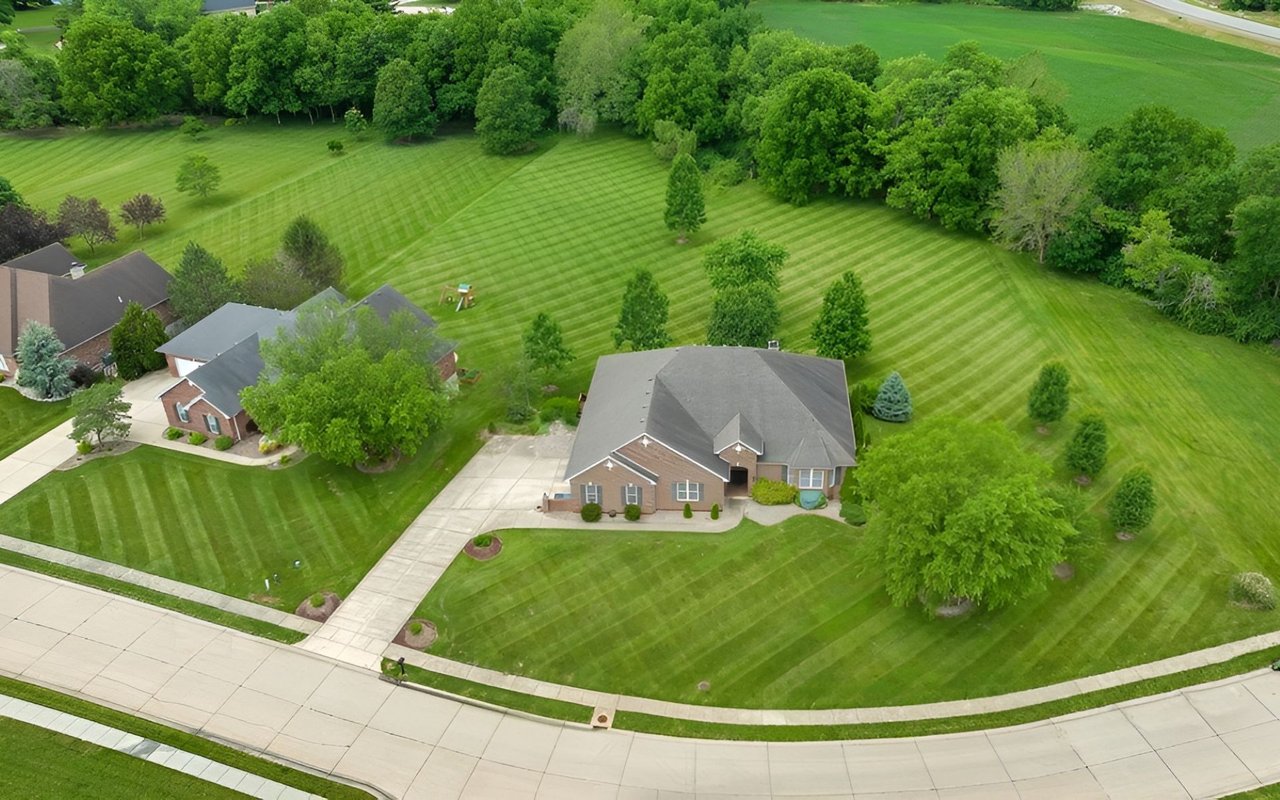
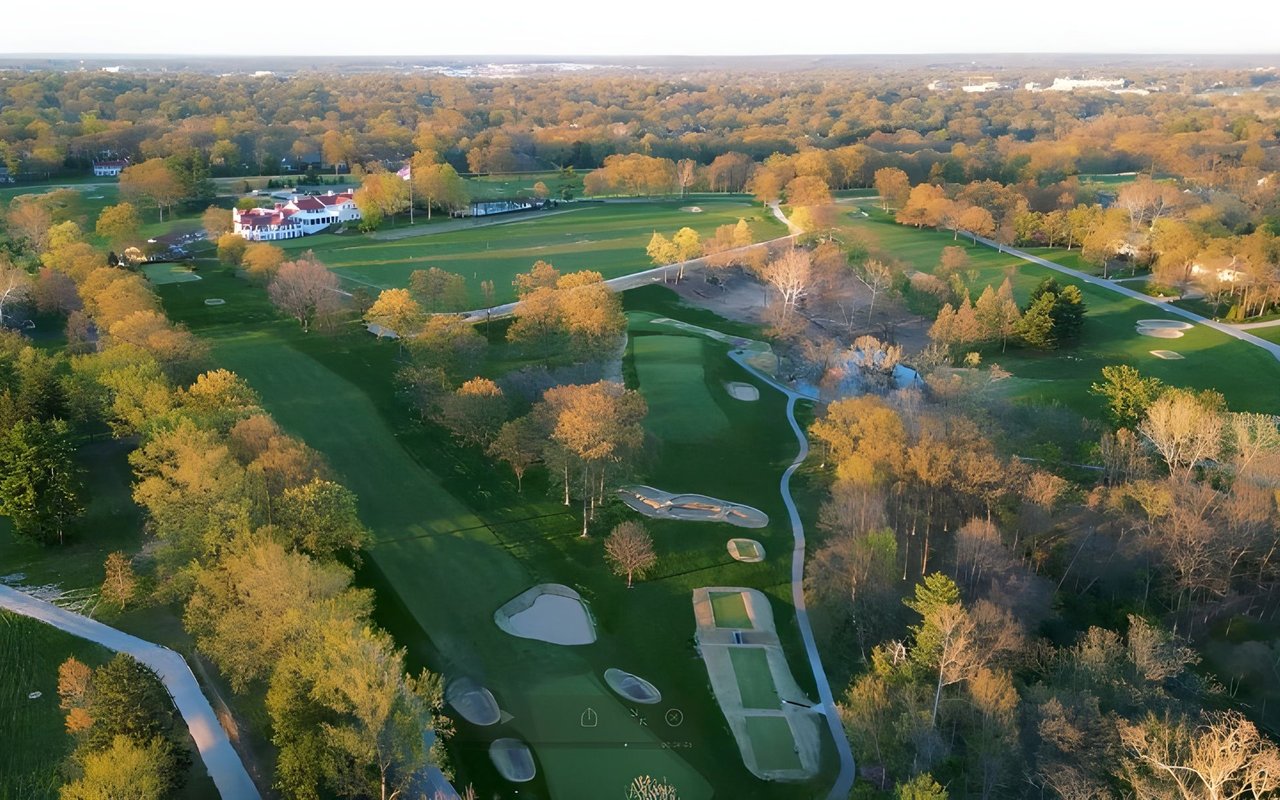
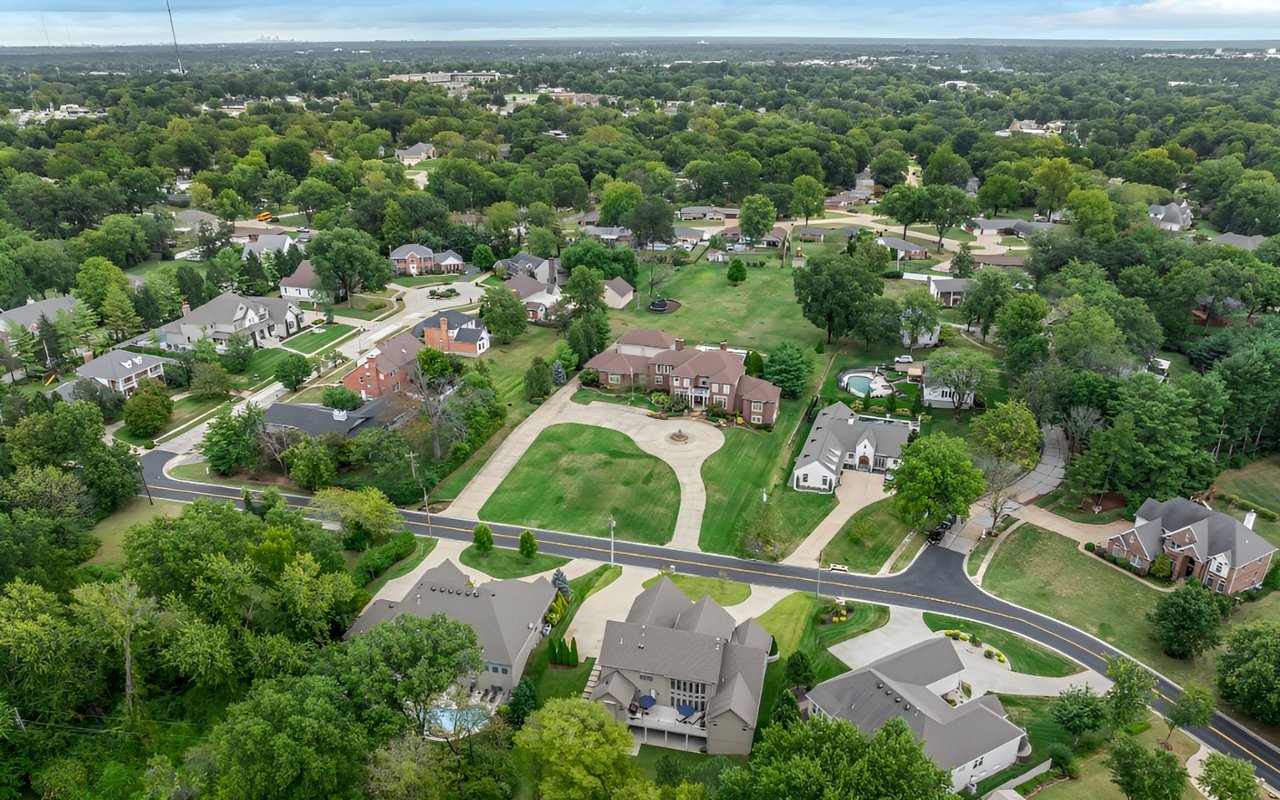
Meadowbrook Country Club Estates centers on the historic Meadowbrook golf course. This is Ballwin's upper tier: mid-to-high-end single-family homes, golf course frontage on select streets, and lot sizes well above the city average. Buyers here are often trading up from elsewhere in West County rather than entering the market.
Oakleigh Woods and Castle Pines sit closer to the southern edge, near Castlewood State Park. Quiet street layouts, updated traditional architecture, and genuine proximity to hiking and mountain biking — a real differentiator for buyers who want outdoor access without leaving the suburbs.
Westglen and Country Creek are where first-time buyers and growing families concentrate. Classic mid-century ranches and split-levels on stable residential streets, generally at Ballwin's most accessible price points. These neighborhoods move fastest in a competitive market precisely because they're the entry door.
Fox Creek and Danbury feature established 1970s and 1980s two-story layouts with active homeowners' associations. Both fall within well-regarded Rockwood and Parkway attendance boundaries, which is a significant part of what supports pricing.
One pattern worth understanding: Ballwin's older core subdivisions generally have looser deed restrictions, while anything platted after roughly 1970 tends to carry active indentures and an HOA with real enforcement authority. If you're planning a fence, a shed, a detached garage, or RV parking, the subdivision you choose matters as much as the house.
Ballwin is a seller's market and has been for some time. The reason is straightforward: a built-out city with top-rated schools and low municipal taxes produces demand that a turnover-only inventory pipeline cannot satisfy.
Metric | Current Range | What It Means |
|---|---|---|
Median home price | ~$385,000 – $460,000 | Varies by property type; condos and townhomes sit below, detached single-family above |
Median days on market | 6–7 days | Correctly priced homes go under contract inside a week |
Sale-to-list ratio | 102%–103% | Properties routinely close above asking in competitive tiers |
Inventory | Low / tight | Demand consistently outpaces single-family supply |
What this means if you're buying. Turnkey homes under $500,000 draw multiple offers, often within the first weekend. Pre-approval is not enough — you need a lender who can move quickly, a clear position on inspection contingencies, and the ability to tour a property the day it lists. Buyers who need to sell first should discuss contingency strategy before beginning the search, not after losing a house.
What this means if you're selling. The pricing window is narrow in both directions. Underprice and you leave money on the table in a market already paying above list. Overprice and you sit, because Ballwin buyers see enough comparable inventory to recognize an outlier immediately. A home that lingers past two weeks in this market signals a problem to everyone watching.
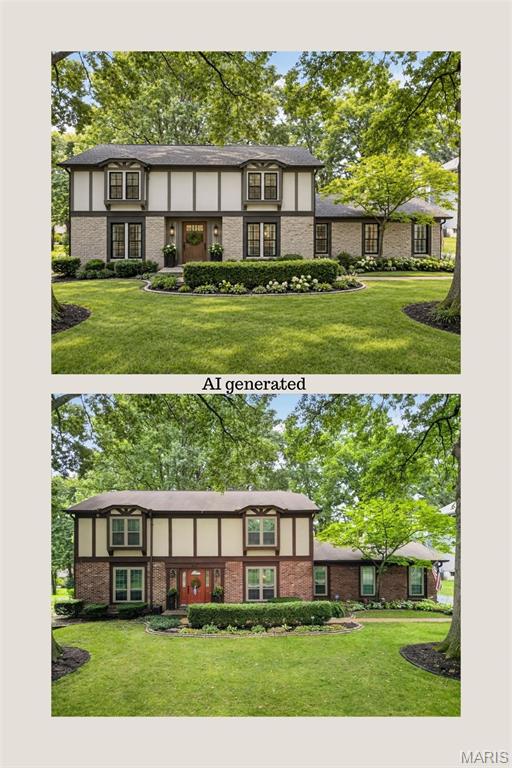
The renovation premium is real. Mid-century ranches and split-levels with modernized kitchens and opened-up main floors command meaningfully higher prices than their unrenovated equivalents — often more than the renovation cost. Sellers sitting on dated but structurally sound homes should get a candid assessment of which updates return and which don't before listing.
Entry points exist. Several condominium and townhome communities offer access to Ballwin's schools and municipal amenities below the detached single-family threshold. For first-time buyers, downsizers, and investors, these are frequently overlooked.
Ballwin's building stock is a legible record of post-war suburban development. Knowing which era a house comes from tells you a great deal about its layout, its likely condition, and what it will cost to modernize.
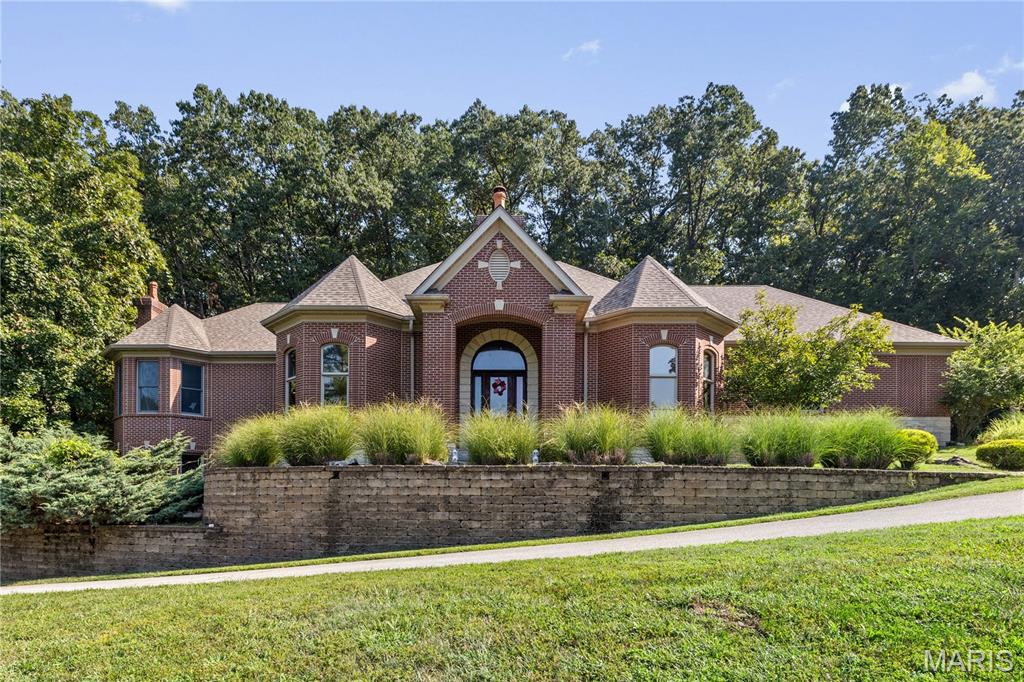
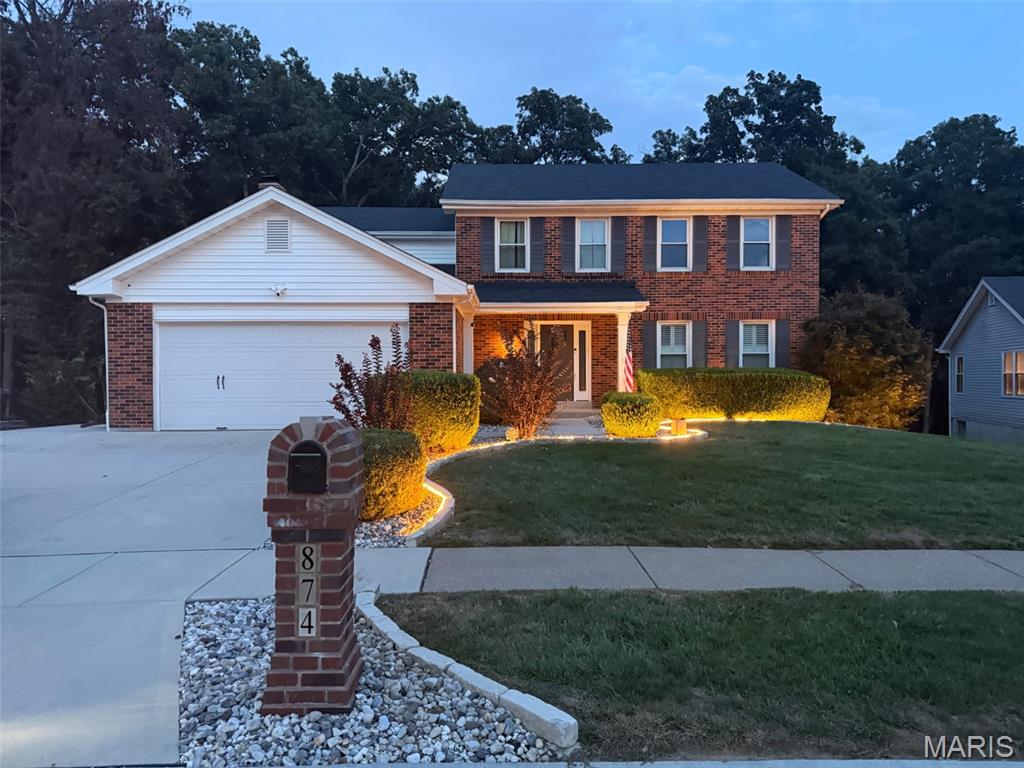
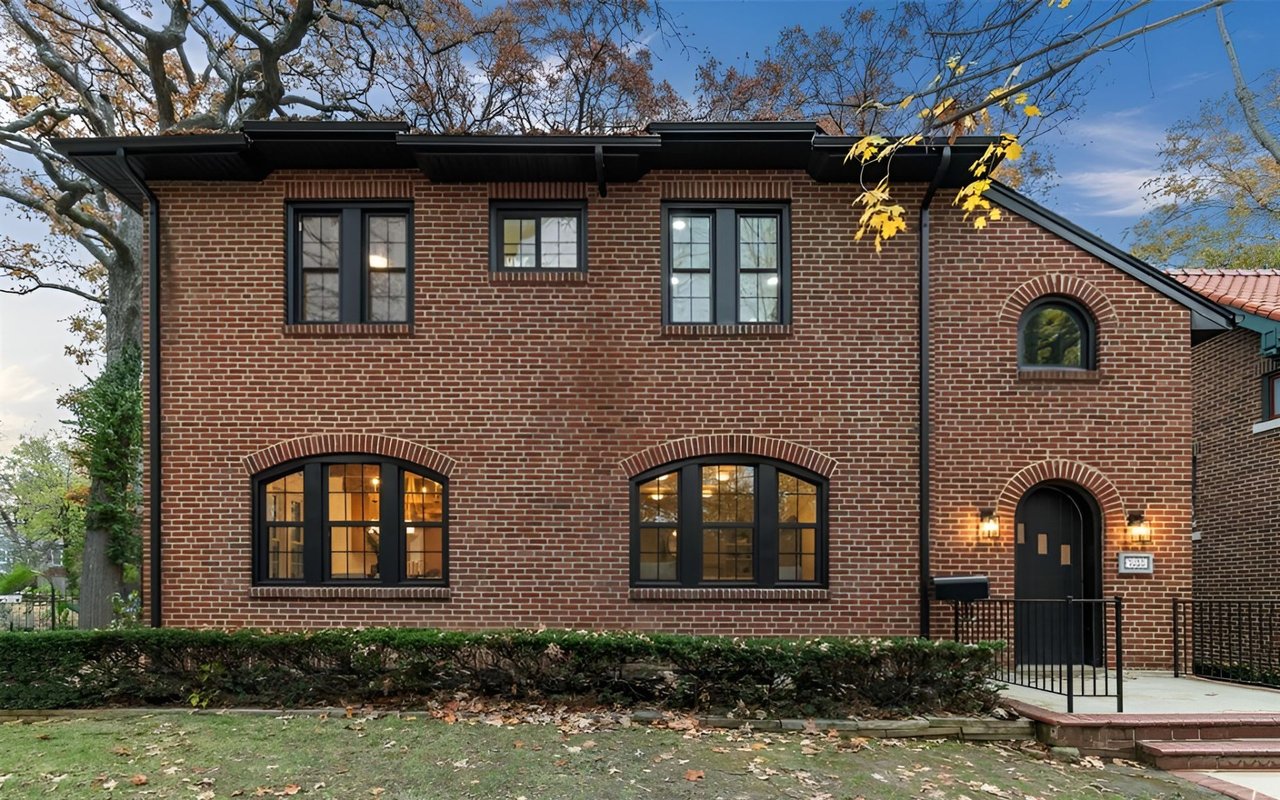
Mid-century brick ranches dominate the older core subdivisions, Westglen among them. Single-level living, deep front lawns, full basements that are frequently finished. Solid construction, generally, but expect original systems in homes that haven't been updated — and expect the kitchen to be closed off from everything else.
Split-levels and story-and-a-halfs came in through the 1960s and 1970s. Efficient use of the footprint, multi-level separation between living and sleeping areas, integrated garages. These are often the best value per square foot in Ballwin, though the layout isn't for everyone.
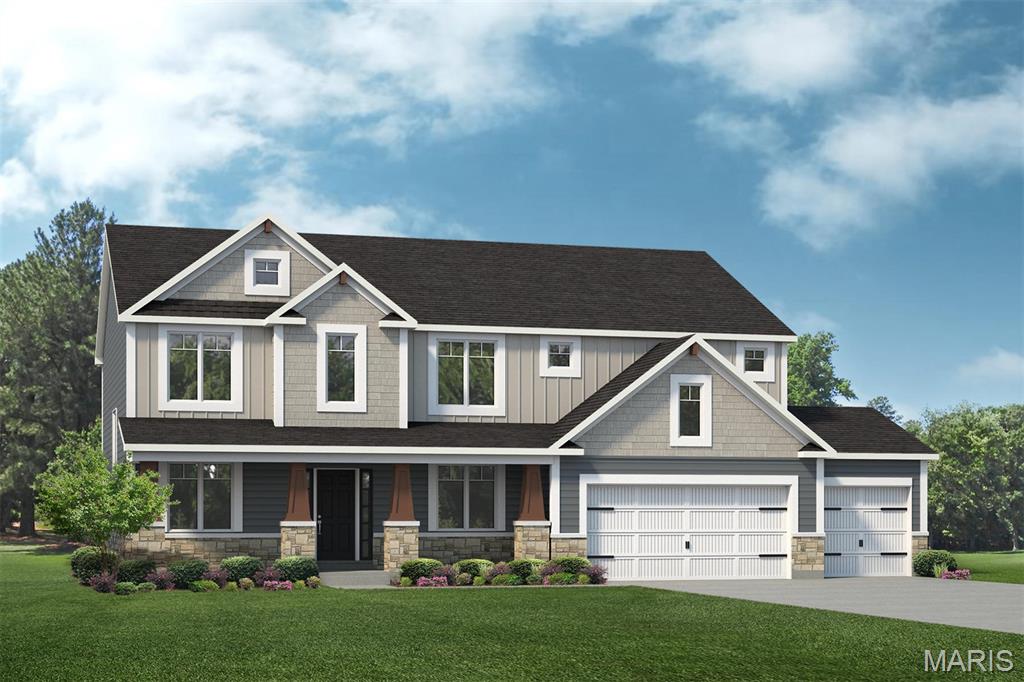
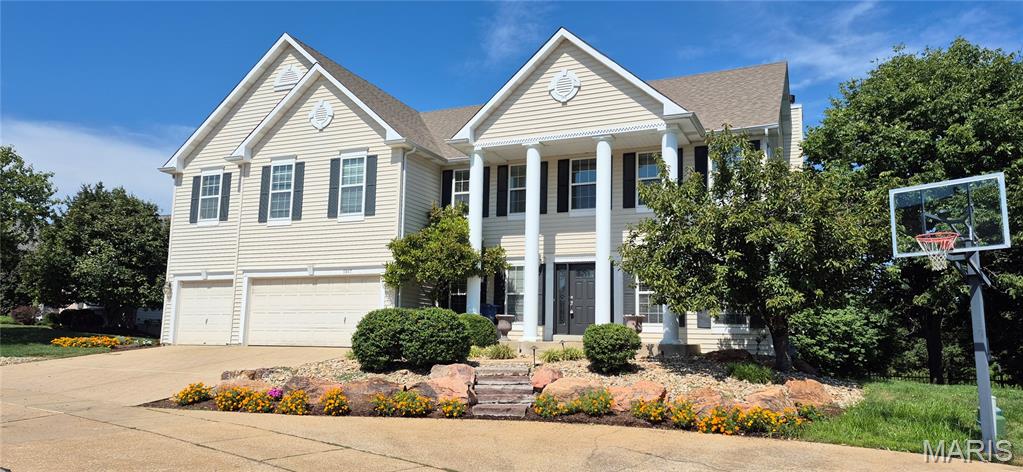
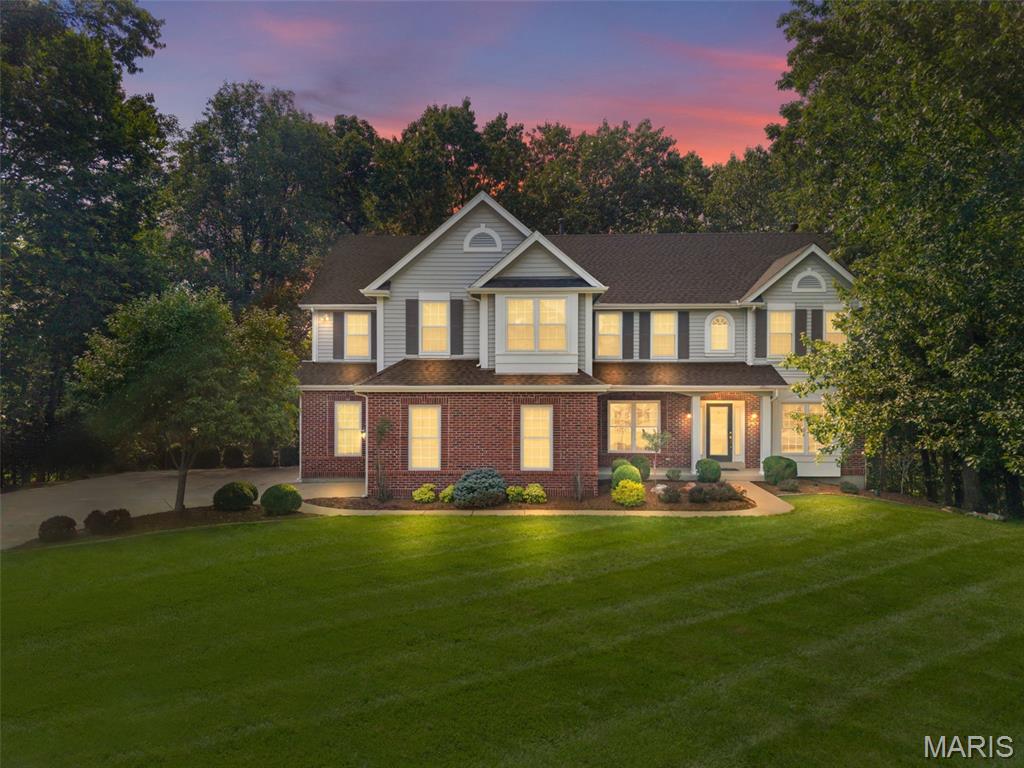
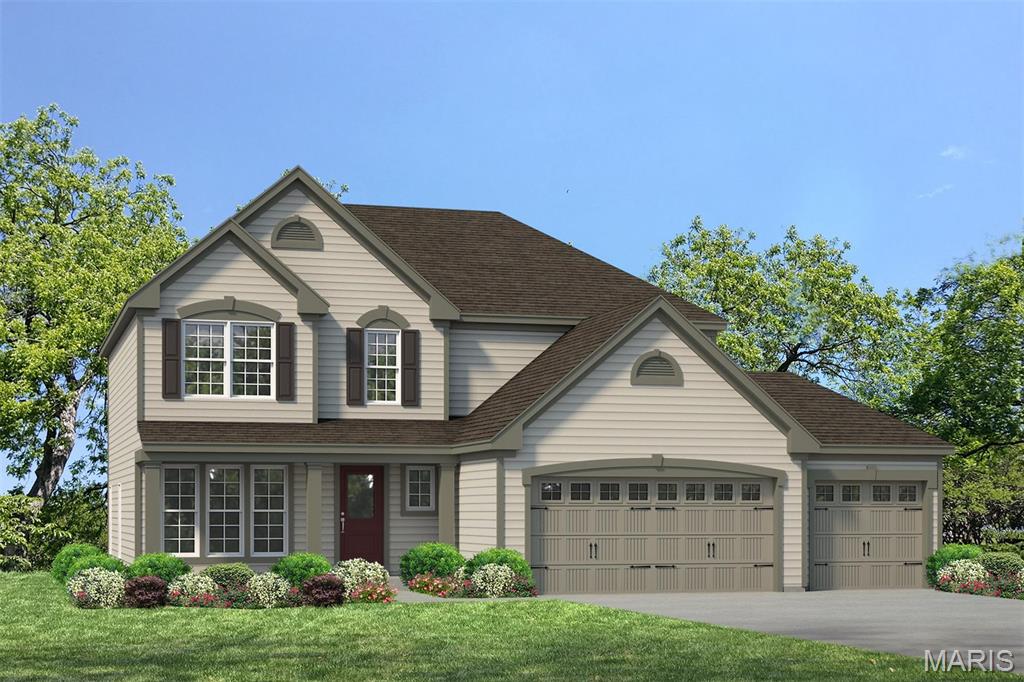
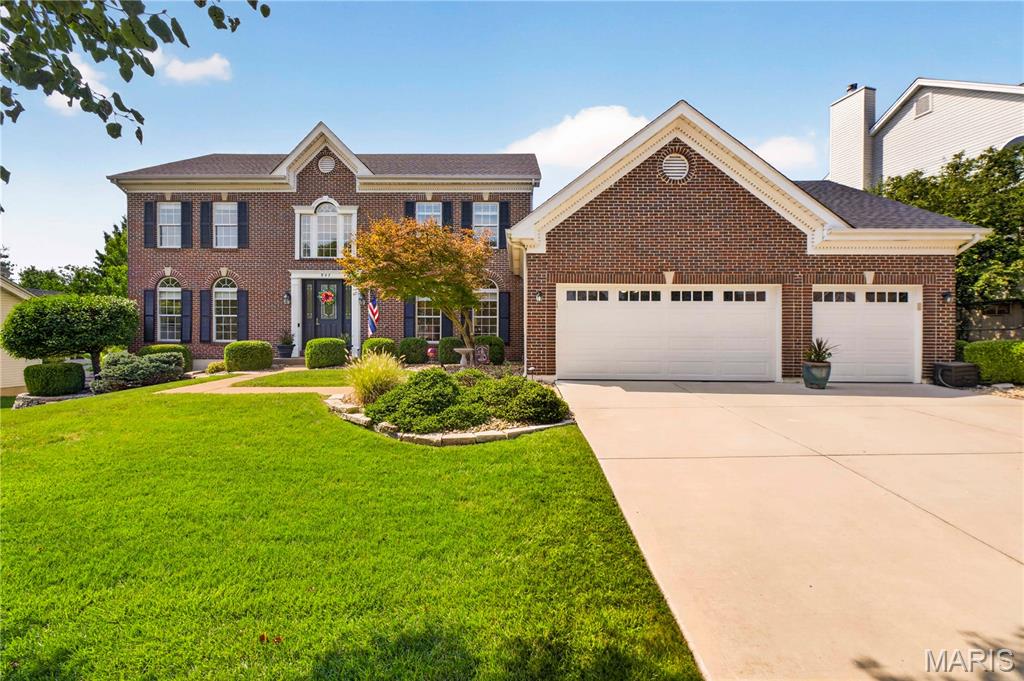
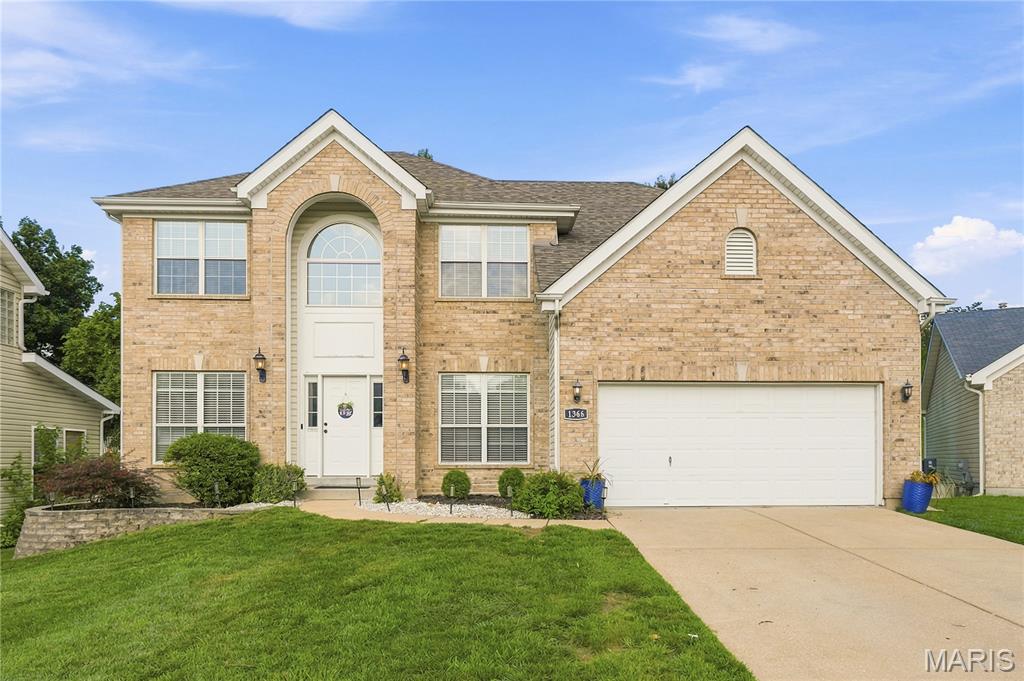
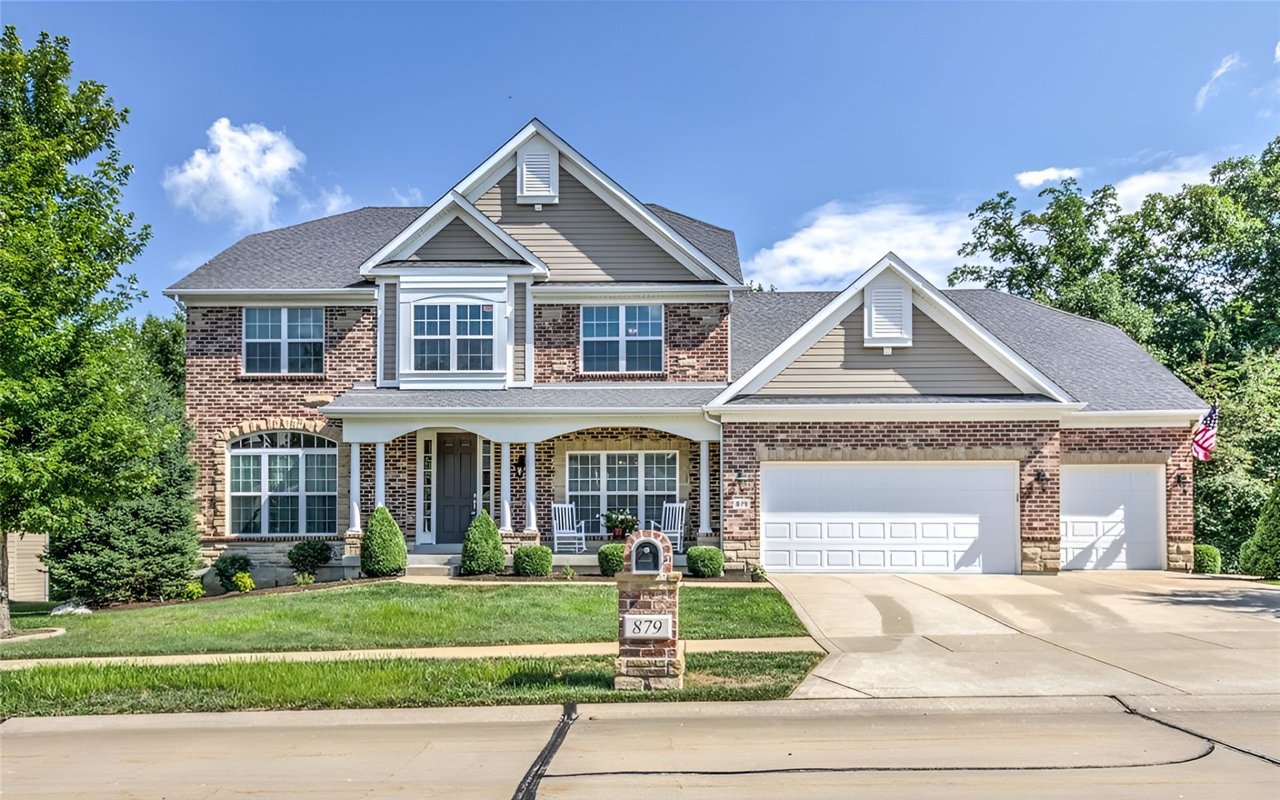
Traditional two-story colonials and executive homes define the master-planned subdivisions of the 1980s and 1990s — Claymont Woods and Oakleigh Woods among them. Brick or siding exteriors, four or more bedrooms, side-entry garages, formal living and dining rooms. The formal-room configuration is the main renovation target for today's buyers.
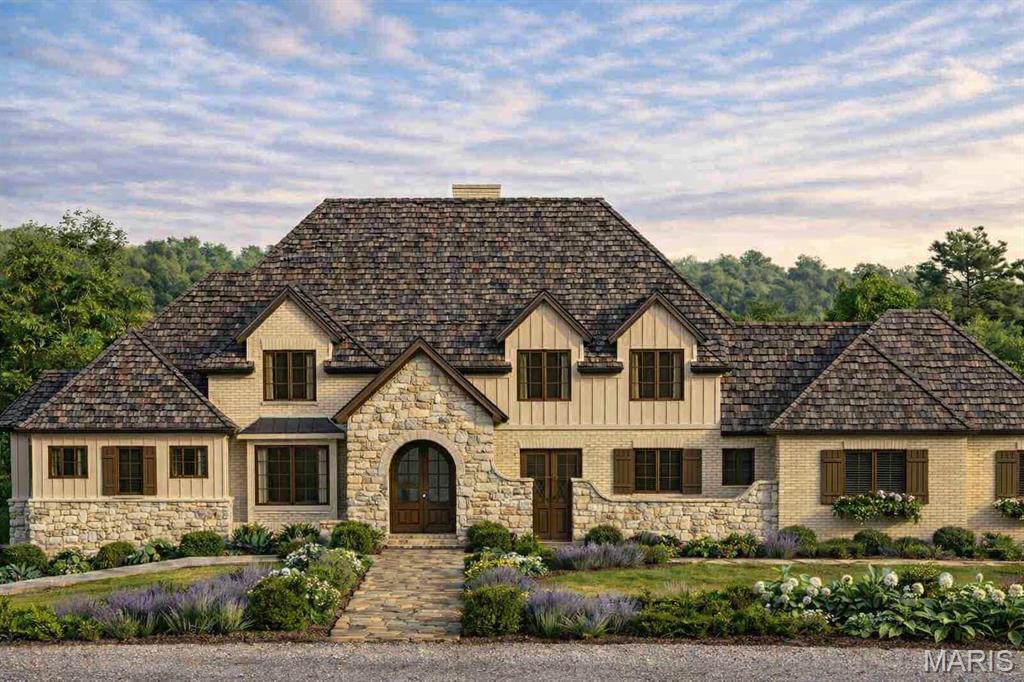
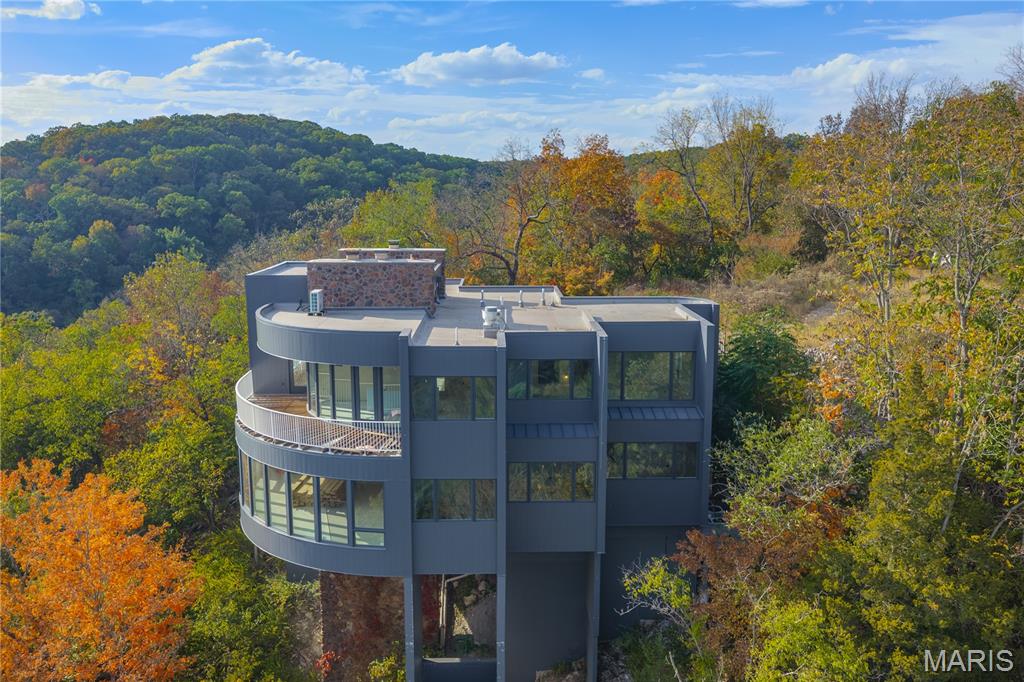
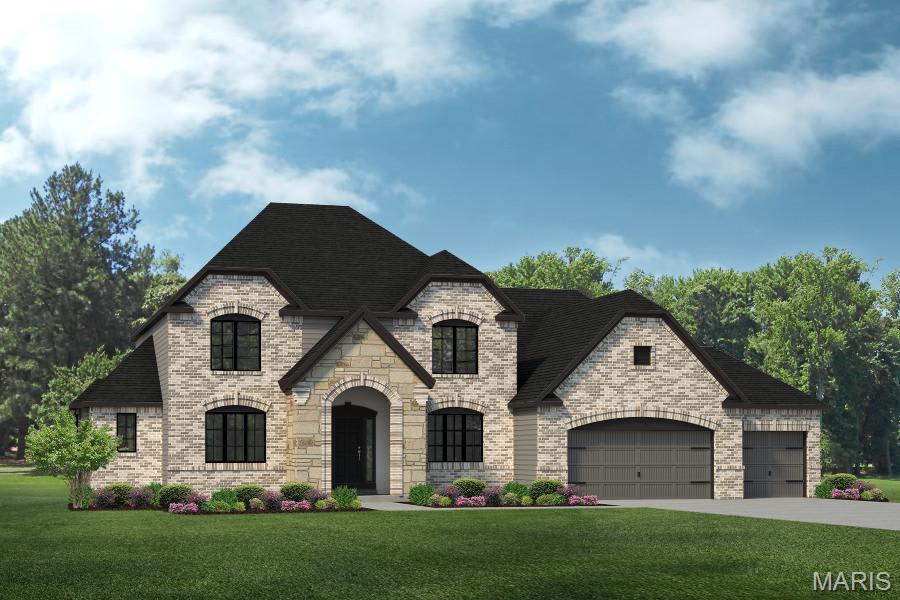
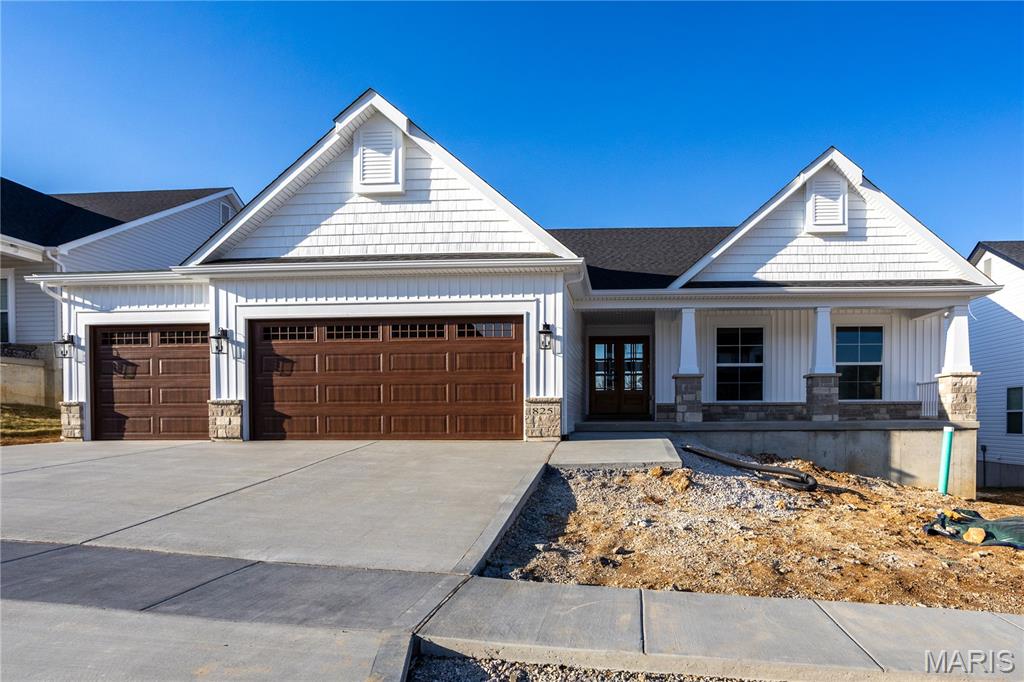
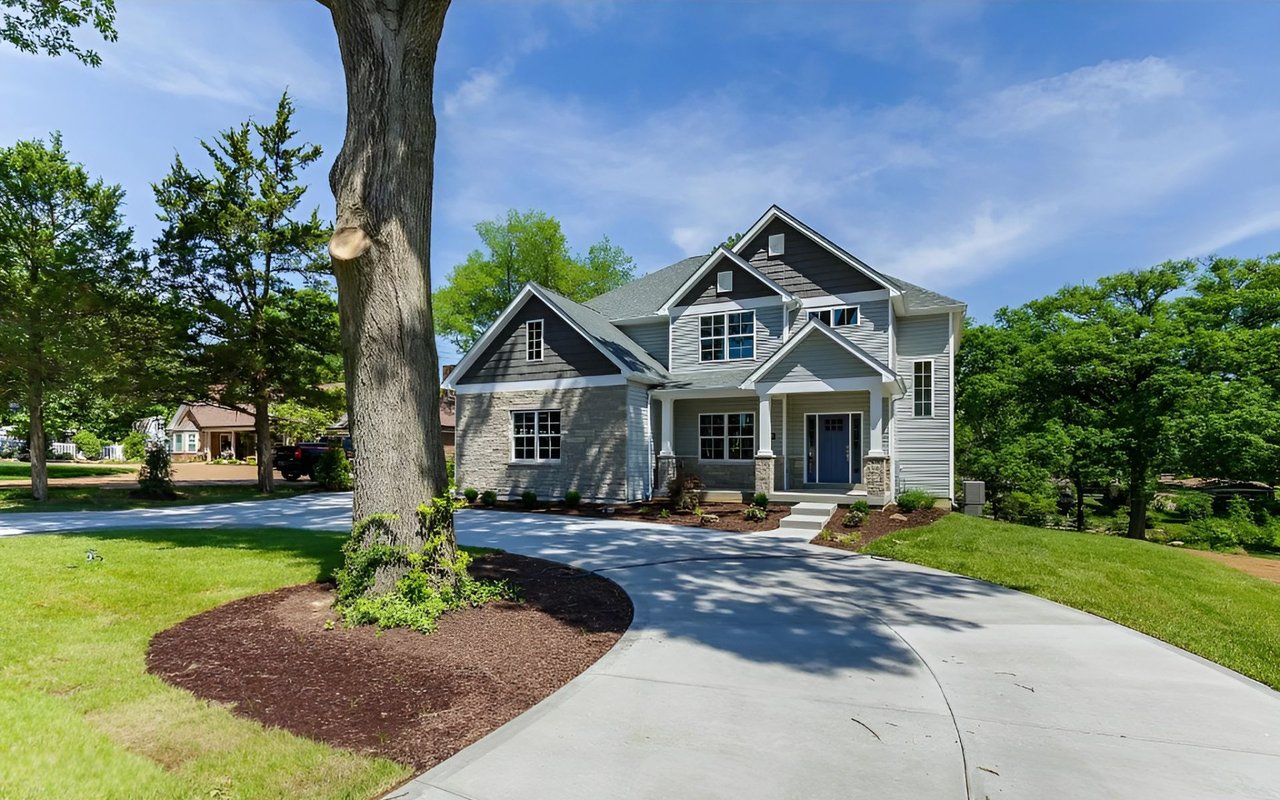
Custom and modern infill appears in the golf communities like Meadowbrook and in pockets near the Wildwood border. European-influenced facades, open-concept main floors, high-end finishes. This is where teardown-rebuild activity concentrates.
A practical note on the older inventory: Ballwin sits on soil conditions common across St. Louis County, and homes from the 1950s through 1970s should be evaluated with that in mind. Foundation movement, original clay sewer laterals, and dated electrical service are the three things that most often turn up in inspections on these properties. None are deal-breakers when identified early. All become expensive when they aren't.
Ballwin is served by two of Missouri's top-ranked public school systems — and this is the single most important thing to understand about buying here.
Neither district covers the whole city. The split runs roughly like this:
Northern & Eastern Ballwin  ──►  Parkway School District
                                  (Parkway West / Parkway South)

Southern & Western Ballwin  ──►  Rockwood School District
                                  (Marquette / Lafayette)
Parkway School District serves northern and eastern Ballwin. Parkway is known for strong academic outcomes, an extensive Advanced Placement catalog, and competitive athletics. Elementary schools serving Ballwin addresses include Henry, Oak Brook, Sorrento Springs, and Westridge. Middle schools are Parkway West Middle and Parkway Southwest Middle. High schools are Parkway West High School and Parkway South High School.
Rockwood School District serves southern and western Ballwin and consistently earns top state accreditation along with national recognition for STEM programming and college readiness. Elementary schools include Ballwin Elementary, Woerther, and Ridge Meadows. Middle schools are Selvidge and Crestview. High schools are Marquette High School and Lafayette High School.
The part that trips people up. District boundaries cut straight through Ballwin's municipal borders, and they do not follow major roads in any intuitive way. Two houses on the same street can feed different high schools. Listing sites and third-party school-rating apps are frequently wrong, sometimes badly so — they often assign schools by ZIP code, which is a different geography entirely.
If school assignment matters to your purchase, verify the specific address against the official district boundary map before you write an offer. Not the neighborhood. The address. This is a five-minute check that has cost families years of inconvenience when skipped.
Ballwin's parks system is disproportionate to its size, and it's one of the clearest returns residents see on their tax dollars.
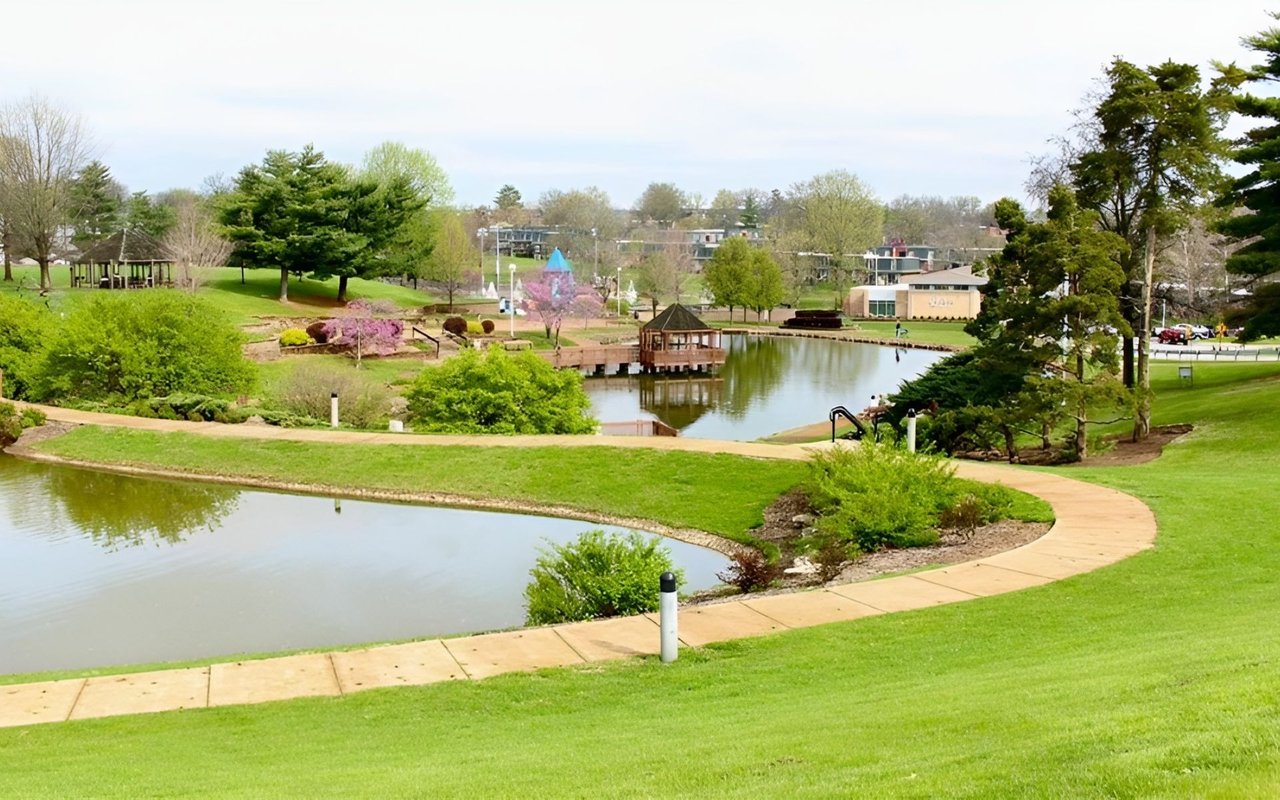
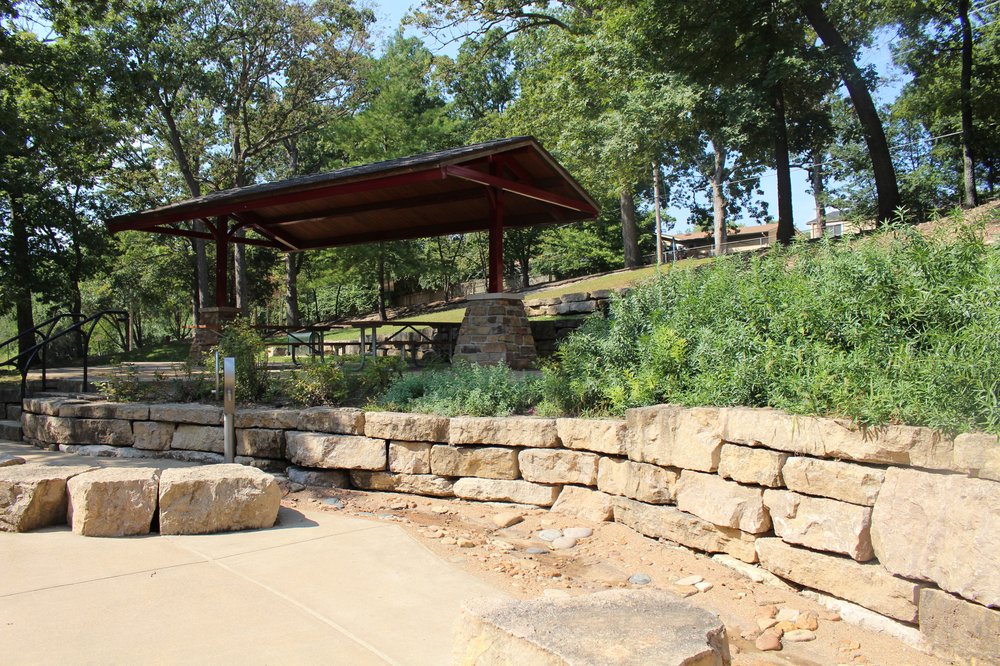
Vlasis Park is the flagship — 31 acres adjacent to City Hall, with two fishing ponds, walking trails, playgrounds, tennis and pickleball courts, sand volleyball, and pavilions that host the city's seasonal festival and concert calendar. It functions as Ballwin's town green in a community that otherwise lacks a traditional downtown.
The Pointe at Ballwin Commons is the municipal facility that most surprises people relocating here. It's a 29,000-square-foot indoor recreation center with a full fitness floor, indoor walking track, double gymnasium, group exercise studios, and an indoor aquatics center with lap lanes and a two-story water slide. Residents get discounted membership. For many households, it replaces a private gym membership entirely — a genuine line-item savings worth factoring into your cost comparison against neighboring municipalities.
North Pointe Aquatic Center handles summer: an outdoor water park with a leisure pool, lazy river, splash pads, competitive lap lanes, and diving wells. It becomes the default gathering point for Ballwin families from Memorial Day through August.
Castlewood State Park sits just past the southern border along Kiefer Creek Road. High-bluff hiking above the Meramec River, some of the region's best mountain biking, fishing, and picnic grounds. Southern Ballwin neighborhoods — Oakleigh Woods and Castle Pines in particular — are close enough that residents treat it as a neighborhood amenity rather than a destination.
Add in Ballwin Golf Course, which also carries resident rates, and the recreational package is unusually complete for a city this size.
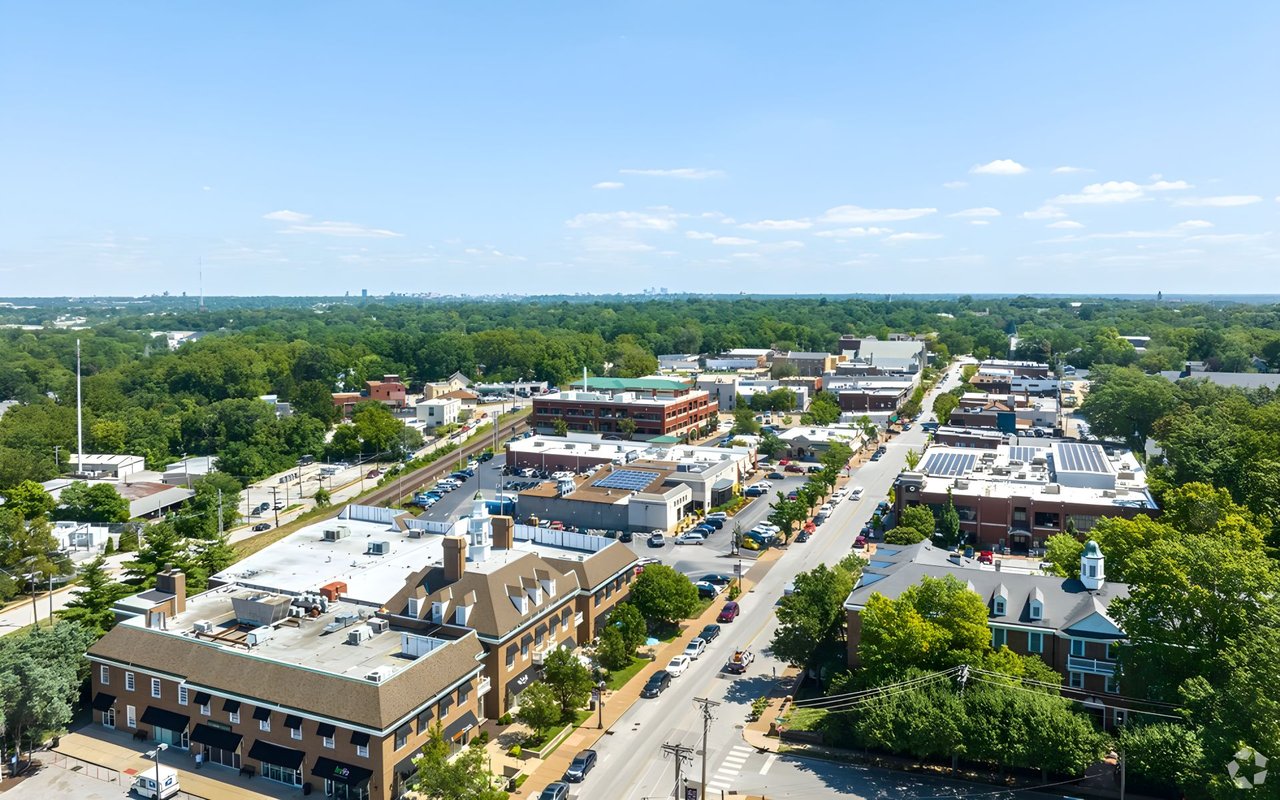
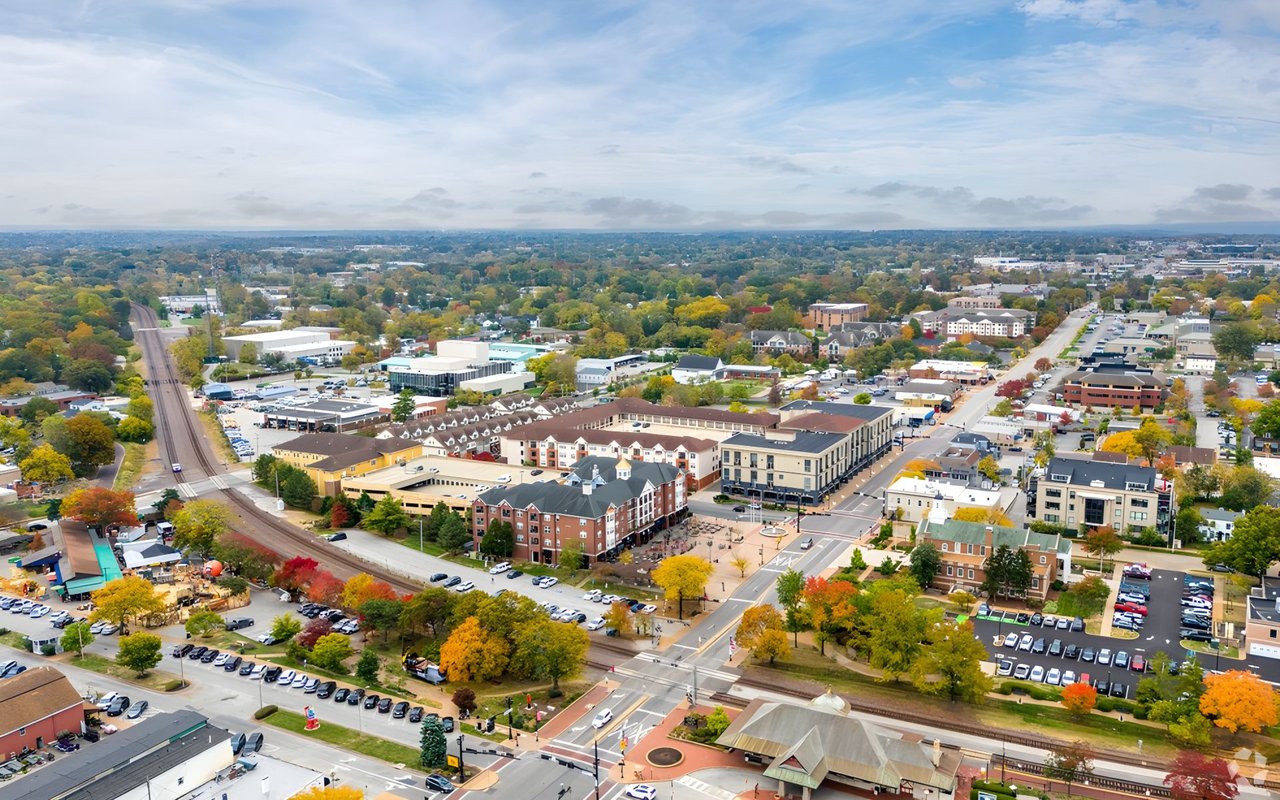
Everything commercial in Ballwin happens on Manchester Road. This is a feature, not a limitation — errands consolidate onto one route, and you're rarely more than a few minutes from what you need.
Groceries and essentials are well covered: Schnucks, Target, and Aldi sit within Ballwin, with Trader Joe's and Whole Foods a short drive into neighboring Manchester and Town & Country. Strip plazas along the corridor house the practical infrastructure of suburban life — fitness studios, home improvement, pet supply, dry cleaning, urgent care, and the service businesses you don't think about until you need one.
The dining scene reflects West County's actual demographics rather than a curated restaurant district. You'll find St. Louis staples — neighborhood taverns, thin-crust pizza with Provel, family-run barbecue — alongside long-established Mexican, Thai, Japanese, and Italian restaurants, several of them second-generation family operations. Coffee houses and bakeries fill in the daytime, and the West County microbrewery belt is within easy reach.
What Ballwin doesn't have is a walkable village center in the mold of Kirkwood or Webster Groves. Buyers who want to stroll to dinner should know that going in; the trade-off is that Ballwin's commercial base generates the sales tax revenue that keeps its municipal property tax levy among the lowest in St. Louis County. You are, in a real sense, paying for that corridor in convenience and getting it back in taxes.
Ballwin's value proposition becomes clearest in the tax comparison against its neighbors.
How Missouri property tax works. Residential property is assessed at 19% of market value, and the levy applies to that assessed figure. Effective rates in Ballwin typically land between 1.22% and 1.25% of total market value.
Where the money goes. The large majority funds the local school district — Parkway or Rockwood, depending on address. The remainder splits among St. Louis County services, the Metro West Fire Protection District, and the St. Louis County Library system. Ballwin's own municipal levy is one of the lowest in the county, because the city funds a significant share of operations through sales tax collected along the Manchester Road commercial strip.
That structure is why Ballwin can deliver the services it does at the cost it does. Compared to Town and Country or Ladue, you are buying into a substantially different tax profile while retaining access to comparably strong schools.
What the city provides. Municipal trash, single-stream recycling, and yard waste collection are contracted for single-family residences. Ballwin operates its own public works fleet for snow removal, street maintenance, and street lighting on neighborhood roads — which matters more than it sounds like in a St. Louis winter. And residents receive discounted rates at The Pointe, North Pointe Aquatic Center, and Ballwin Golf Course.
Run the numbers honestly and the resident recreation discounts alone can offset a meaningful portion of the annual municipal tax burden for an active household.
These are the four issues that most often surprise buyers here, particularly those relocating from outside the St. Louis market.
1. Ballwin requires a re-occupancy inspection. Before any change in residency — sale or lease — the city conducts a re-occupancy inspection covering basic life safety: smoke detectors, handrails, electrical grounding, and exterior structural condition. Sellers typically obtain the occupancy permit, but the timing can compress a closing if repairs surface late. Confirm during contract negotiation who is responsible for what, and get the inspection scheduled early rather than in the final week.
2. Scope the sewer lateral. Homes built in the 1950s through 1970s frequently have original clay sewer laterals, and clay fails — root intrusion, joint separation, collapse. A video sewer scope during your inspection contingency costs a few hundred dollars and routinely identifies problems that run into the thousands. In Ballwin this is not an optional add-on; treat it as standard. The good news is that Ballwin participates in a municipal sewer lateral repair program that helps offset repair costs for broken lines on private residential property, which softens the exposure considerably compared to some neighboring jurisdictions.
3. A Ballwin mailing address is not the same as living in Ballwin. The city spans ZIP codes 63011 and 63021, but those ZIPs extend well beyond city limits. Properties listed with a Ballwin postal address routinely sit in unincorporated St. Louis County or in neighboring Ellisville or Manchester. The difference is real: municipal trash service, Ballwin public works, resident rates at The Pointe and North Pointe, and city code enforcement all follow the city limit, not the ZIP code. Verify jurisdiction before you fall in love with a listing.
4. Read the indentures. Most subdivisions platted after 1970 carry active indentures and a homeowners association with genuine authority. Restrictions commonly cover exterior modifications, sheds and outbuildings, fence style and height, RV and trailer parking, and in some cases rental use. If you own a boat, plan to build a detached workshop, or intend to rent the property at any point, request and read the indentures during your inspection period. They are enforceable, and buyers do get caught.
One more, less obvious point: because school boundaries, city limits, and ZIP codes all follow different lines in Ballwin, the address-level verification described throughout this guide isn't excessive caution. It's the baseline standard of care for buying here.
Ballwin rewards local knowledge. The school boundary that runs mid-block, the subdivision whose indentures rule out the garage you were planning, the mailing address that isn't actually in the city, the 1968 ranch whose clay lateral will need attention within five years — none of these show up on a listing page, and all of them change what a house is worth to you.
Patton Properties is based at 338 S Kirkwood Rd, Suite 105 in Kirkwood, a short drive from Ballwin and squarely inside the West County market we work in every day. Ryan Patton is a licensed broker in Missouri and Illinois and a Washington University in St. Louis graduate who has worked in this market full-time since the beginning of his career. He also owns Innovia Company, a custom homebuilding firm — which means that when a Ballwin property's real question is whether the renovation is worth doing, or what a teardown-rebuild would actually cost on that lot, the answer comes from construction experience rather than estimation.
Whether you're beginning a search, weighing a specific street or subdivision, deciding what to update before listing, or simply trying to understand where your Ballwin home sits in the current market, we're glad to be a resource. Reach Ryan directly at [email protected] or (314) 821-8900, and we'll give you a straight read on your situation — no pressure, no obligation.
There's plenty to do around Ballwin, including shopping, dining, nightlife, parks, and more. Data provided by Walk Score and Yelp.
Explore popular things to do in the area, including Shibam Coffee, Papa Johns Pizza, and On The Run.
| Name | Category | Distance | Reviews |
Ratings by
Yelp
|
|---|---|---|---|---|
| Dining | 0.73 miles | 0 reviews | 0/5 stars | |
| Dining · $ | 0.73 miles | 38 reviews | 2.4/5 stars | |
| Dining | 1.08 miles | 0 reviews | 0/5 stars | |
| Shopping | 0.85 miles | 11 reviews | 3.4/5 stars | |
| Shopping | 0.88 miles | 4 reviews | 2.5/5 stars | |
| Shopping | 0.89 miles | 0 reviews | 0/5 stars | |
| Active | 0.5 miles | 0 reviews | 0/5 stars | |
| Active | 0.7 miles | 1 review | 1/5 stars | |
| Active | 0.81 miles | 5 reviews | 4.6/5 stars | |
| Active | 0.89 miles | 0 reviews | 0/5 stars | |
| Active | 0.89 miles | 1 review | 5/5 stars | |
| Active | 0.95 miles | 2 reviews | 5/5 stars | |
| Active | 0.98 miles | 1 review | 5/5 stars | |
| Active | 1 miles | 0 reviews | 0/5 stars | |
| Active | 1.09 miles | 0 reviews | 0/5 stars | |
| Active | 1.09 miles | 0 reviews | 0/5 stars | |
| Beauty | 0.61 miles | 11 reviews | 5/5 stars | |
| Beauty | 0.71 miles | 0 reviews | 0/5 stars | |
| Beauty | 0.72 miles | 0 reviews | 0/5 stars | |
| Beauty | 0.74 miles | 0 reviews | 0/5 stars | |
| Beauty | 0.81 miles | 0 reviews | 0/5 stars | |
| Beauty | 0.81 miles | 30 reviews | 4.3/5 stars | |
| Beauty | 0.82 miles | 0 reviews | 0/5 stars | |
| Beauty | 1.05 miles | 5 reviews | 5/5 stars | |
|
|
||||
|
|
||||
|
|
||||
|
|
||||
|
|
||||
|
|
Ballwin has 36,583 households, with an average household size of 2.52. Data provided by the U.S. Census Bureau. Here’s what the people living in Ballwin do for work — and how long it takes them to get there. Data provided by the U.S. Census Bureau. 92,571 people call Ballwin home. The population density is 2,565 and the largest age group is Data provided by the U.S. Census Bureau.
Total Population
Population Density Population Density This is the number of people per square mile in a neighborhood.
Median Age
Men vs Women
Population by Age Group
0-9 Years
10-17 Years
18-24 Years
25-64 Years
65-74 Years
75+ Years
Education Level
Total Households
Average Household Size
Average individual Income
Households with Children
With Children:
Without Children:
Marital Status
Blue vs White Collar Workers
Blue Collar:
White Collar: