Welcome to Kirkwood, MO
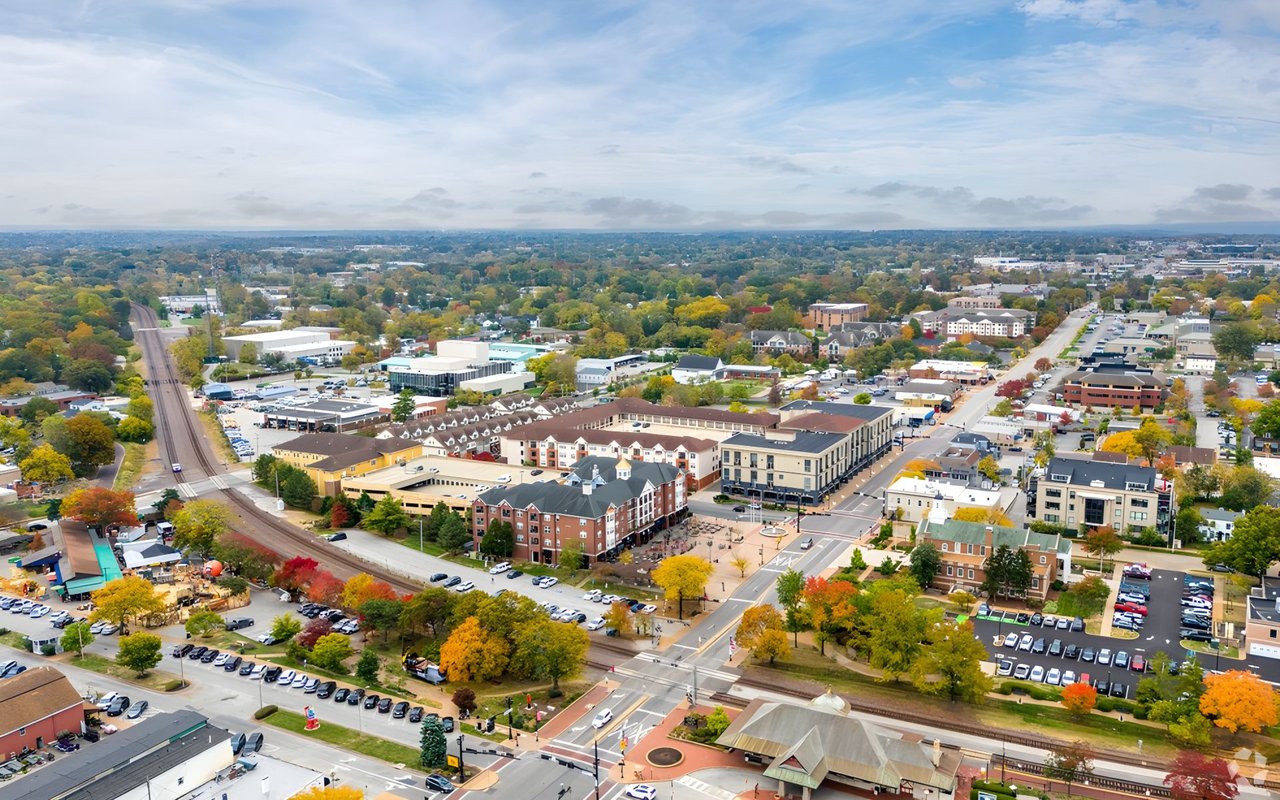
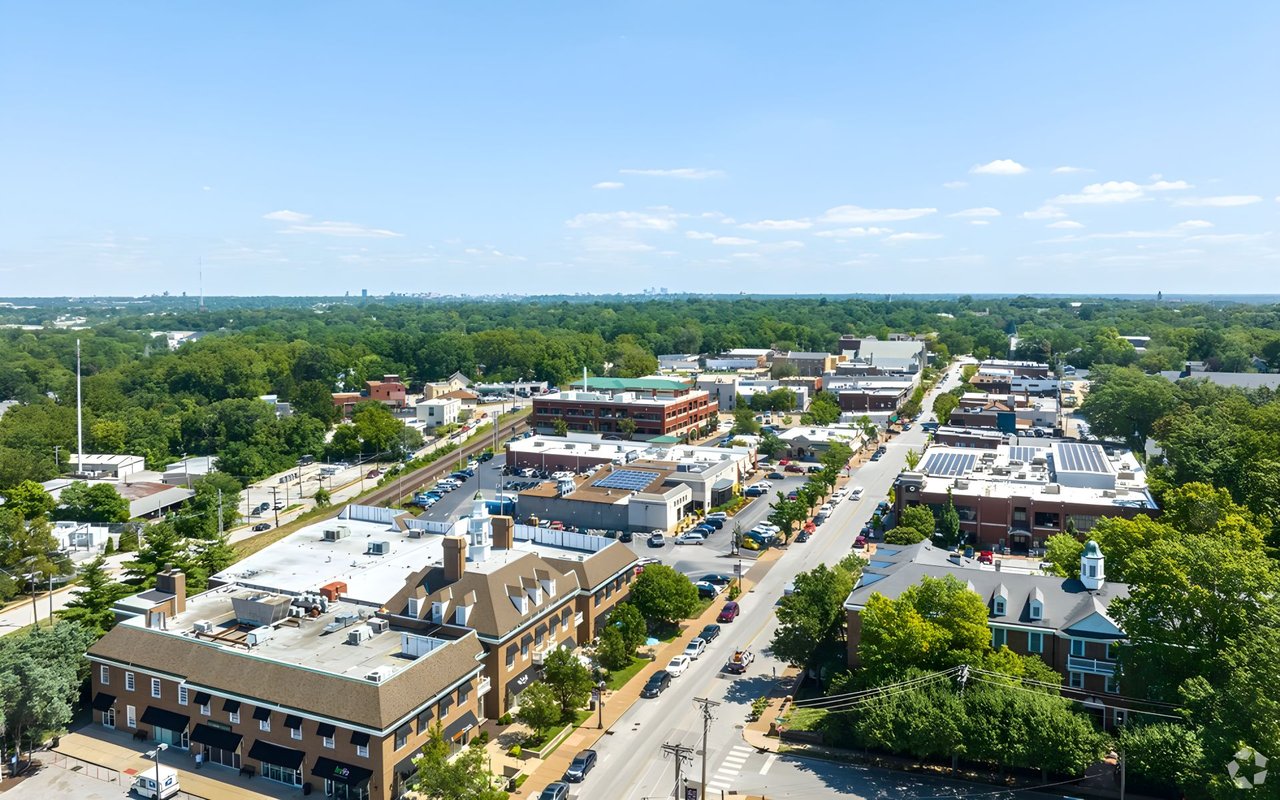
Kirkwood, Missouri is a well-established inner-ring suburb of St. Louis known for its historic charm, strong community identity, and highly walkable downtown. Centered around a revitalized historic core and the Kirkwood Train Station, the neighborhood blends early-20th-century architecture with modern amenities, making it one of the most desirable places to live in St. Louis County. Residents are drawn to Kirkwood for its top-rated schools, locally owned shops and restaurants, extensive parks, and convenient access to downtown St. Louis, while still maintaining a small-town feel with deep civic pride and long-term residents.
History
Kirkwood’s development is closely tied to the expansion of railroads in the mid-19th century. Originally agricultural land, the area began transforming in the 1850s when the Pacific Railroad (later Missouri Pacific) established a stop here, making it one of the earliest planned railroad suburbs west of the Mississippi. This rail access positioned Kirkwood as a desirable residential community for St. Louis professionals seeking space, cleaner air, and separation from the industrial core.
By the late 19th and early 20th centuries, Kirkwood evolved into a self-contained town with its own schools, churches, and commercial center. The construction of the Kirkwood Train Station in 1893 became a defining civic landmark and remains a focal point today. The city was officially incorporated in 1865, reinforcing local governance and long-term planning distinct from St. Louis.
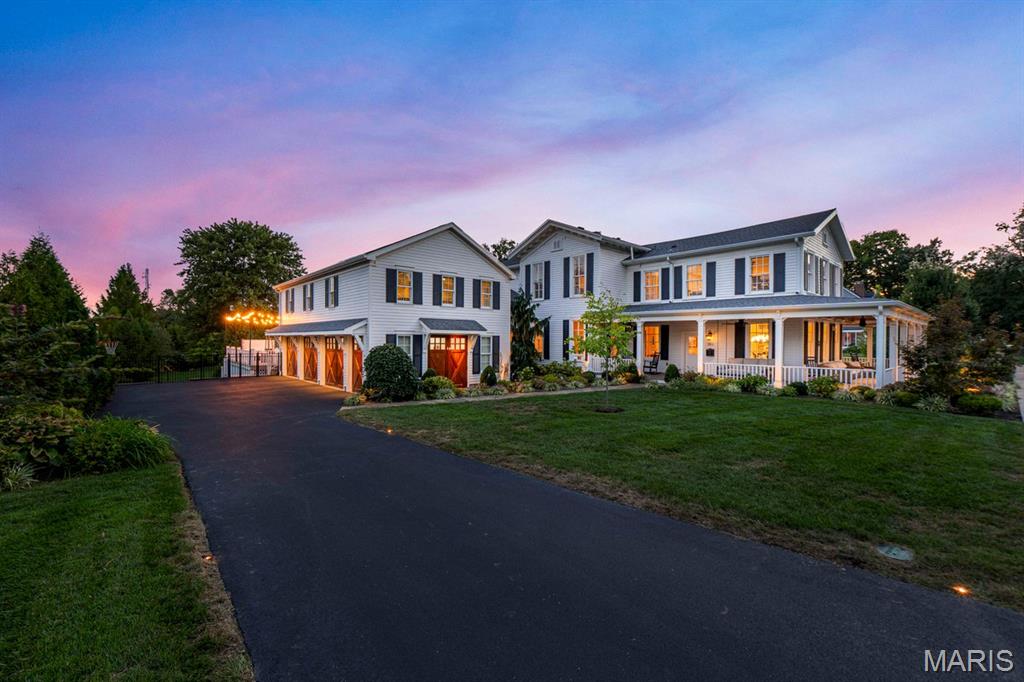
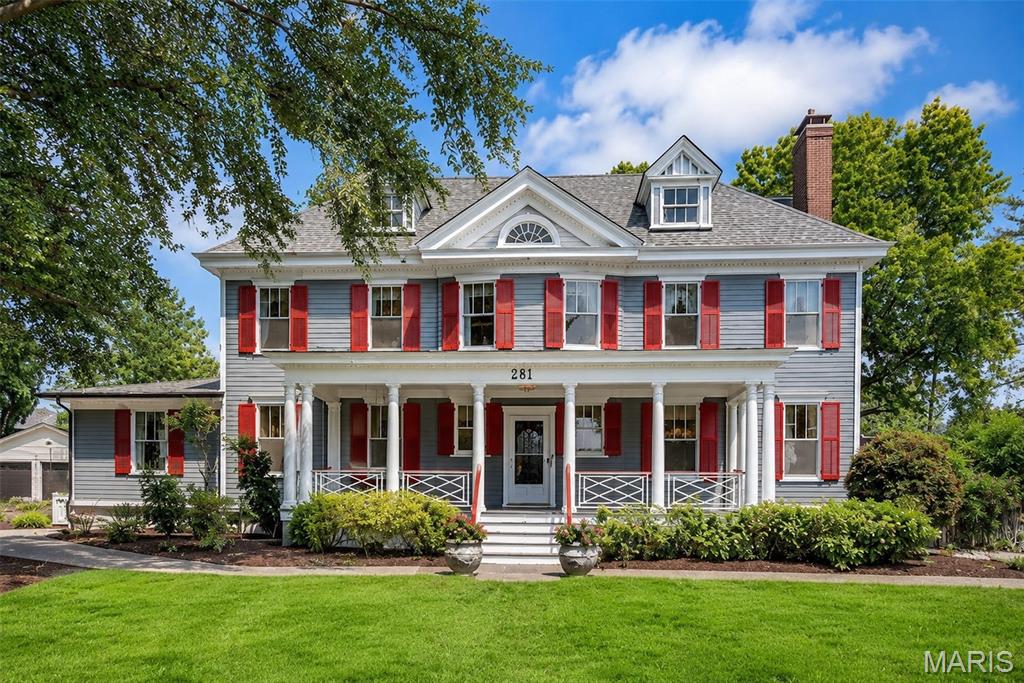
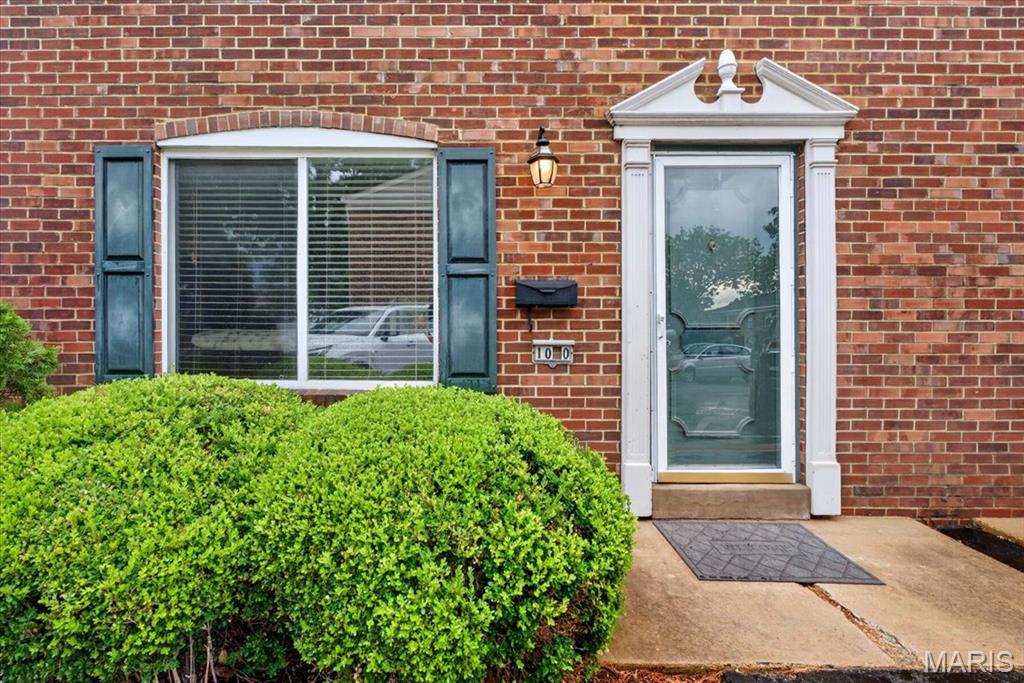
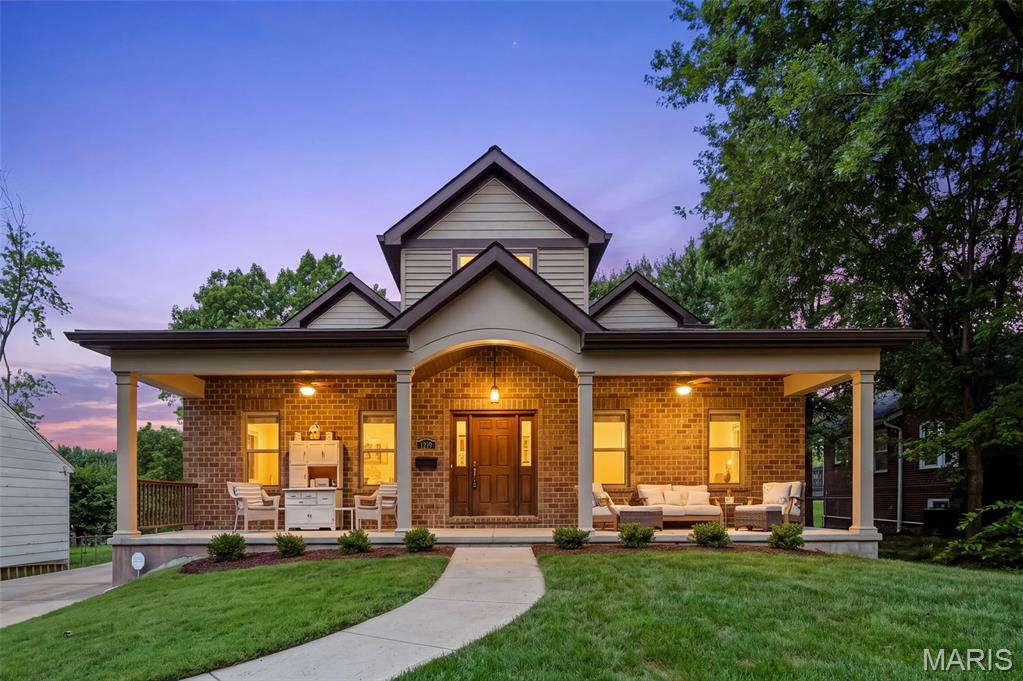
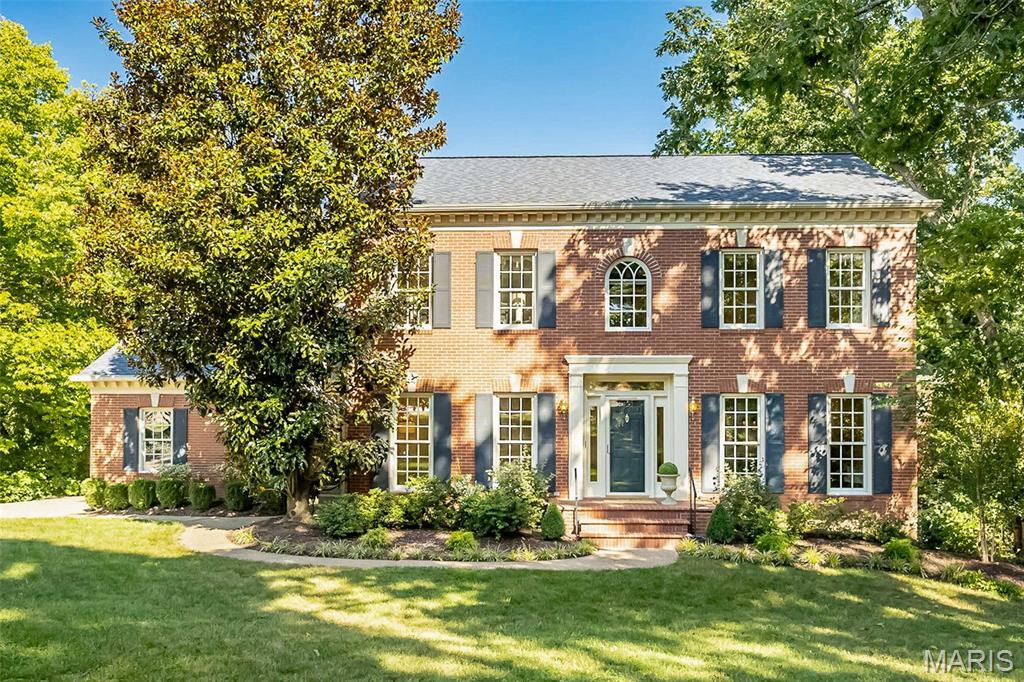
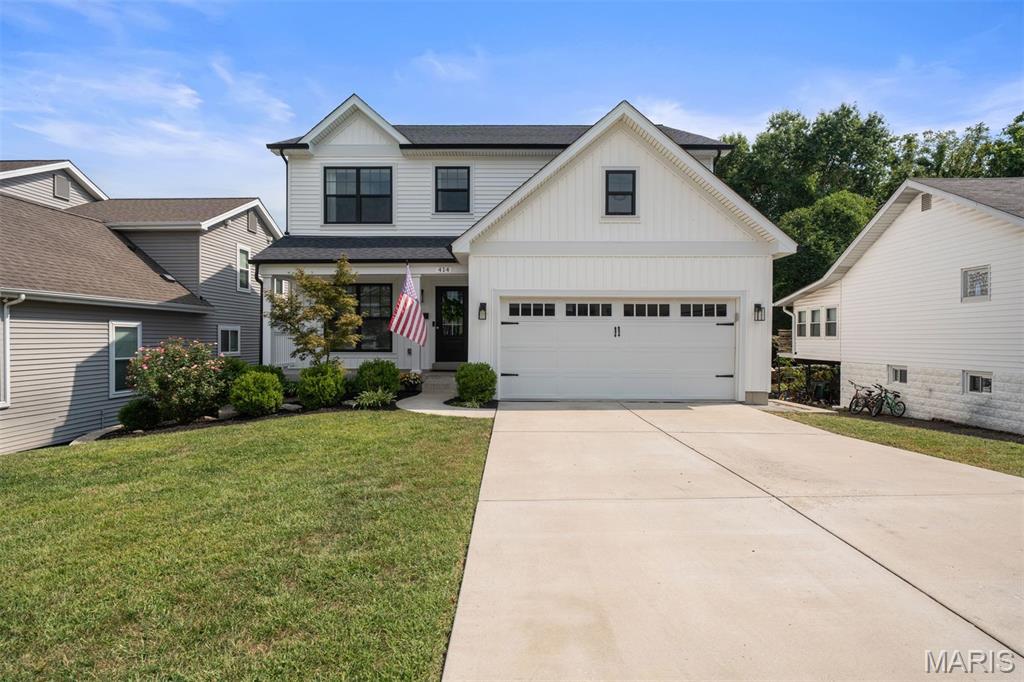
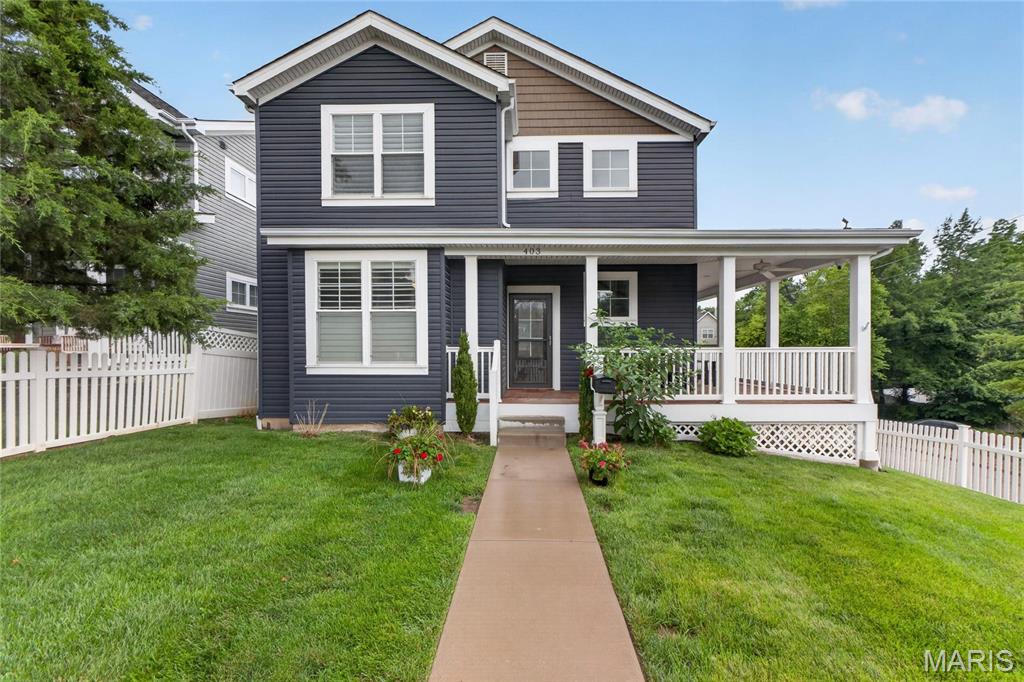
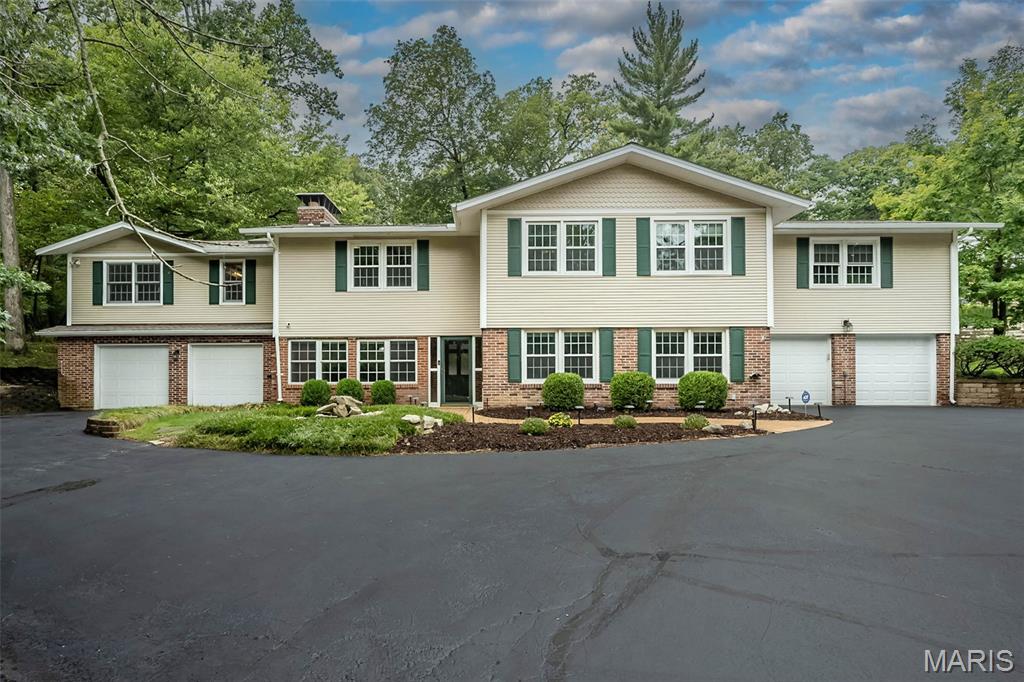
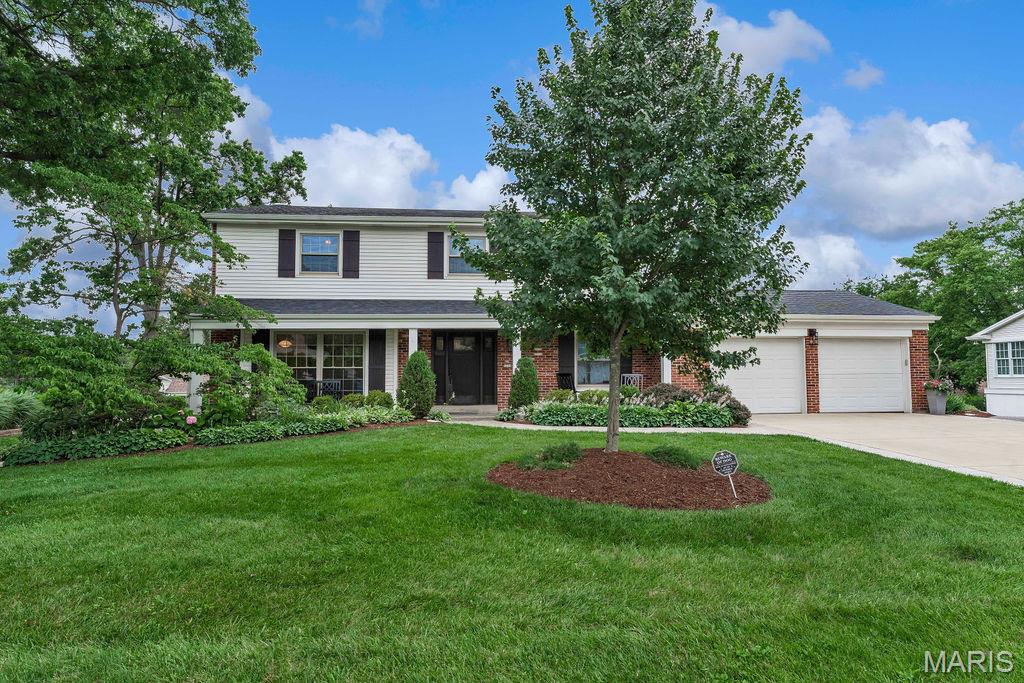
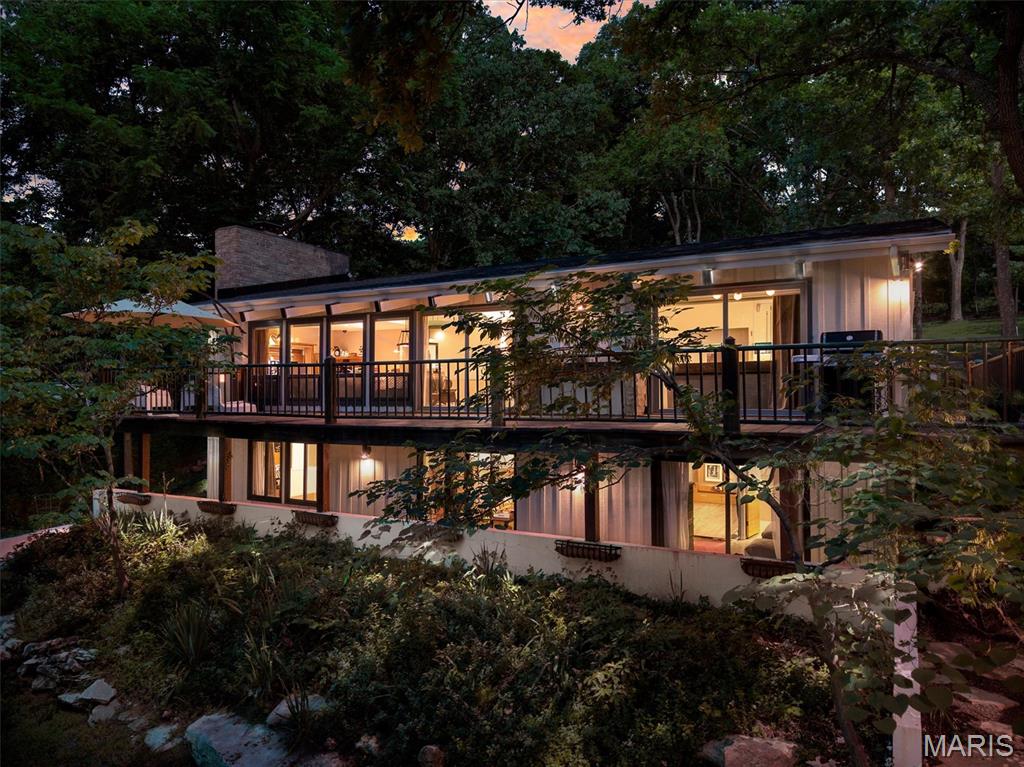
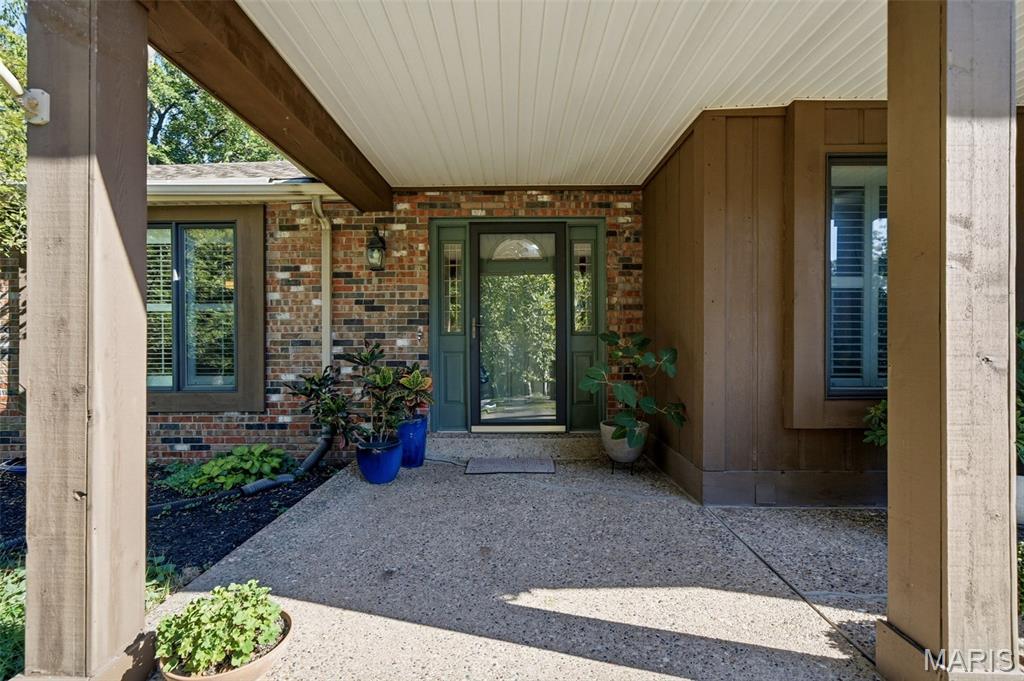
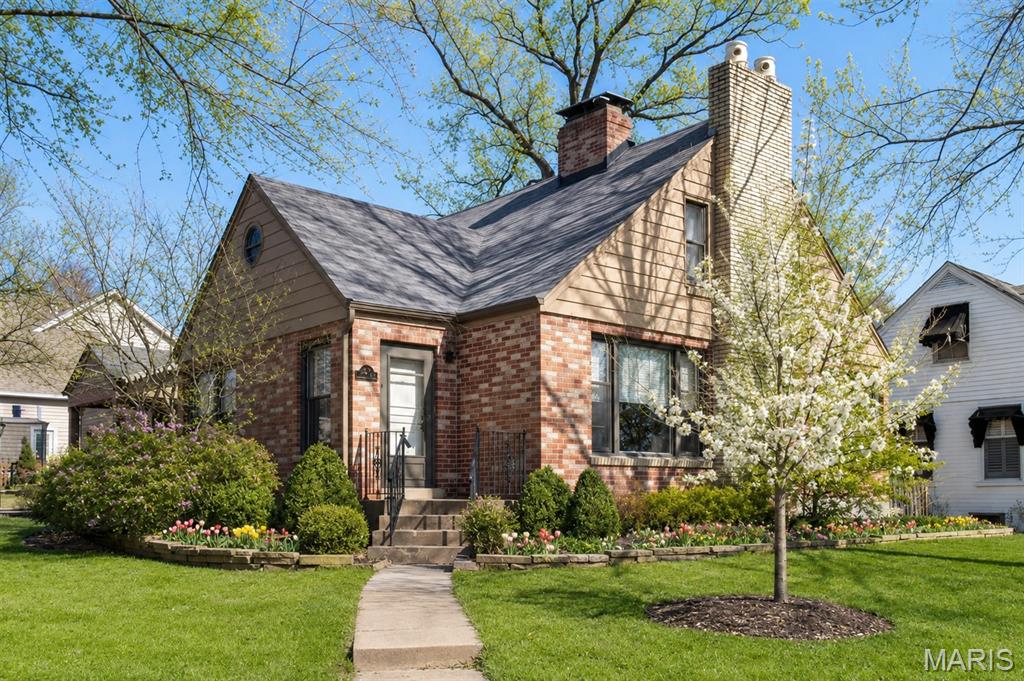
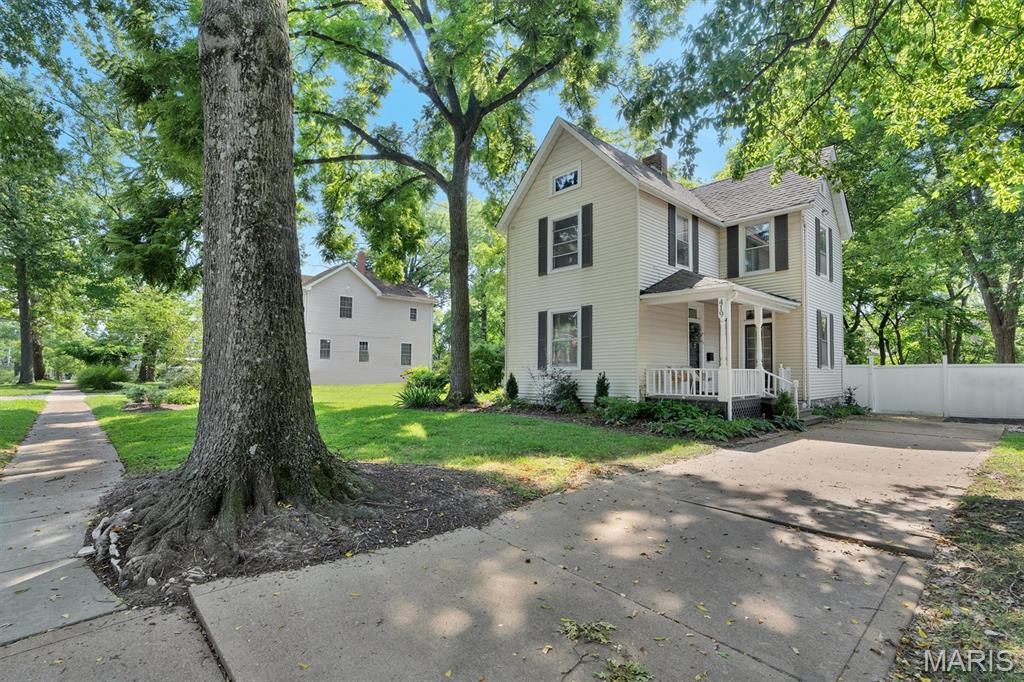
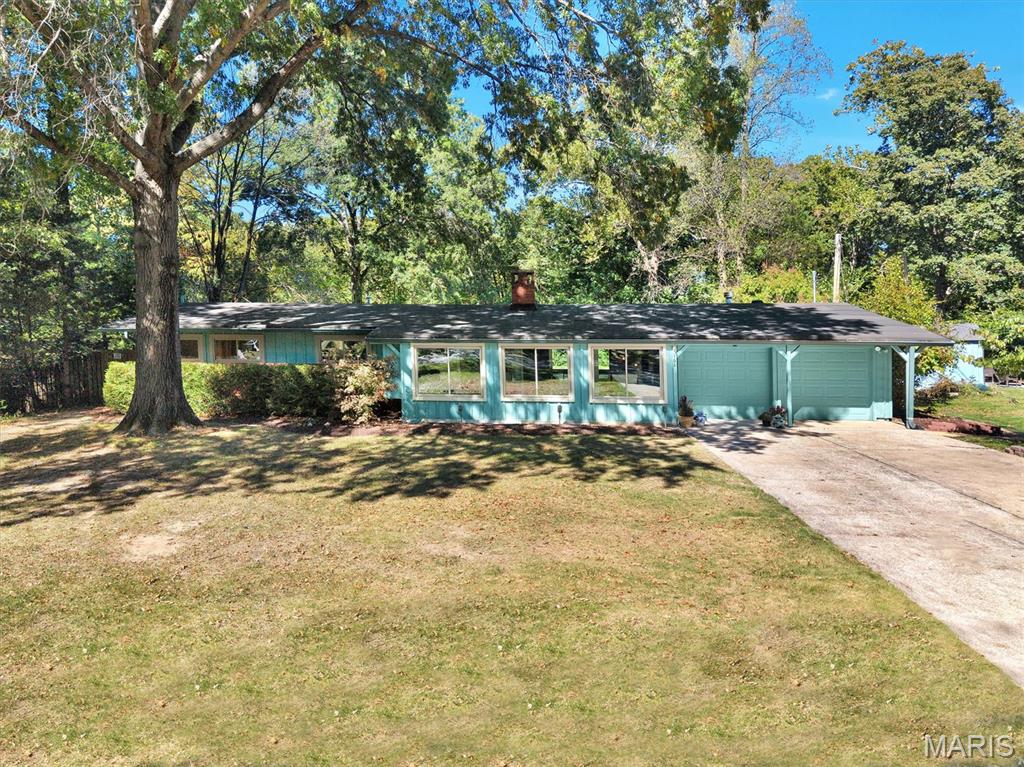
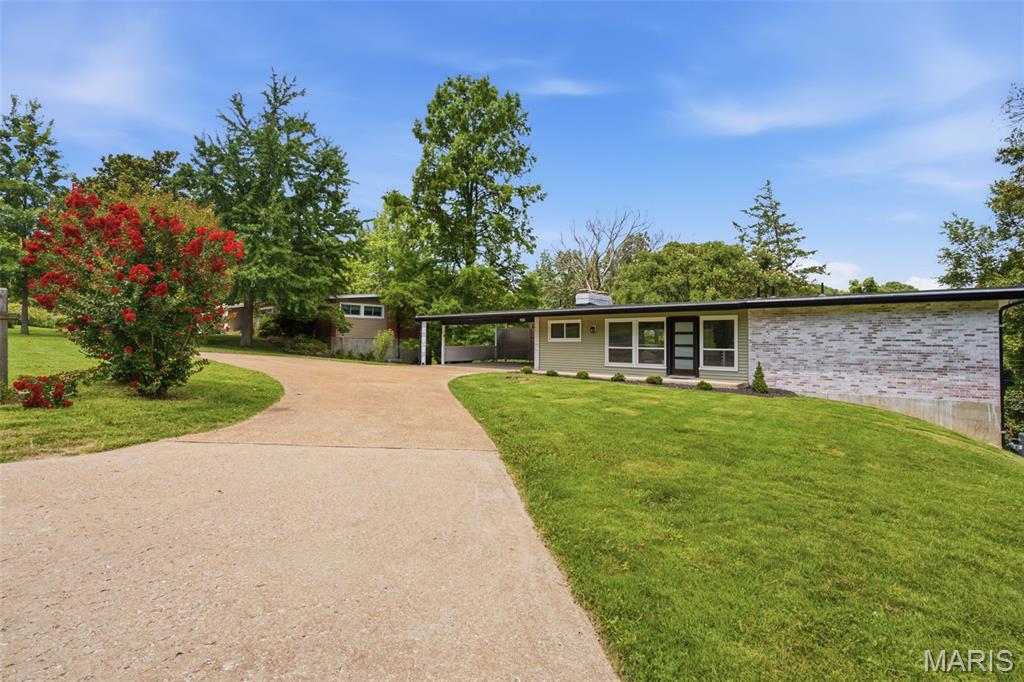
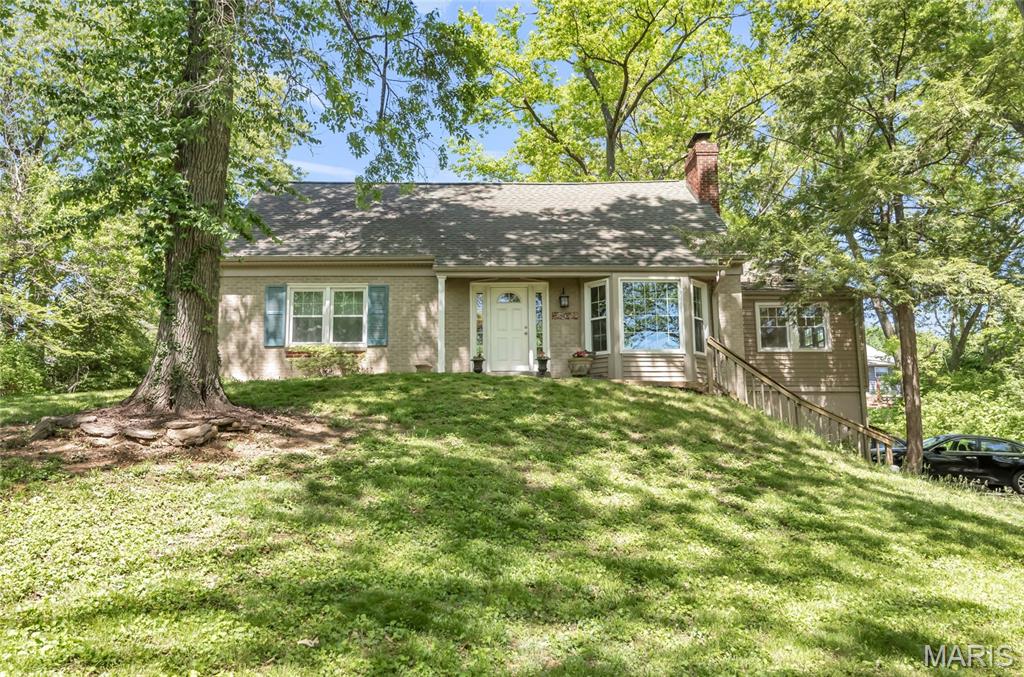
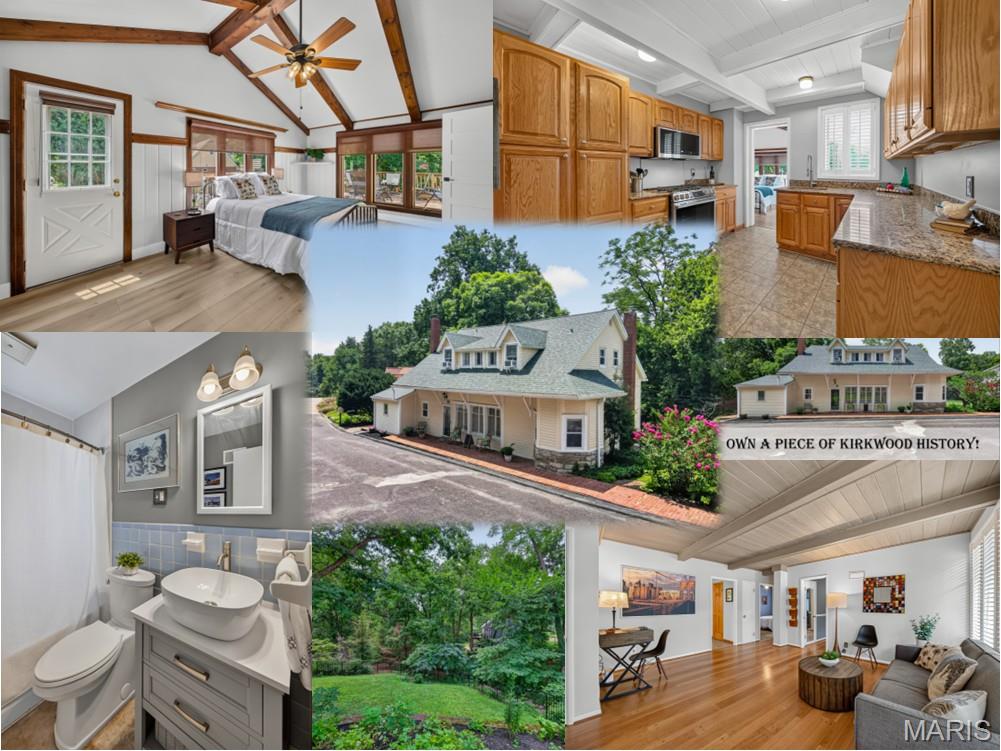
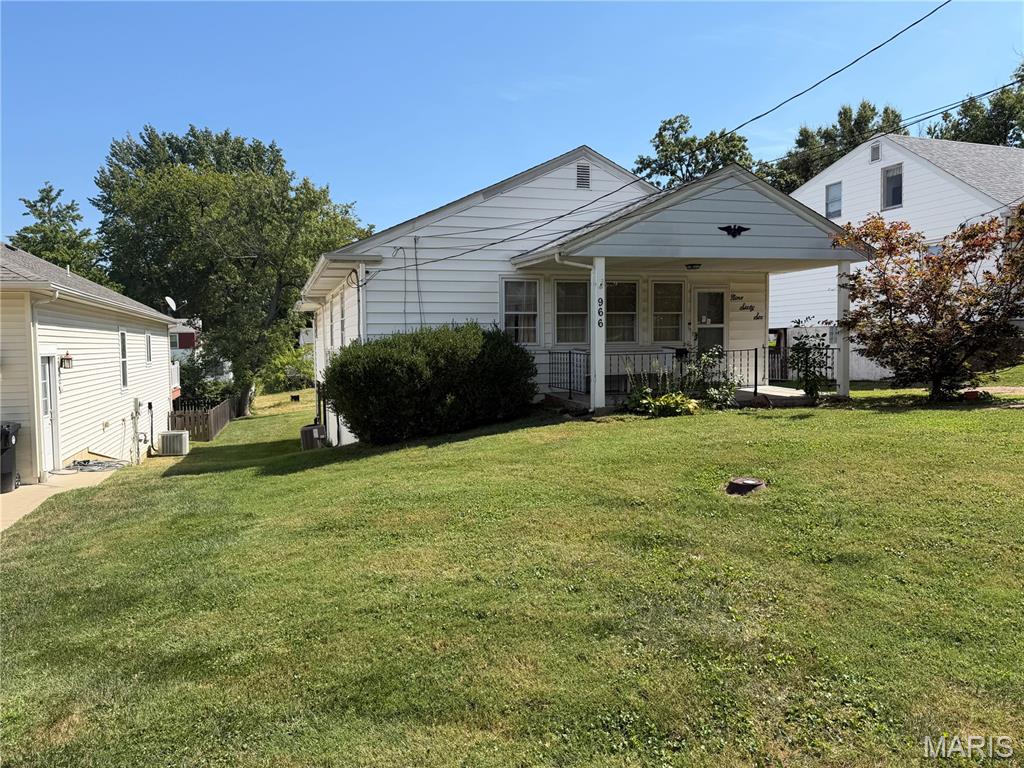
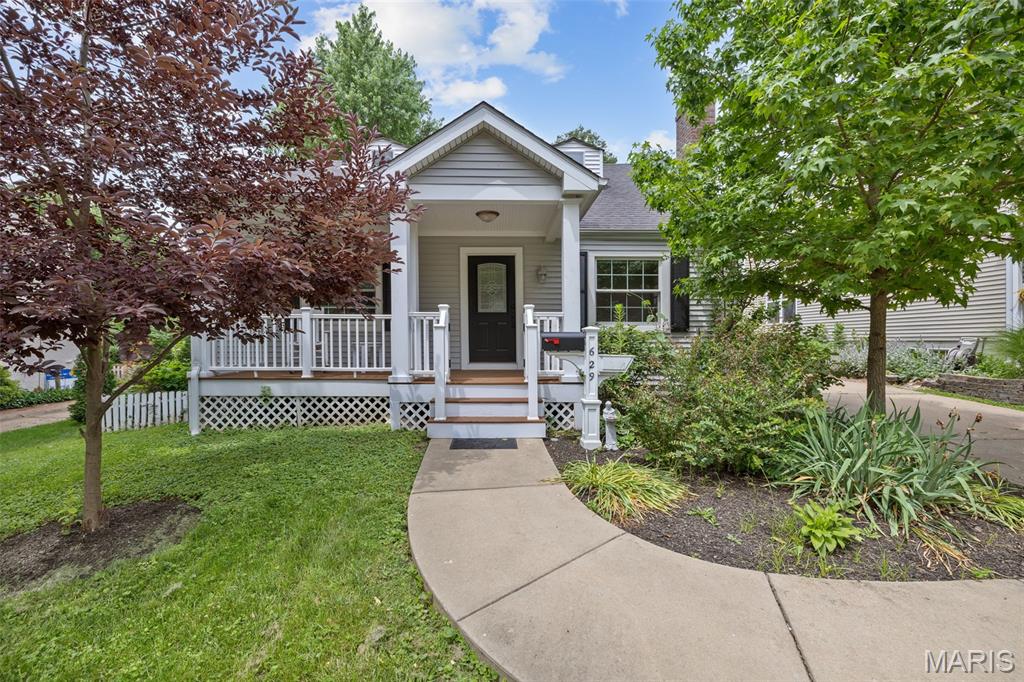
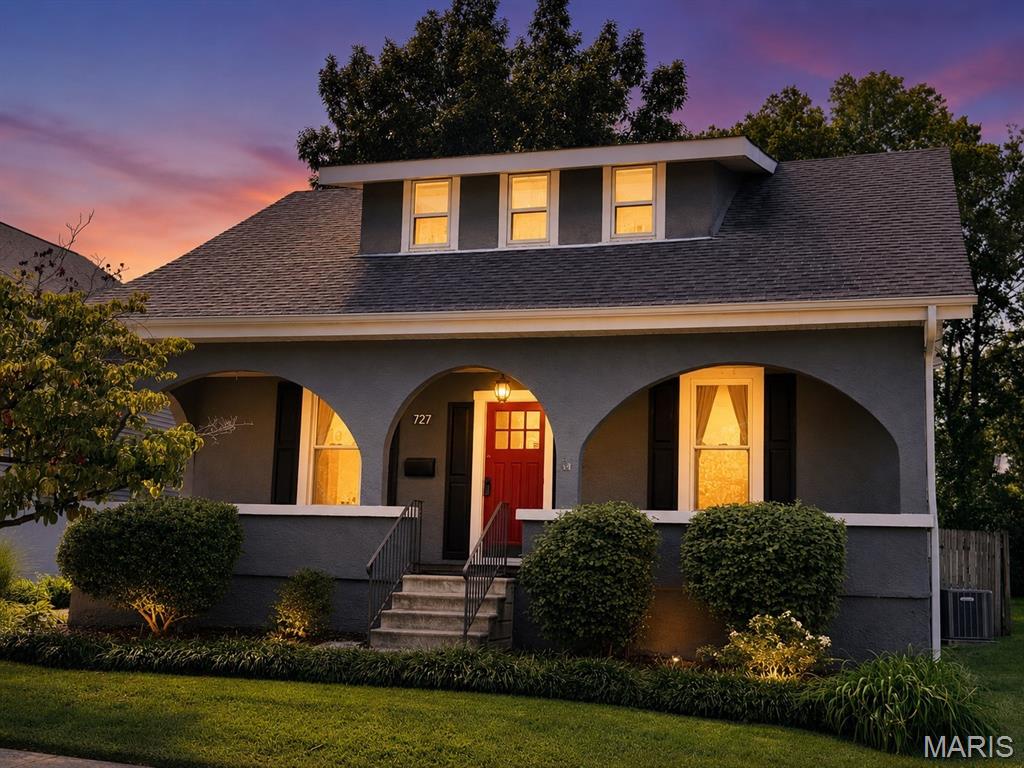
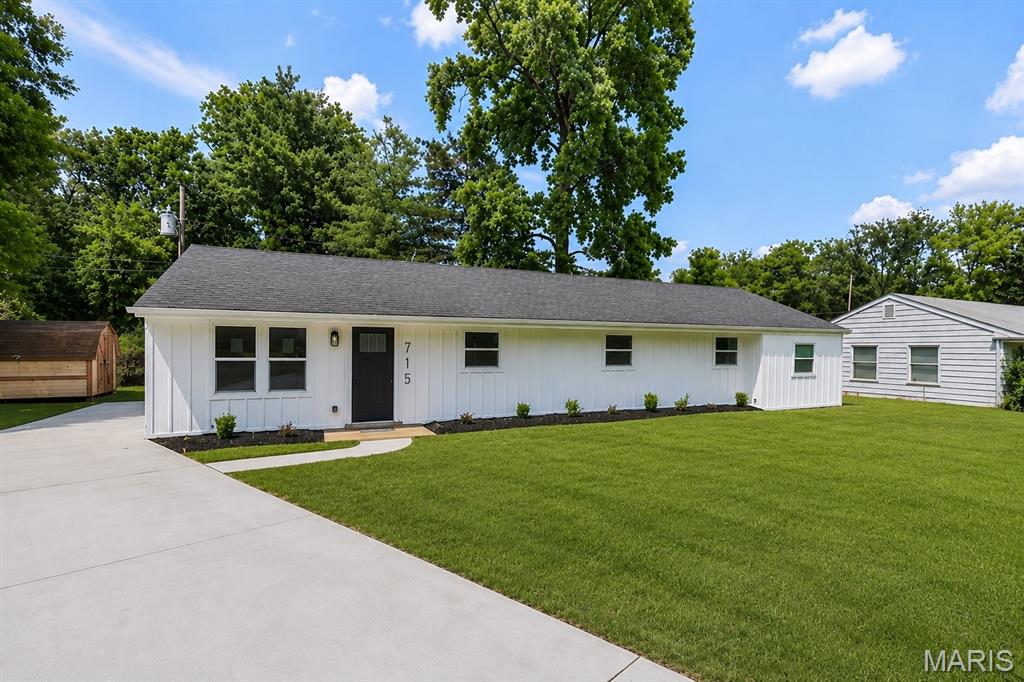
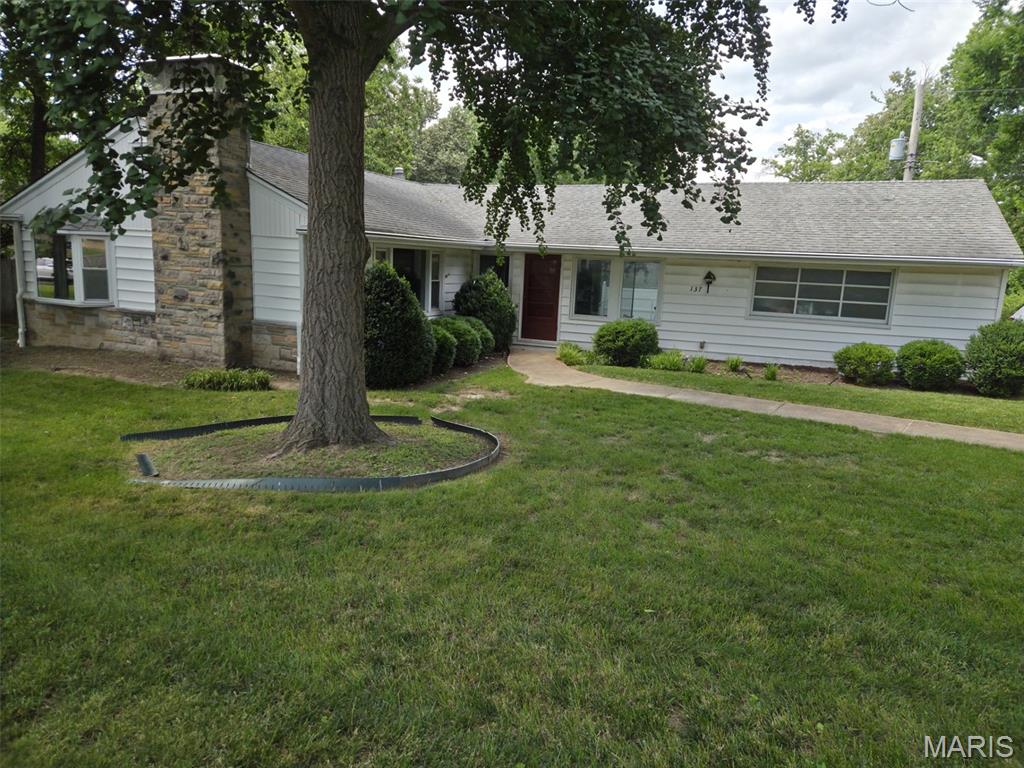
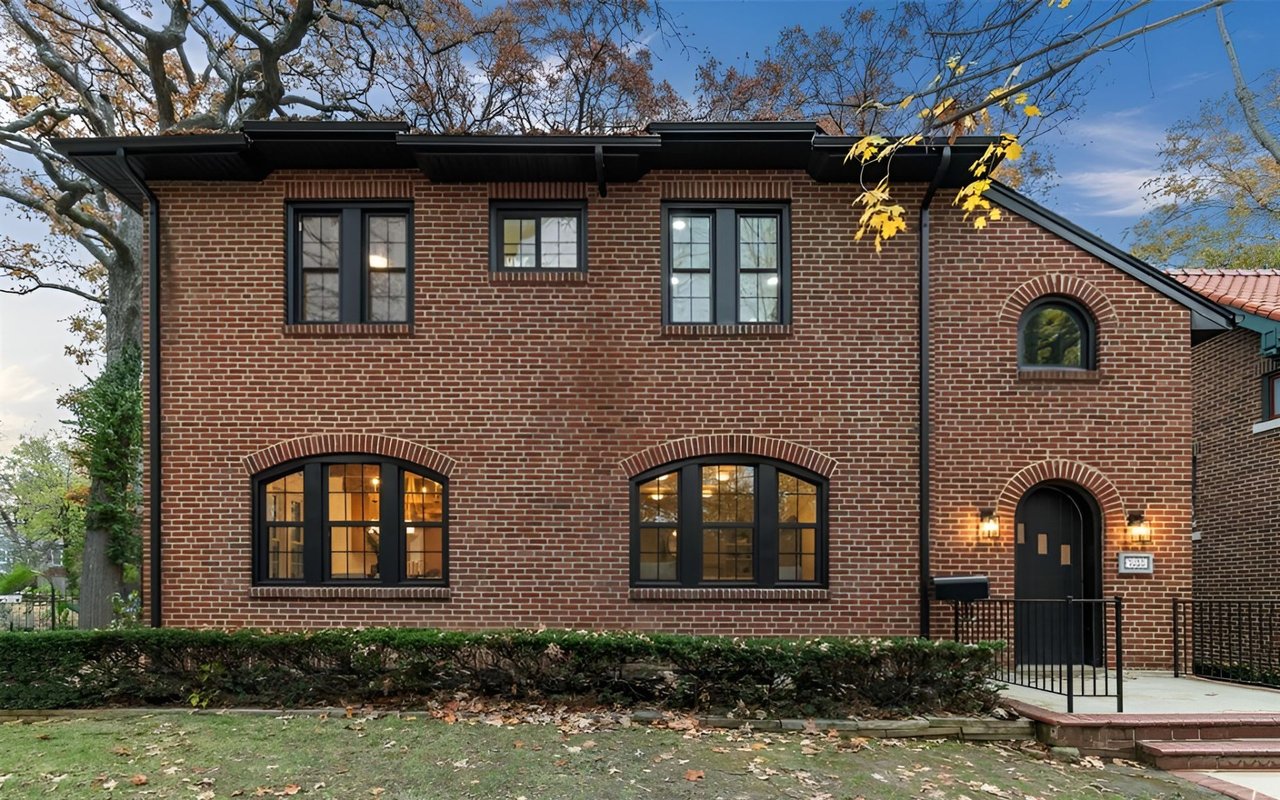
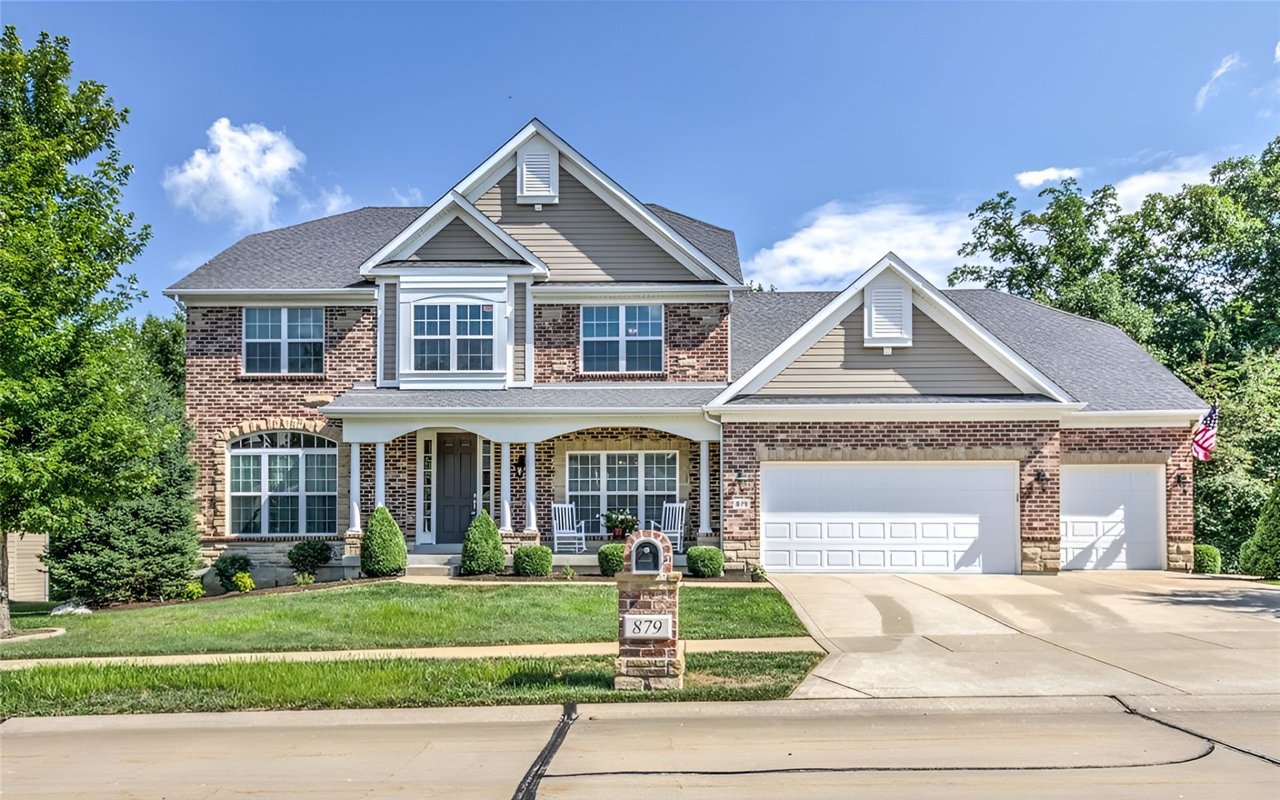
Architecturally, Kirkwood reflects successive waves of growth. Early homes include Victorian, Folk Victorian, and Colonial Revival styles near the historic core. Post-World War II expansion introduced brick ranch homes and modest mid-century houses, particularly south and west of downtown. Preservation efforts in later decades helped protect historic districts while allowing thoughtful infill and renovation.
Today, Kirkwood’s identity is shaped by deliberate revitalization rather than rapid redevelopment. Investments in downtown, zoning controls, and historic preservation have allowed the city to modernize without losing its small-town character. This balance of heritage, livability, and civic engagement is central to Kirkwood’s current appeal.
Location & Geography
Kirkwood is located in west-central St. Louis County, approximately 14 miles southwest of Downtown St. Louis. It is considered an inner-ring suburb, offering close proximity to the city while maintaining a distinct residential and community-oriented environment.
General boundaries include:
- North: Manchester Road corridor
- East: Webster Groves and Shrewsbury
- South: Crestwood and Sunset Hills
- West: Des Peres
The neighborhood is strategically positioned near major transportation routes. Interstate 44 runs just north of Kirkwood, providing direct access to downtown St. Louis and western suburbs. Lindbergh Boulevard (US-67) serves as a key north-south arterial, while Manchester Road supports commercial activity and regional connectivity.
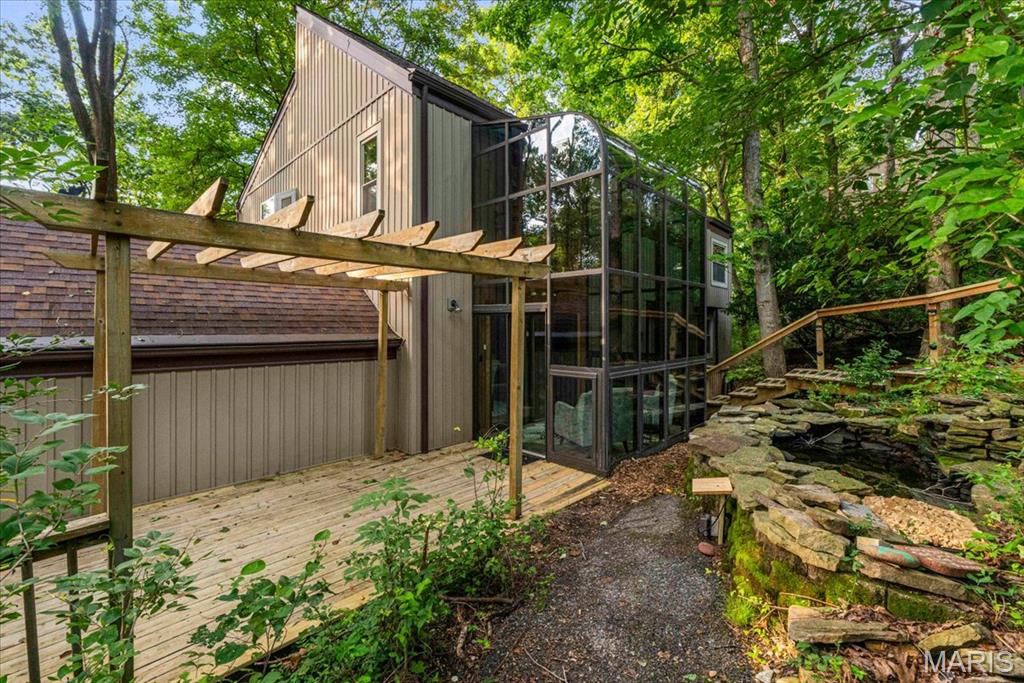
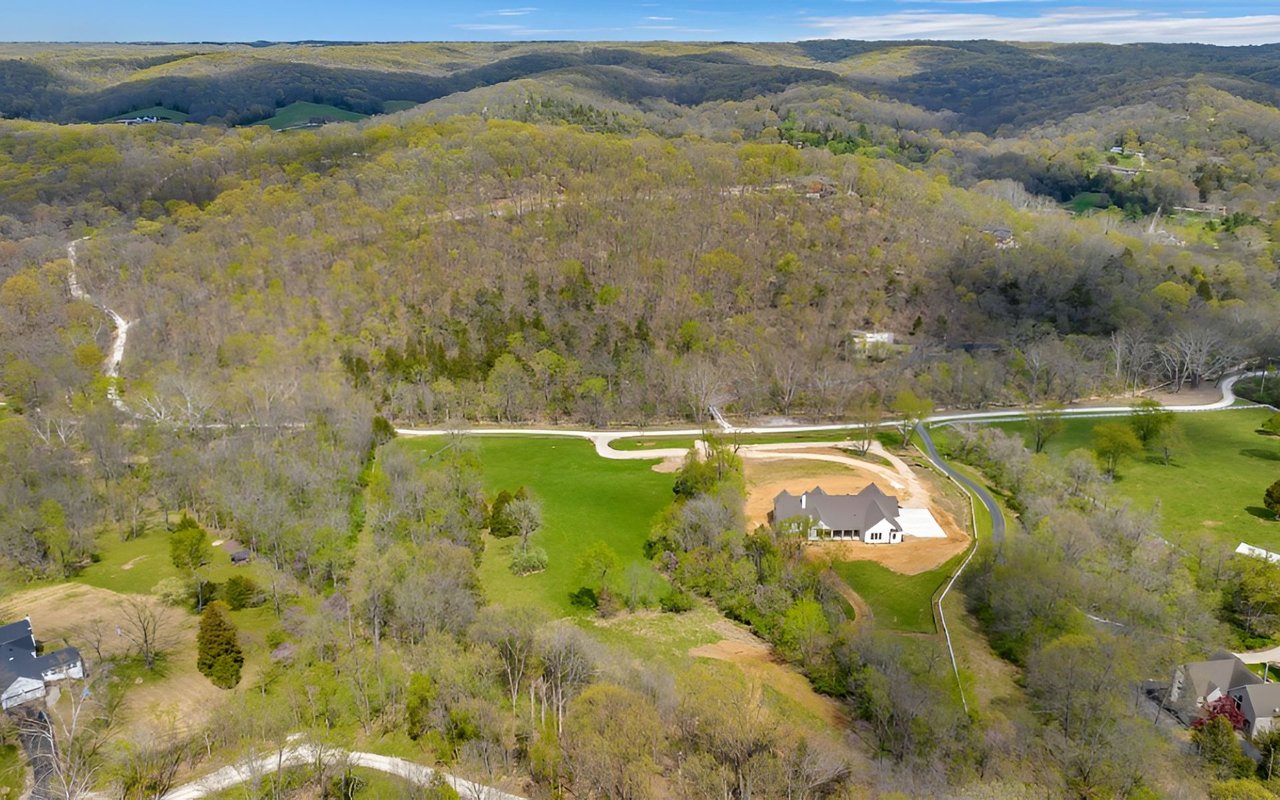
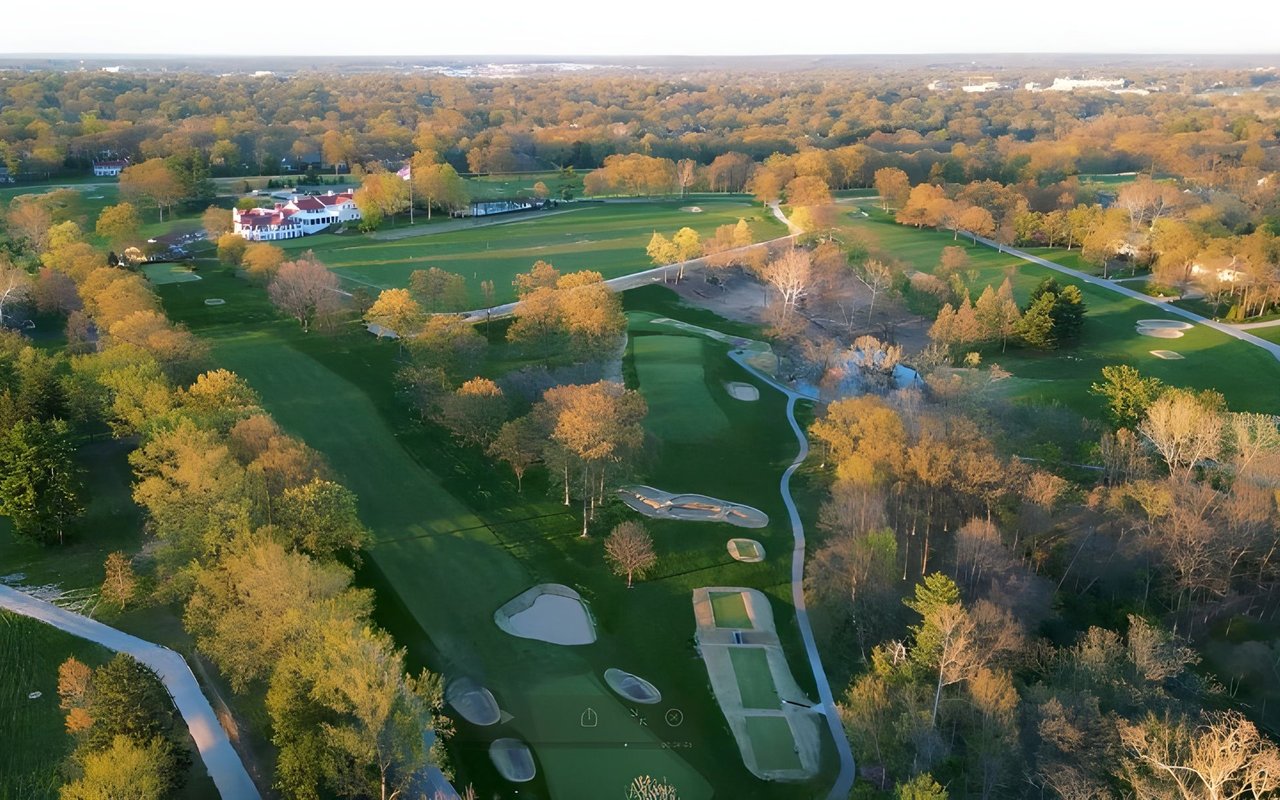
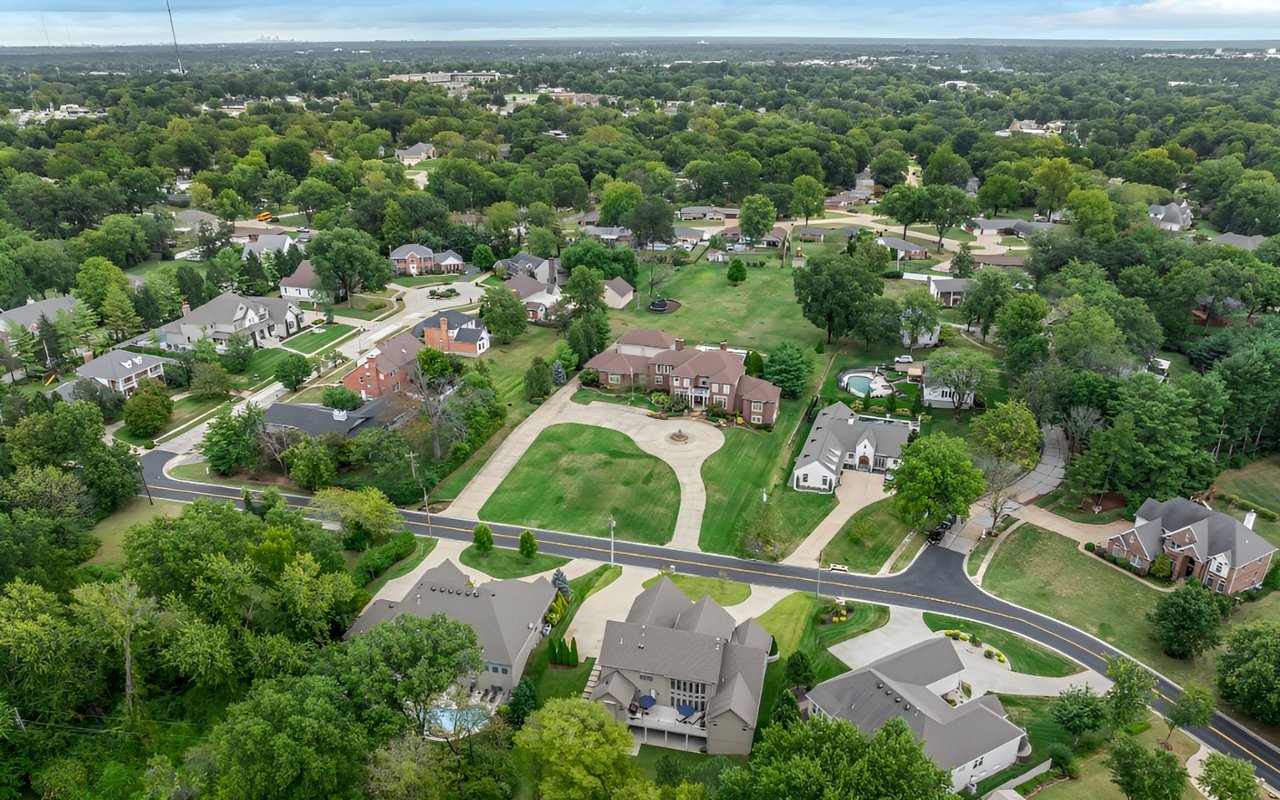
Topographically, Kirkwood features gently rolling terrain typical of central Missouri, with mature tree canopies and well-established residential streets. The area is largely developed, but green space is integrated through neighborhood parks, school grounds, and tree-lined corridors rather than large undeveloped tracts.
The climate is humid continental, with four distinct seasons. Summers are warm and humid, winters are cold with occasional snowfall, and spring and fall are moderate—conditions that support year-round outdoor use of parks and walkable streets.
Natural surroundings are subtle but influential. Kirkwood’s landscape emphasizes urban greenery over wilderness, with creeks, park systems, and residential green buffers contributing to its calm, livable feel rather than dramatic natural features.
Real Estate Market Snapshot
Kirkwood’s real estate market is consistently one of the strongest in St. Louis County, driven by limited inventory, high owner-occupancy, and sustained demand from families and move-up buyers. The market favors long-term value stability rather than short-term volatility.
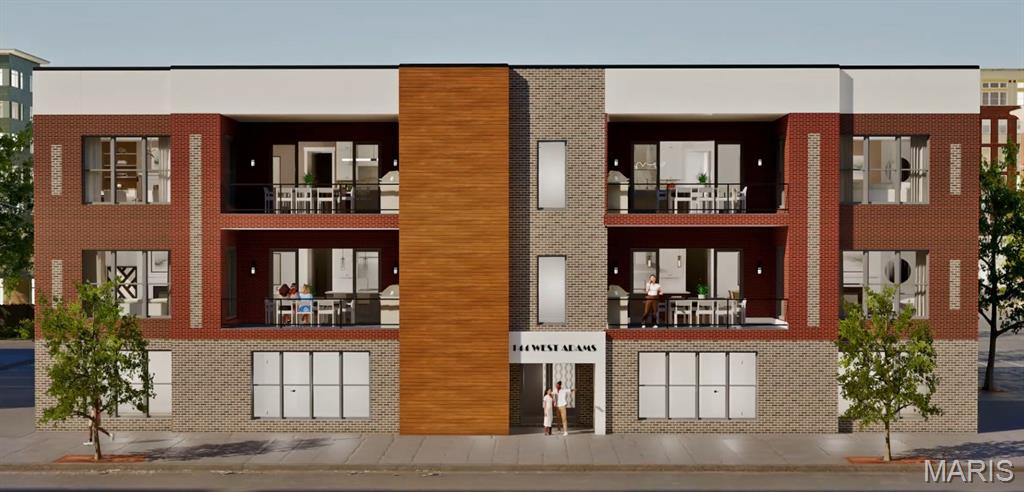
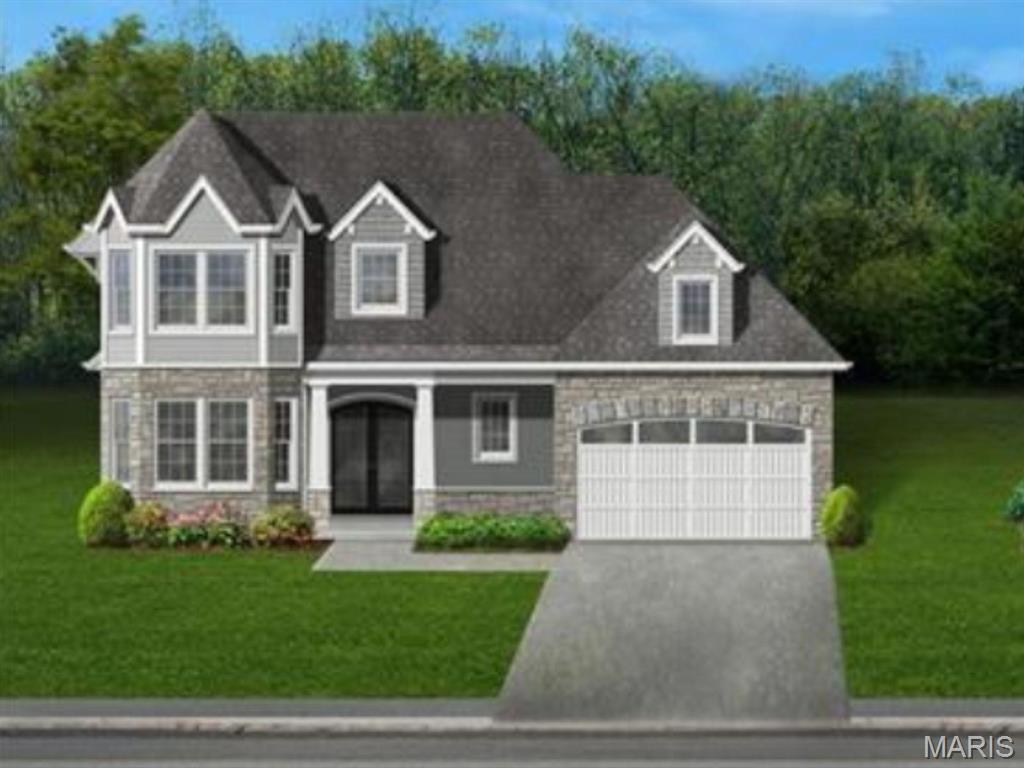
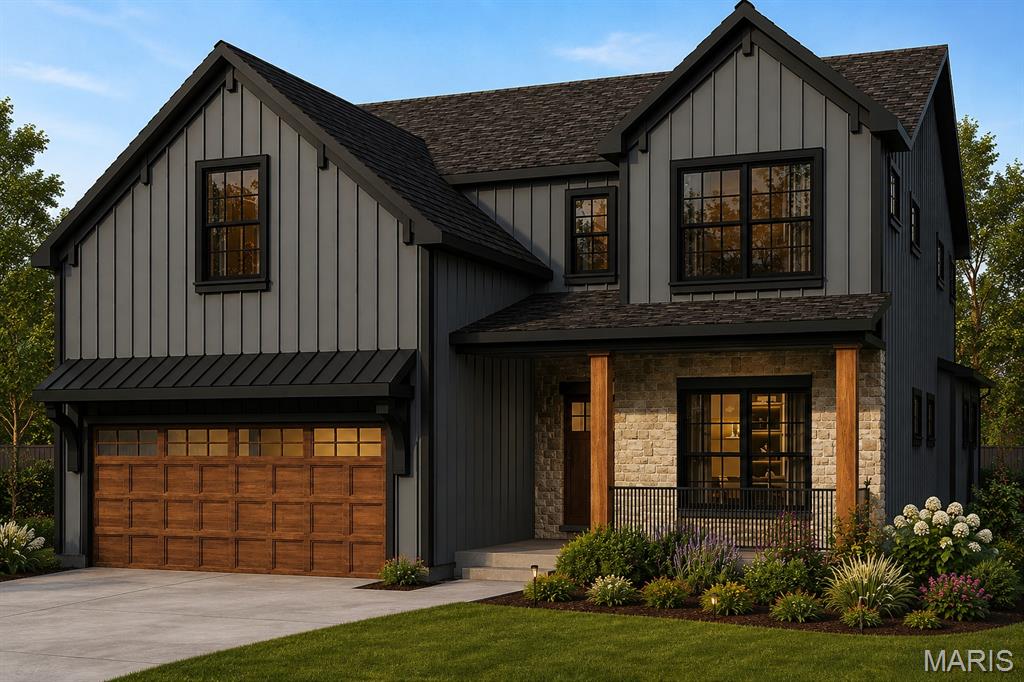
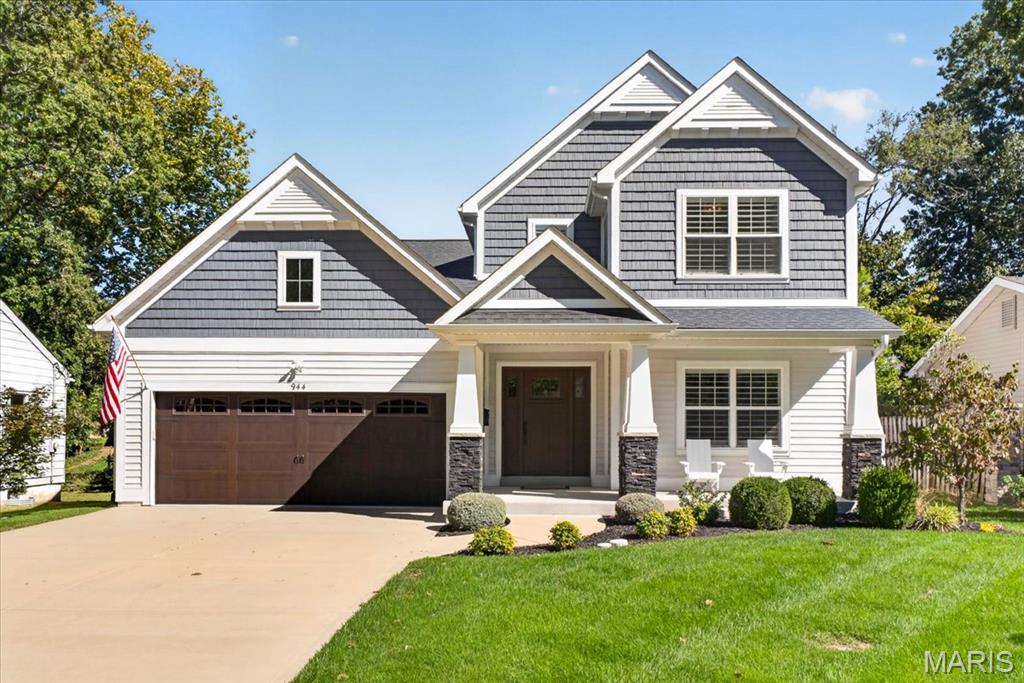
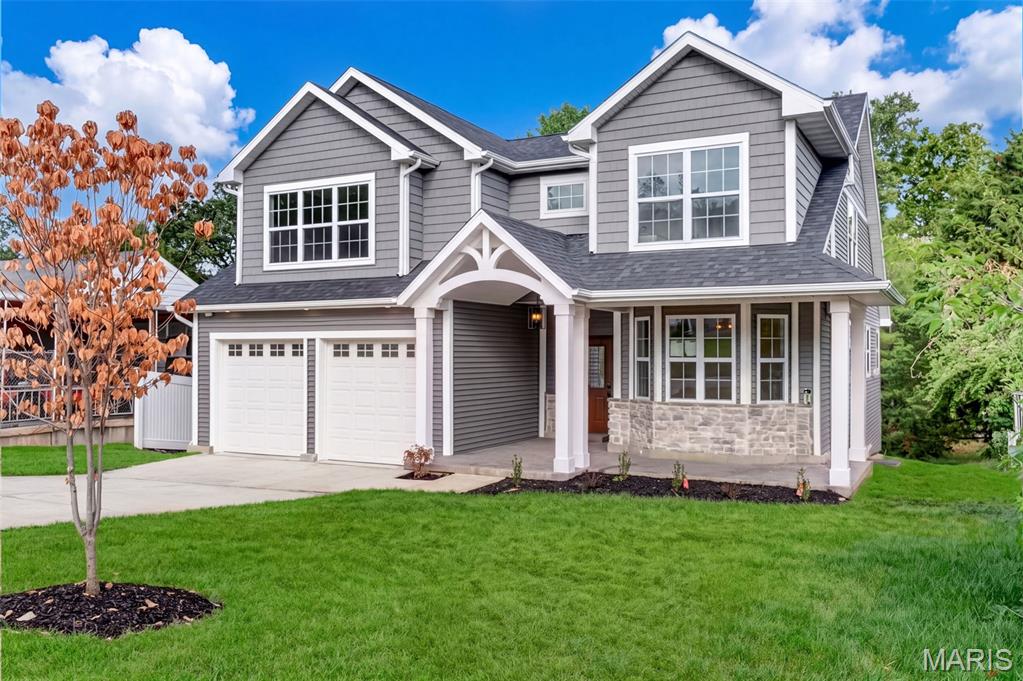
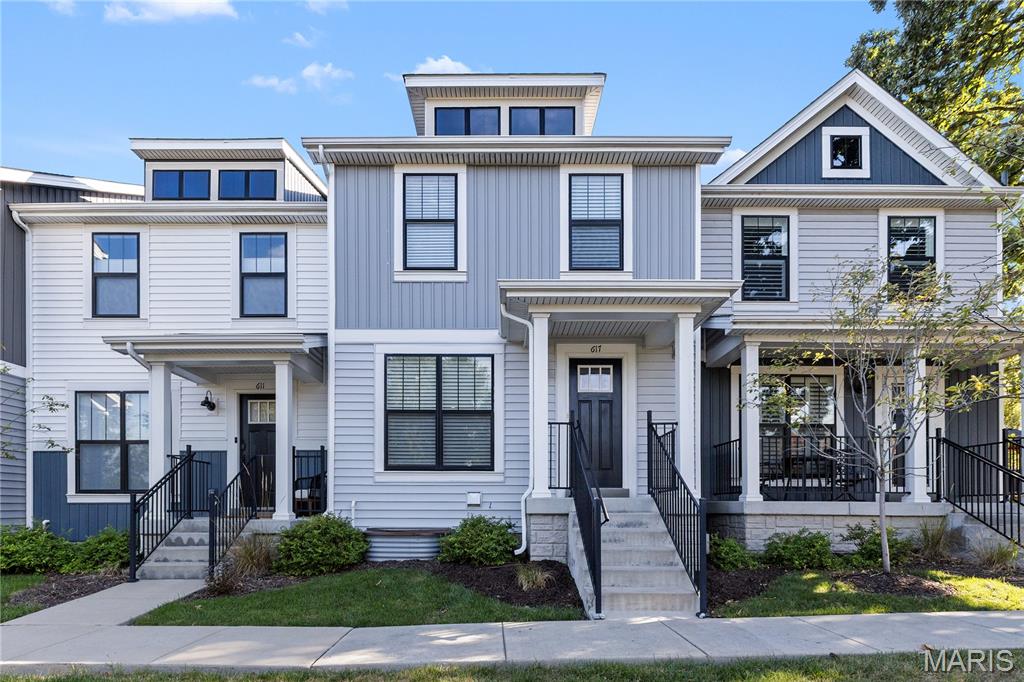
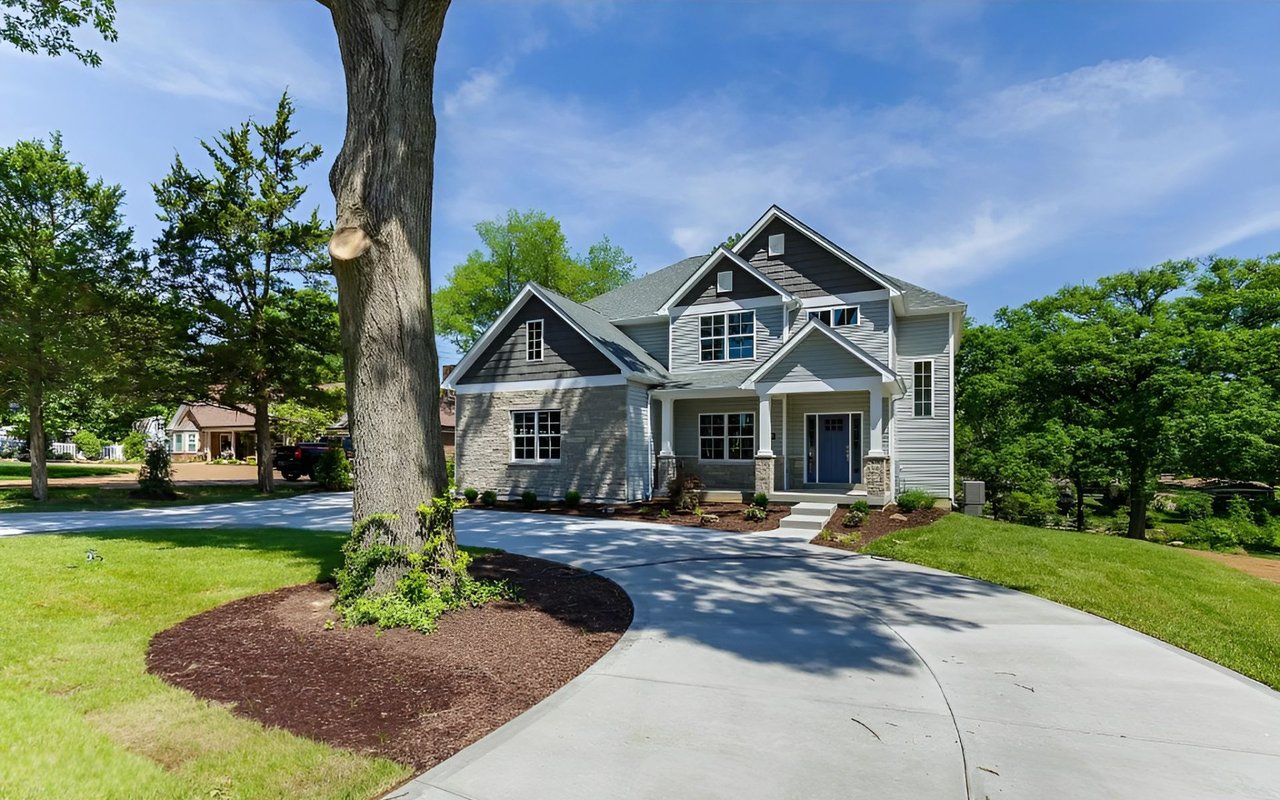
Home prices in Kirkwood are above the county average, reflecting school quality, walkability, and historic character. Entry-level homes are limited, with most properties falling into mid-range to upper-mid pricing. Renovated historic homes and newer custom builds near downtown command premium pricing.
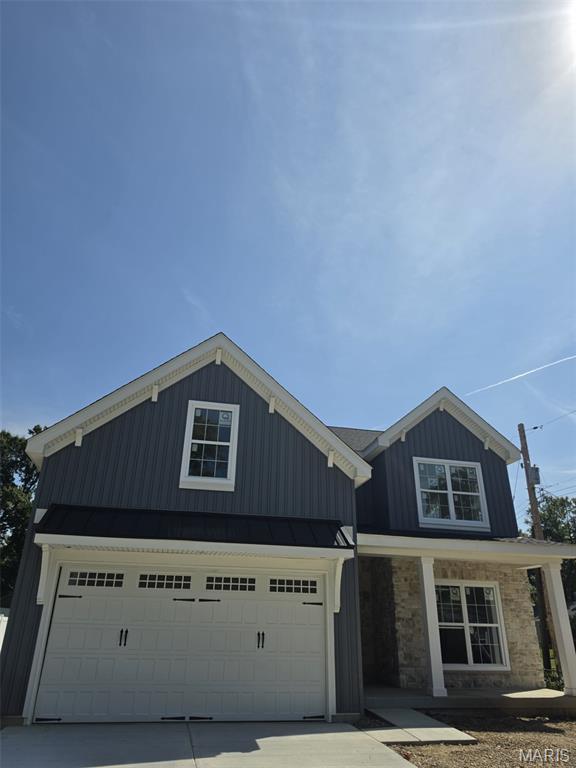
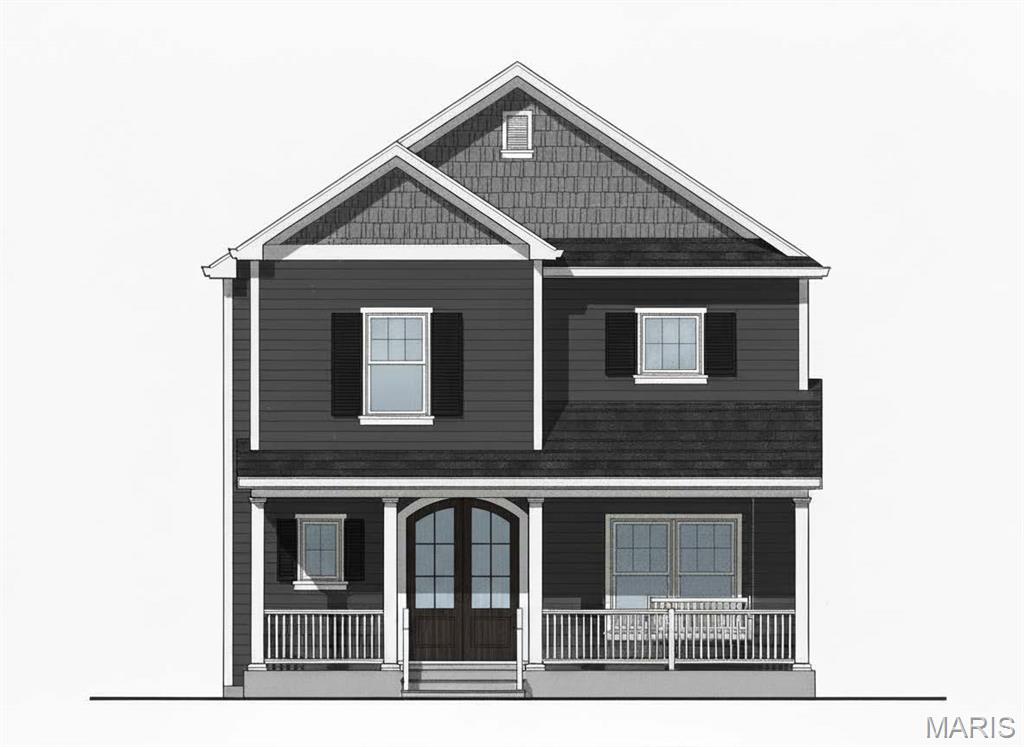
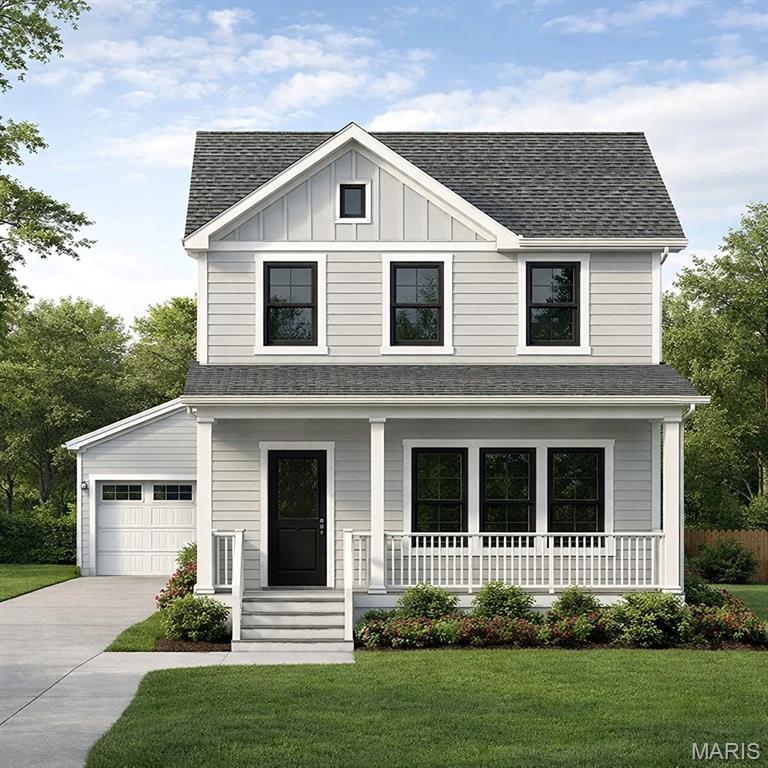
Inventory tends to remain tight year-round. Many homes sell through private networks or receive multiple offers shortly after listing. New construction is constrained by lot availability and zoning, which further limits supply and supports price appreciation.
Days on market are typically shorter than surrounding suburbs, especially for well-maintained homes priced appropriately. Properties near downtown, schools, and parks move fastest, while homes requiring significant updates may sit longer but still attract interest.
Appreciation trends in Kirkwood are steady and resilient. The neighborhood historically performs well during market slowdowns due to its established demand base and limited overbuilding. It is generally considered a stable, low-risk market for both homeowners and long-term investors.
Overall market conditions frequently lean seller-favorable, though pricing discipline still matters. Buyers face competition, while sellers benefit from strong demand but must meet high expectations for condition and presentation.
Relocation Tips
Relocating to Kirkwood is less about finding availability and more about preparation and fit. Advance planning and local knowledge are critical.
Key considerations for new residents:
- Start early: Inventory moves quickly, especially in spring and early summer.
- Prioritize location: Proximity to downtown, schools, and parks significantly affects pricing and resale.
- Be flexible: Renovation-ready homes may offer better entry points than turnkey listings.
- Understand zoning and permits: Kirkwood has strict regulations, especially for additions and teardowns.
For families, school boundaries are a major driver of home selection. Kirkwood School District is a primary draw, and homes within preferred attendance areas often command higher prices.
Commuters should evaluate access to I-44, Lindbergh Boulevard, and the Kirkwood Train Station early in the search process. Walkability varies by sub-area, and not all parts of Kirkwood offer the same pedestrian access.
New residents are encouraged to engage locally soon after moving. Community events, farmers markets, and civic organizations are central to social integration and reflect Kirkwood’s strong neighborhood identity.
Relocation success in Kirkwood depends on aligning expectations with market realities: limited supply, strong competition, and long-term value rather than bargain pricing.
Factors to Consider When Buying
Buying a home in Kirkwood requires balancing lifestyle priorities with market constraints. The neighborhood rewards informed buyers who understand both micro-location differences and regulatory expectations.
Key buying considerations include:
- Home age and condition: Many homes are older and may require updates to plumbing, electrical, or roofing.
- Historic restrictions: Properties in or near historic districts may have limitations on exterior changes or expansions.
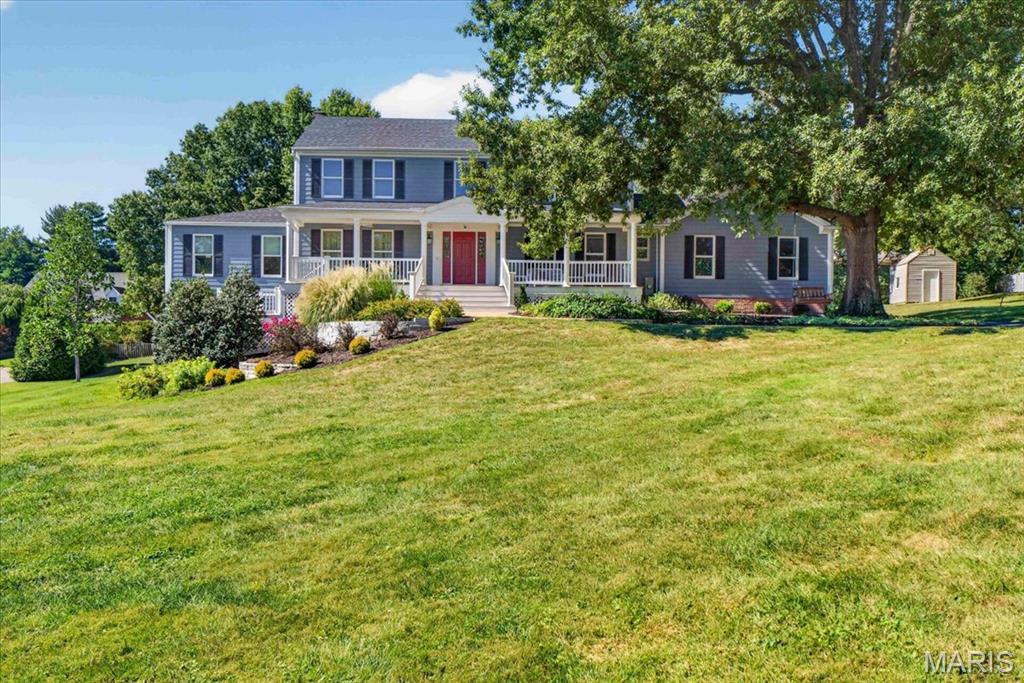
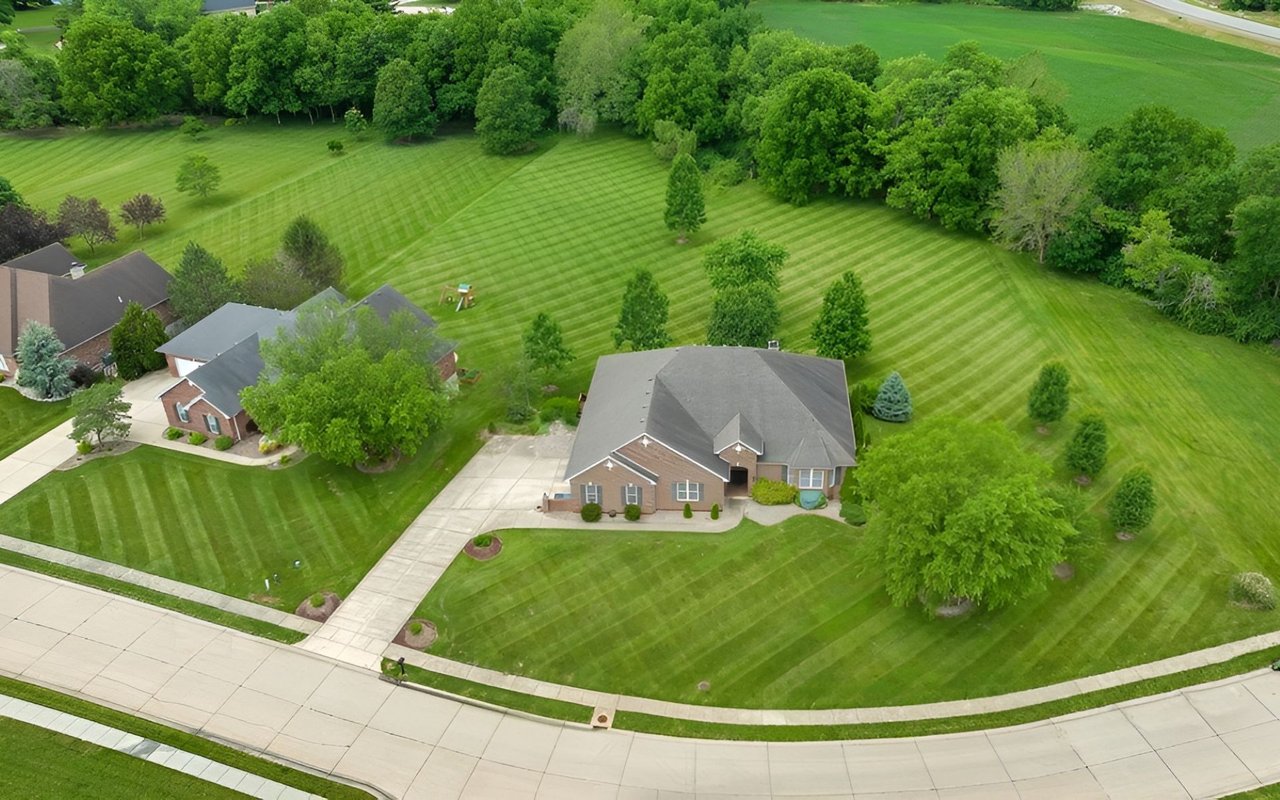
- Lot size and orientation: Smaller lots near downtown contrast with larger parcels in southern and western sections.
- Walkability variance: Not all areas offer equal access to downtown, parks, or schools.
School boundaries strongly influence pricing and long-term value. Homes within the Kirkwood School District typically carry a premium and experience stronger resale demand.
Renovation potential should be assessed carefully. Kirkwood enforces strict zoning, setback, and height regulations, which can limit expansion options. Buyers planning additions or teardowns should verify feasibility before purchase.
Competition is another defining factor. Multiple-offer situations are common, and buyers often need strong financing, clean terms, and realistic expectations on concessions.
Long-term suitability matters. Kirkwood appeals most to buyers seeking stability, community involvement, and ownership longevity rather than short-term turnover or speculative investment.
Factors to Consider When Selling
Selling in Kirkwood is advantageous, but not automatic. Buyers are discerning, and presentation and pricing strategy directly impact outcomes.
Primary selling considerations include:
- Pricing accuracy: Overpricing leads to longer days on market and weaker negotiating leverage.
- Condition and updates: Kitchens, bathrooms, and mechanical systems heavily influence buyer perception.
- Timing: Spring and early summer typically attract the deepest buyer pool.
- Lot value vs. home value: In some cases, land drives pricing more than the structure itself.
Historic charm is an asset when properly positioned. Original features such as hardwood floors, built-ins, and architectural details should be highlighted rather than obscured.
Staging and exterior presentation are critical. Curb appeal carries outsized weight in Kirkwood due to tree-lined streets and walkable neighborhoods where homes are closely compared.
Sellers should also prepare for informed buyers. Inspection scrutiny is high, and pre-listing repairs or disclosures can reduce renegotiation risk.
Successful sales in Kirkwood rely on disciplined pricing, strategic marketing, and a clear understanding of buyer expectations in a competitive, quality-driven market.
Dining and Entertainment
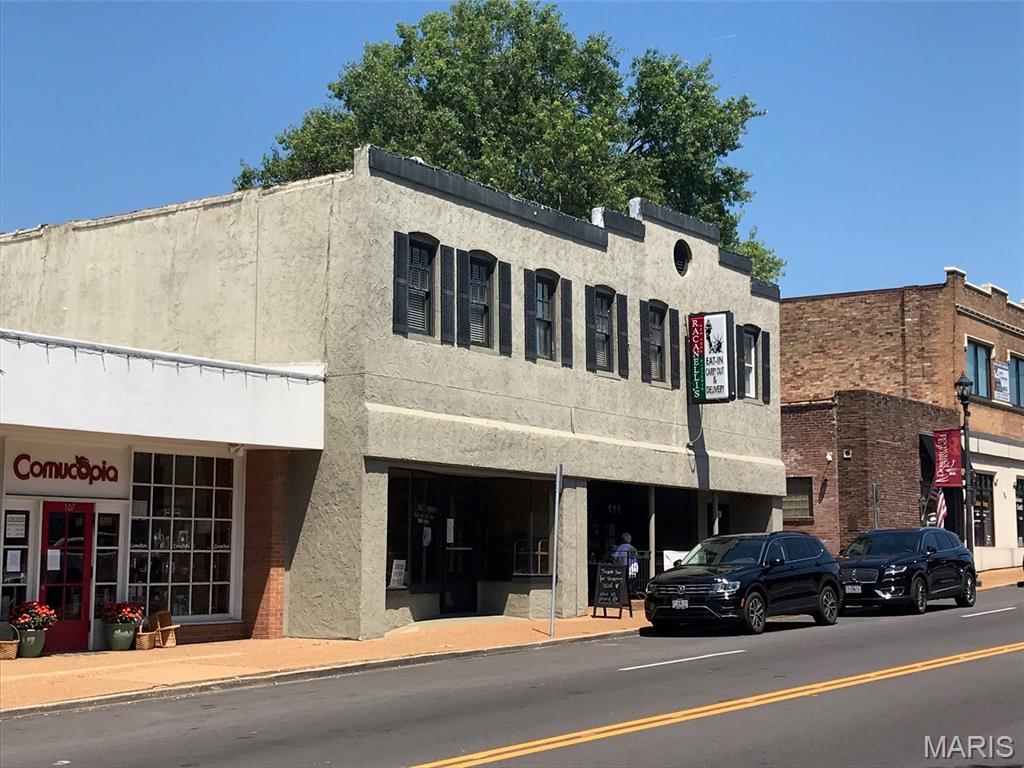
Kirkwood’s dining and entertainment scene is centered around its walkable downtown, emphasizing locally owned establishments over national chains. The atmosphere is community-focused, casual, and family-friendly, with a strong emphasis on quality and consistency rather than nightlife intensity.
Dining options range from long-standing local favorites to newer chef-driven concepts. Independent cafés, bakeries, and breakfast spots are particularly prominent, reflecting the neighborhood’s daytime foot traffic and commuter culture. Casual American fare, Italian, Mexican, and contemporary comfort food dominate the restaurant mix, with limited but well-regarded upscale options.
Entertainment in Kirkwood is understated and event-driven rather than nightlife-oriented. Seasonal festivals, farmers markets, outdoor concerts, and community events serve as primary social anchors. The historic Kirkwood Train Station and surrounding plaza frequently host gatherings that reinforce the neighborhood’s small-town feel.
For broader entertainment—concerts, professional sports, and late-night venues—residents typically travel to nearby areas such as Webster Groves, Clayton, or downtown St. Louis. Kirkwood’s appeal lies in convenience and atmosphere, not volume or trend-driven scenes.
Parks & Recreation
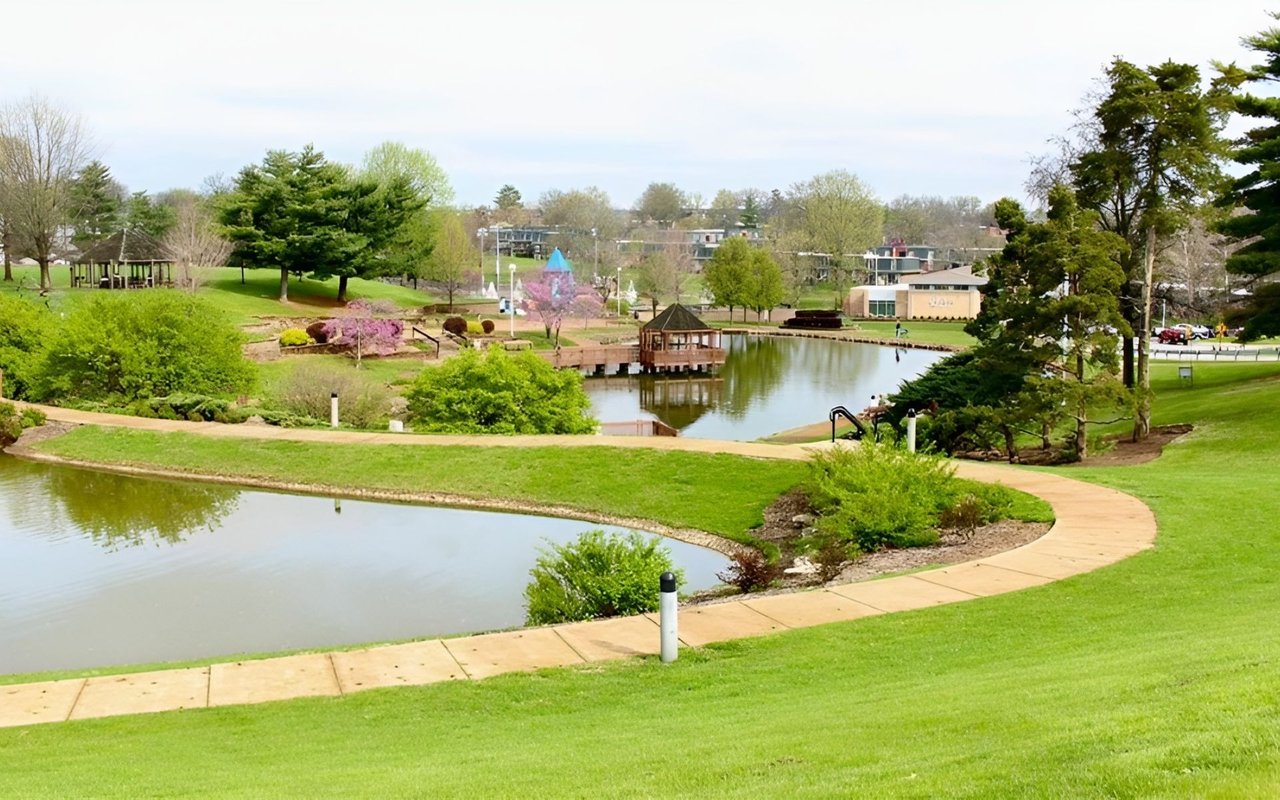
Kirkwood offers an extensive and well-maintained park system that supports both active and passive recreation. Parks are evenly distributed across the city, making green space accessible from most residential areas.
Key recreational features include:
- Neighborhood parks with playgrounds, picnic areas, and walking paths
- Athletic facilities for baseball, soccer, and organized youth sports
- Aquatic amenities, including a public aquatic center
- Community centers offering fitness programs, classes, and events
The city places a strong emphasis on youth and family recreation, with structured programs, summer camps, and seasonal leagues drawing consistent participation. Adult recreation is supported through fitness classes, walking trails, and open green spaces rather than large-scale wilderness amenities.
Kirkwood’s tree-lined streets and sidewalks also function as informal recreational assets, supporting walking, jogging, and biking within residential neighborhoods.
Overall, parks and recreation contribute significantly to Kirkwood’s livability, reinforcing its reputation as a community designed for long-term residents and active daily use rather than destination-style attractions.
Schools and Education
Education is one of Kirkwood’s primary draws and a key driver of housing demand. The city is served predominantly by the Kirkwood School District, which is consistently regarded as one of the stronger public school systems in St. Louis County.
The district includes multiple elementary schools, middle schools, and Kirkwood High School, known for its academic performance, athletics, and extracurricular depth. Emphasis is placed on college preparation, arts, and community involvement, which aligns with the neighborhood’s family-oriented profile.
Private and parochial school options are also readily available, offering alternatives for families seeking religious or specialized education. Several respected institutions are located within or just outside Kirkwood’s boundaries, reducing commute time for students.
For higher education, Kirkwood benefits from proximity to major universities and colleges in the St. Louis metro area. Washington University in St. Louis, Saint Louis University, and Webster University are all accessible within a short drive, making the area attractive to faculty, staff, and graduate students.
Overall, the strength and variety of educational options reinforce Kirkwood’s reputation as a long-term, stability-focused community rather than a transitional neighborhood.
Commute and Accessibility
Kirkwood offers strong regional accessibility while maintaining a residential feel. Its location allows residents to commute efficiently to employment centers across the St. Louis metro area.
Primary transportation advantages include:
- Interstate 44 access for direct routes to downtown St. Louis and western suburbs
- Lindbergh Boulevard (US-67) for north–south connectivity
- Manchester Road for commercial and local travel
Public transportation is anchored by the Kirkwood Train Station, which serves Amtrak routes and provides a unique commuting and travel option not commonly found in suburban neighborhoods. While daily rail commuting is limited compared to major transit hubs, the station adds regional connectivity and convenience.
Driving remains the dominant commute mode. Typical travel times to downtown St. Louis, Clayton, and Webster Groves are manageable, making Kirkwood appealing to professionals who want suburban living without long daily commutes.
Pedestrian and bicycle accessibility varies by sub-area. Downtown Kirkwood is highly walkable, while outer residential sections are more car-dependent but still benefit from sidewalks and low traffic volumes.
Kirkwood’s accessibility supports a balanced lifestyle: close enough to major employment centers, yet insulated from the congestion and density of the urban core.
Why People Love Kirkwood
Kirkwood’s appeal is rooted in balance. It offers the stability and familiarity of a long-established suburb while providing walkability, civic engagement, and a defined downtown that many newer communities lack.
Lifestyle advantages are practical and emotional. Residents value the ability to walk to shops, parks, schools, and events, reducing reliance on cars for daily activities. Community traditions, seasonal festivals, and long-standing local businesses create a strong sense of belonging and continuity.
Quality of life is reinforced by thoughtful city planning, well-maintained public spaces, and active local governance. Kirkwood feels orderly without being rigid, and lively without being crowded. The environment supports families, professionals, and long-term residents equally.
Convenience plays a significant role. Proximity to major highways, nearby employment centers, and regional amenities allows residents to live locally without feeling isolated. At the same time, Kirkwood avoids the density and pace of more urban neighborhoods.
Emotionally, Kirkwood resonates with buyers seeking permanence. It is often chosen not as a stepping stone, but as a place to settle, raise families, and stay for decades.
Most Coveted Streets & Estates
Demand within Kirkwood varies by micro-location, with certain streets and areas consistently commanding premium attention.
Highly sought-after areas include:
- Streets near downtown and the Kirkwood Train Station for walkability and historic charm
- Established blocks near top elementary schools and community parks
- Tree-lined streets with larger lots and limited through traffic
- Pockets featuring restored historic homes and high-quality custom builds
Buyers often prioritize quiet residential streets over main corridors, while still seeking close proximity to downtown amenities. Homes with preserved architectural details, usable yards, and updated interiors tend to outperform comparable properties elsewhere in the city.
For sellers, micro-location within Kirkwood can significantly affect pricing, days on market, and buyer competition. Understanding these nuances is critical to accurate positioning.
Who Is Kirkwood For?
Kirkwood is best suited for buyers seeking long-term livability rather than short-term flexibility. It appeals strongly to families, professionals, and downsizers who value community identity, strong schools, and stable property values. It is an ideal fit for those who:
- Want a walkable downtown within a suburban setting
- Prioritize schools, parks, and civic involvement
- Prefer established neighborhoods over rapid-growth developments
- Value long-term appreciation and neighborhood continuity
As a whole, Kirkwood stands out as a place defined by consistency, care, and connection—qualities that continue to sustain its desirability across market cycles.