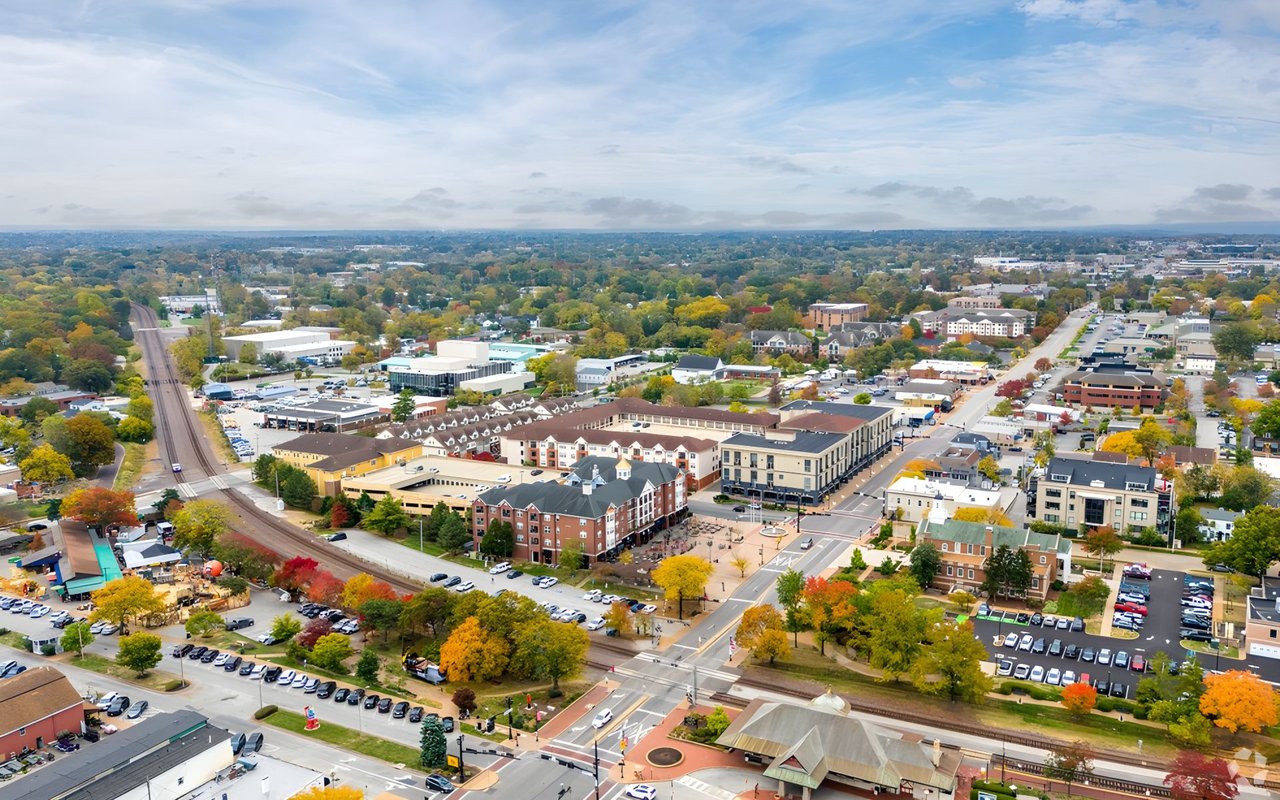
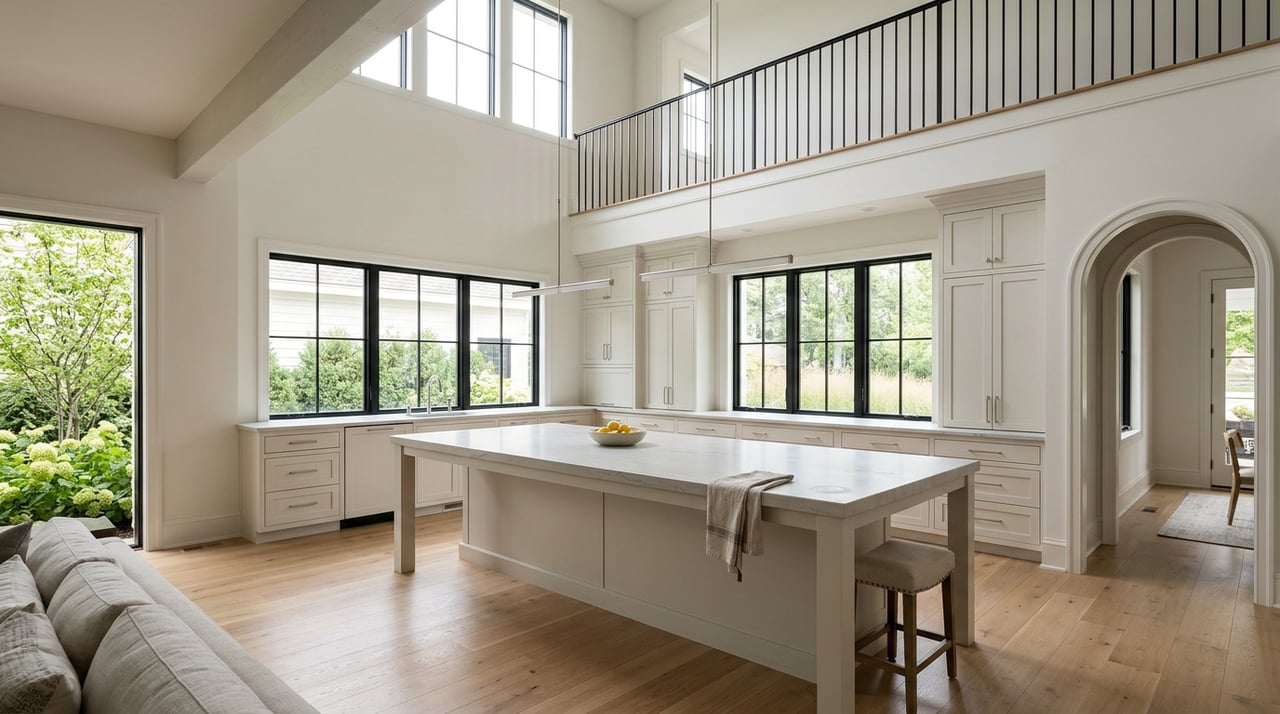
71,048 people live in St. Charles / St. Peters, where the median age is 38.9 and the average individual income is $49,196. Data provided by the U.S. Census Bureau.
Total Population
Median Age
Population Density Population Density This is the number of people per square mile in a neighborhood.
Average individual Income
Drive west out of St. Louis across the Missouri River and the landscape changes in a way that's hard to miss. The lots get wider, the subdivisions get newer, and the tax bills get smaller. That's St. Charles County, and its two anchor cities — St. Charles and St. Peters — form the practical, populated heart of it.
The two cities sit shoulder to shoulder along the I-70 corridor, but they don't feel the same. St. Charles is the older of the two by roughly two centuries. It was Missouri's first state capital, and its historic core still runs on brick-paved streets that slope down toward the river. Housing there ranges from French Colonial cottages in Frenchtown to 1960s country club ranches on Bogey Hills to brand-new construction inside a master-planned New Urbanist village. St. Peters grew up much later, mostly between the late 1970s and the early 2000s, and it shows in the best way: predictable subdivision layouts, two-story family homes on usable lots, cul-de-sacs, and one of the best municipal recreation complexes in the Midwest sitting right in the middle of it.
What they share is the reason most buyers end up looking here in the first place: you get more house, more land, and a lower tax burden than you'd get for the same money in St. Louis County, without giving up access to the region's employment centers. A Clayton commute from St. Peters runs about half an hour. Lambert Airport is fifteen to twenty minutes up I-70.
This guide covers what those two markets actually look like on the ground — which neighborhoods trade at which price points, which school district lines matter, and which local quirks (occupancy inspections, flood maps, CID assessments) can cost you money if nobody warns you about them in advance.
Your dollar buys more, and it keeps more. This is the headline, and it's genuinely true rather than marketing. Property tax rates in St. Charles County run meaningfully lower than in neighboring St. Louis County. On a comparable home, that difference compounds into thousands of dollars over a holding period, and it changes what buyers qualify for. The same budget that lands a dated three-bedroom in an inner-ring suburb will often land a larger, newer, updated home here — frequently with a bigger lot and a three-car garage.
The school districts are a genuine draw, not a consolation prize. Francis Howell, Fort Zumwalt, St. Charles City R-VI, and Wentzville consistently rank among the stronger public districts in Missouri. Families relocating into the St. Louis region from out of state very often start their search by drawing a box around these district boundaries and working inward from there.
The commute math works. Three river crossings serve the county, and they serve different destinations. MO-364 (the Page Avenue Extension) drops you into Maryland Heights, Creve Coeur, and Clayton without touching I-70. I-64/US-40 crosses the Daniel Boone Bridge into Chesterfield and the BJC/Washington University medical corridor. I-70 runs to the airport and downtown. Most buyers here don't commute to just one place, and having three good options is why the corridor holds value.
There's a real local job base. This matters more than people assume. Mastercard, Boeing, Enterprise, SSM Health, and BJC all maintain a significant regional presence, and a meaningful share of St. Charles County residents work within the county or just across the river. That keeps housing demand steady through soft patches rather than tying the market to a single employer or a single commute pattern.
The lifestyle amenities are unusually strong for suburban Missouri. The Katy Trail runs right through downtown St. Charles. The St. Peters Rec-Plex is a 236,000-square-foot facility with an Olympic-class natatorium and three ice rinks — the kind of thing most communities this size simply don't have. Frontier Park hosts festivals that draw regionally. These aren't small things when you're deciding where to spend the next fifteen years.
Both cities sit in the same county, share highway infrastructure, and overlap in school districts — but they serve noticeably different buyers, and pricing behaves differently in each.
St. Charles has the widest range of housing in the county, and that's both its appeal and its complication. Within a few miles you can find an 1880s brick row home on South Main, a 1930s Craftsman bungalow near Lindenwood University, a 1970s split-level in midtown, and a 2023 modern farmhouse in a New Town infill lot. Price per square foot swings hard depending on which of those you're looking at.
Demand is strongest for two things: well-maintained historic homes that have already been through the expensive work (electrical, HVAC, foundation, roof), and new or newer construction that offers modern layouts without the rehab risk. The gap between those two — the half-updated historic home where the kitchen is done but the knob-and-tube isn't — is where buyers get the most negotiating room, and where sellers most often get frustrated.
Buyers drawn to St. Charles tend to value walkability, river proximity, and the fact that there's an actual downtown with independent businesses in it. That's a different buyer than the one comparing square footage spreadsheets.
St. Peters is the county's most predictable market, and predictability has real value. The housing stock is concentrated in single-family subdivisions and low-maintenance townhomes built roughly between 1978 and 2005. Floor plans repeat across neighborhoods, which means comparable sales are abundant and pricing is relatively transparent. Appraisal problems are less common here than in markets with irregular inventory.
The buyer pool is broad — first-time buyers priced out of West County, growing families needing a fourth bedroom, and empty-nesters trading down into a ranch or townhome without leaving the area. Because St. Peters sits geographically between St. Charles and O'Fallon with direct access to both I-70 and MO-364, correctly priced homes here move quickly. When a St. Peters listing sits, it's almost always condition or price, rarely location.
The corridor currently sits in balanced-to-seller-favored territory. Well-presented, move-in-ready homes in strong school boundaries generate competitive activity and often sell above list. Older inventory with visible deferred maintenance sits, and buyers negotiate on it. Typical time on market across mid-tier price points runs roughly 30 to 45 days, though updated homes in the most competitive subdivisions can go under contract in a weekend.
Price is driven, in descending order of impact, by: school district boundary, condition of kitchen and primary bath, move-in readiness, usable outdoor living space, and highway access.
If you're buying: Get fully underwritten pre-approval, not a pre-qualification letter. Turn-key inventory in Francis Howell and Fort Zumwalt boundaries does not wait for buyers to think about it over the weekend.
If you're selling: Buyers here compare aggressively and they compare on condition. Cosmetic updates and honest pre-listing repairs consistently return more than the cost of the work, because the alternative is a buyer discounting your home against a competitor's finished one.
St. Charles County isn't one market. It's a collection of distinct pockets with different eras, price points, and personalities. Here's where to start.
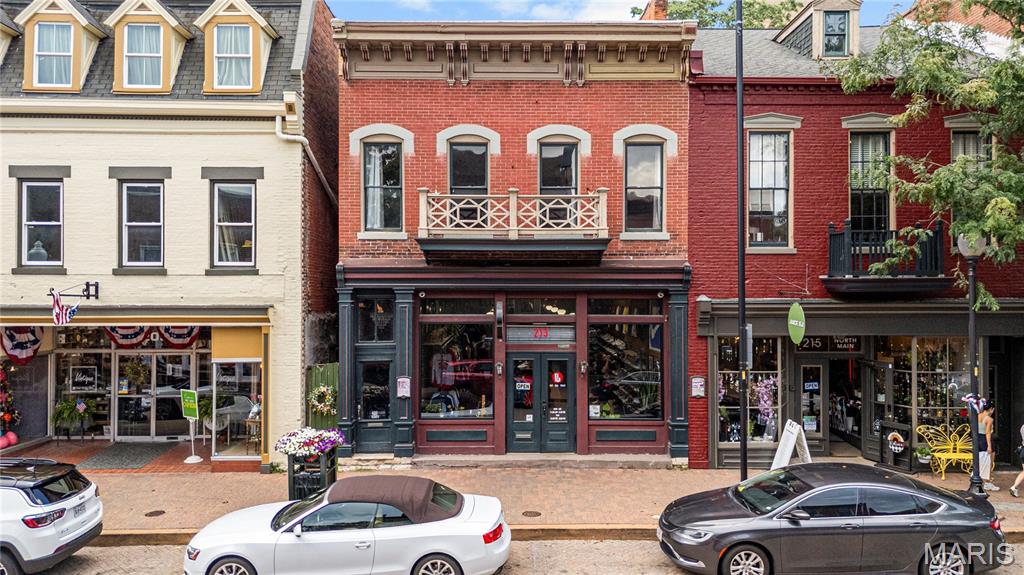
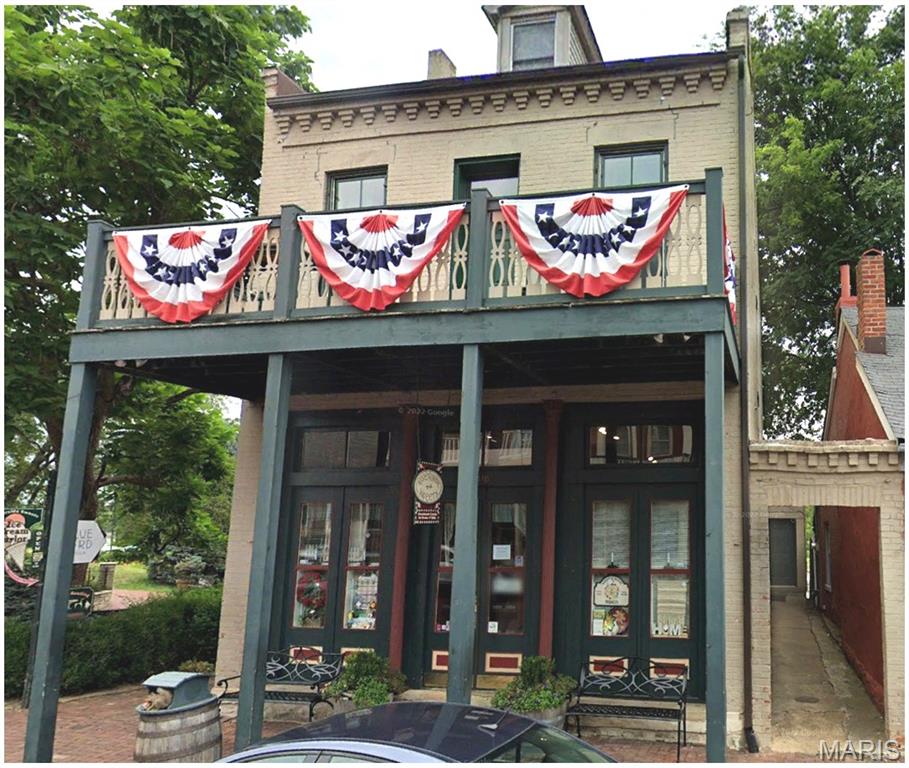
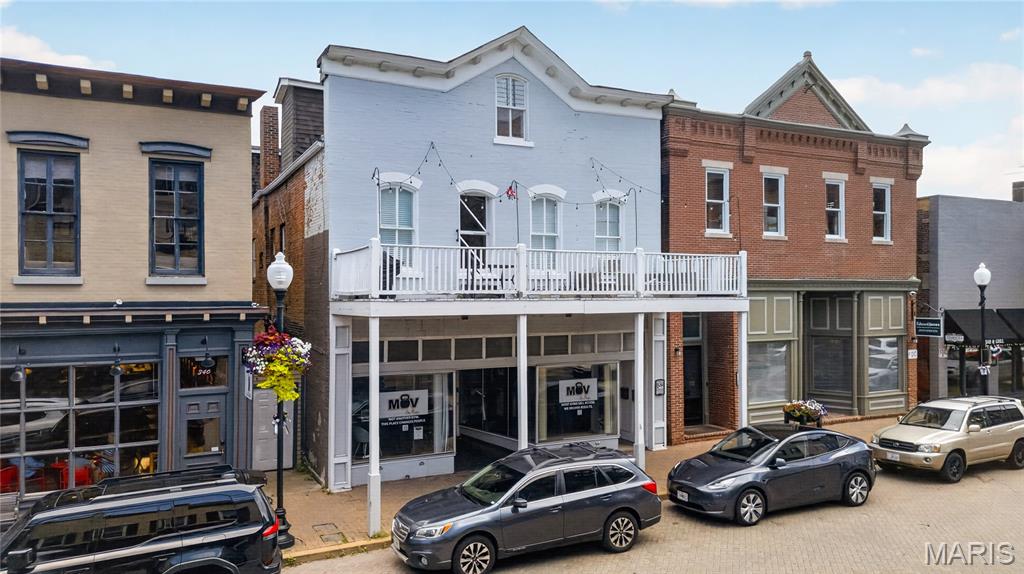
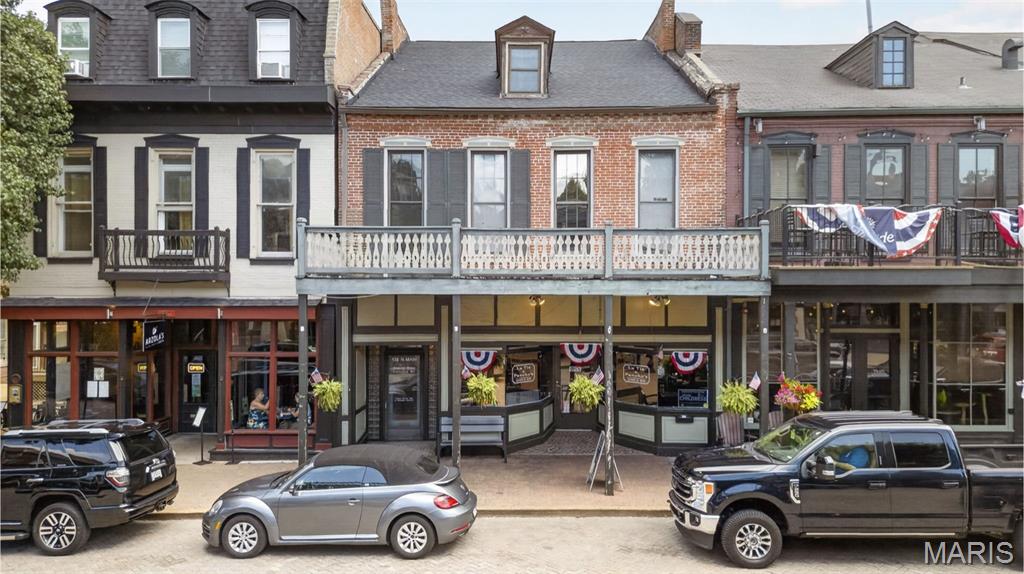
Historic Main Street & South Main. Missouri's oldest registered historic district. Brick-paved streets, gas lamps, restored 19th-century brick row homes and Victorian cottages, all within walking distance of restaurants, boutiques, and the Katy Trail. Inventory is thin and buyers are specific — this is a neighborhood people choose deliberately, not one they compromise into. Expect historic district review on exterior changes.
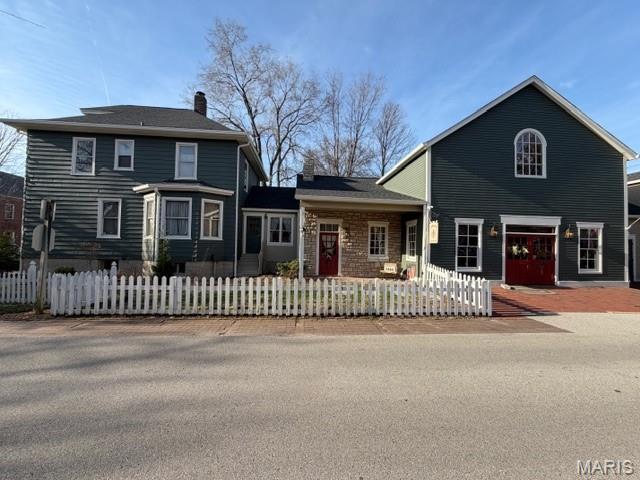
Frenchtown. Directly north of Main Street, and home to the highest concentration of French Colonial architecture in the Midwest. Frenchtown is the county's most interesting value play right now. It has an emerging arts, antiques, and artisan district, genuine architectural significance, and rehab opportunities that no longer exist on Main Street. It also has more variability block to block than anywhere else in the county, which is exactly why you want someone who knows the specific streets.
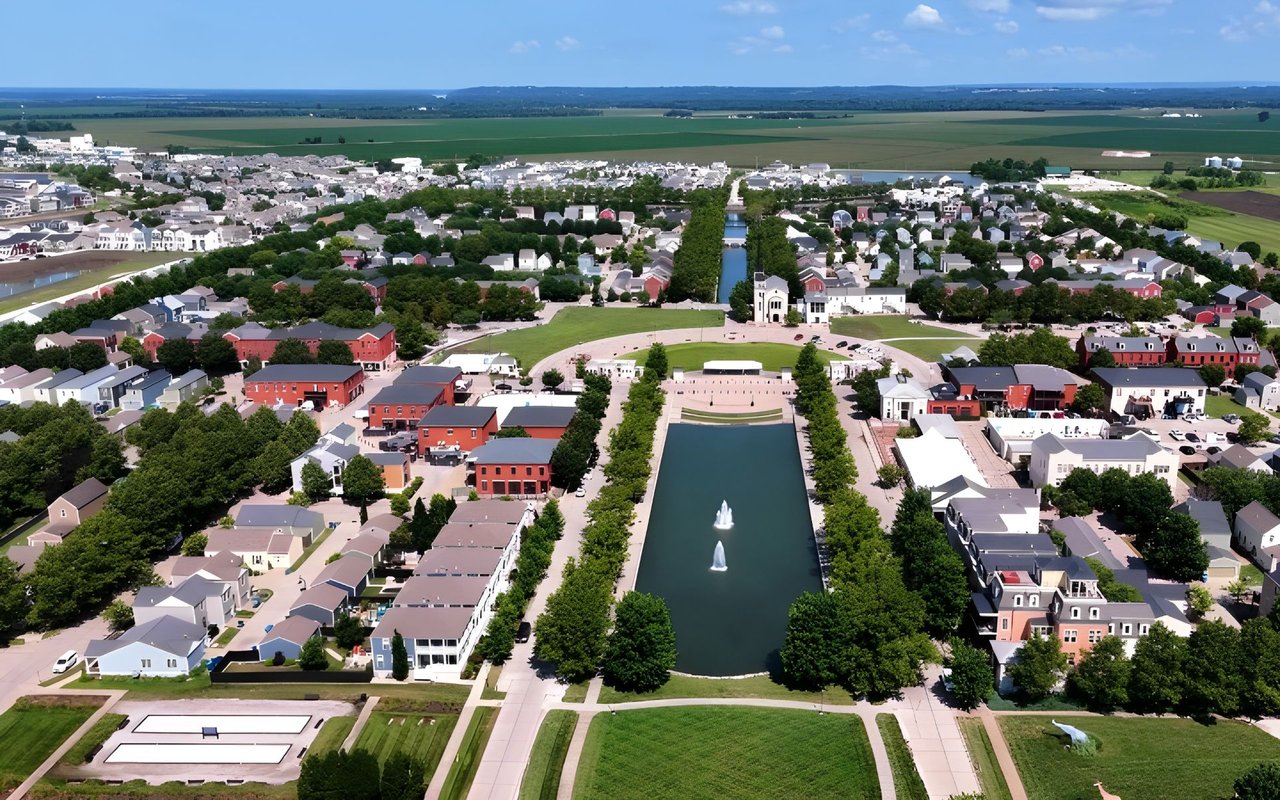
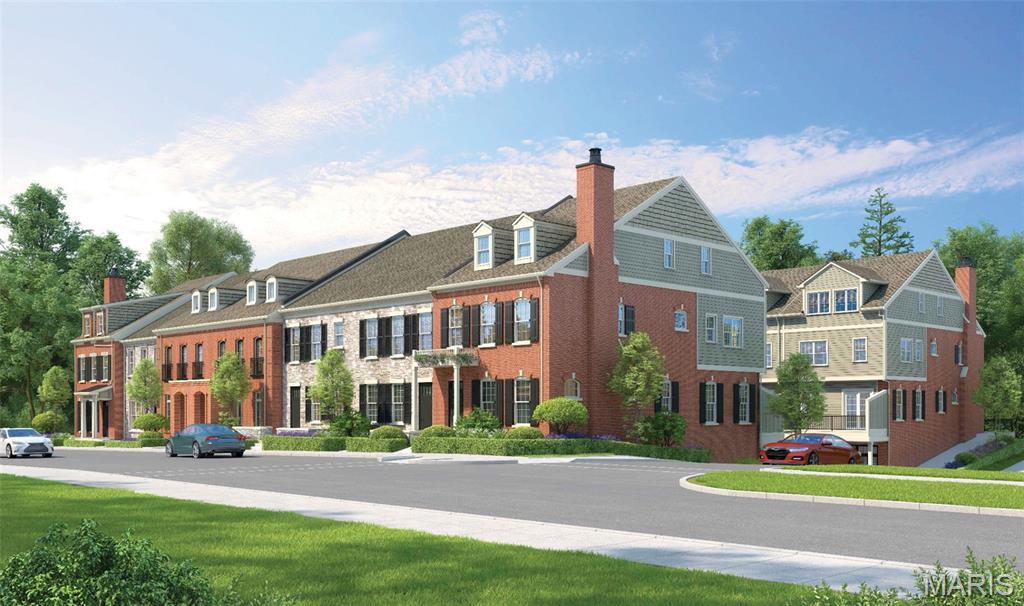
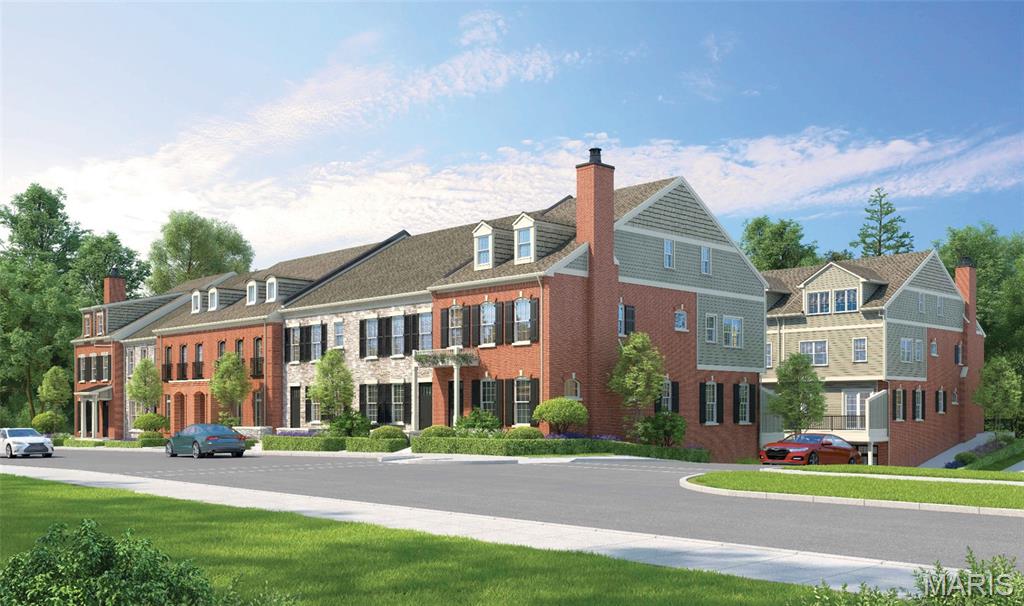
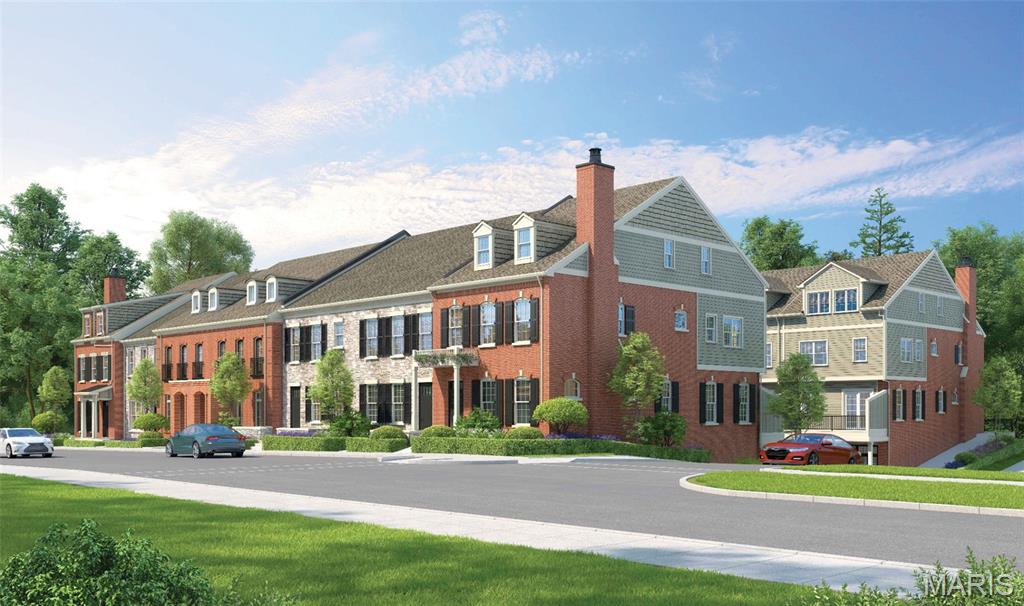
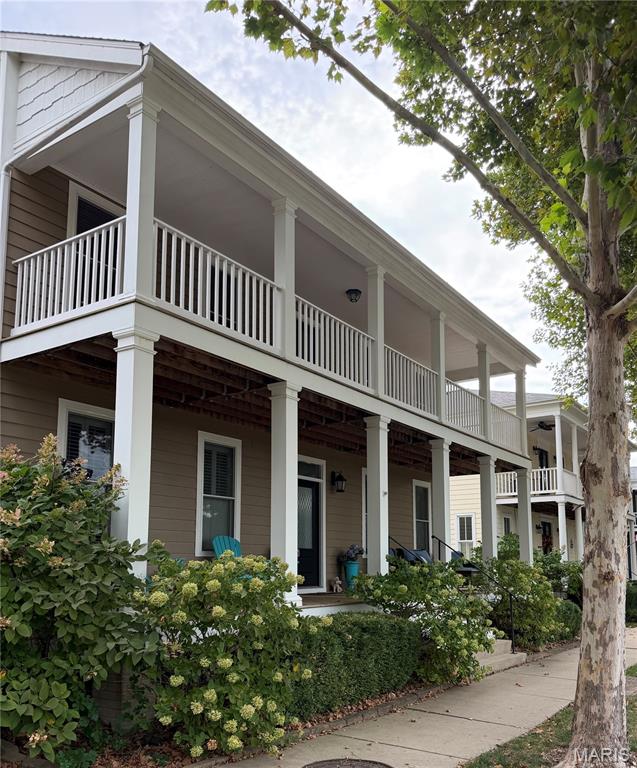
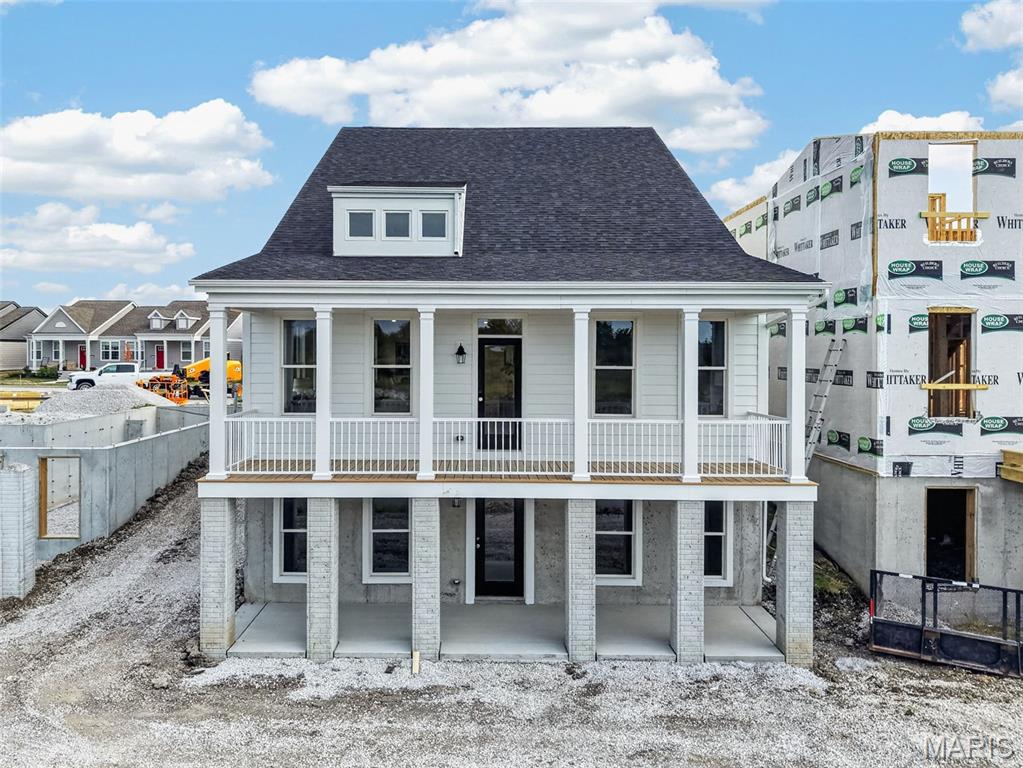
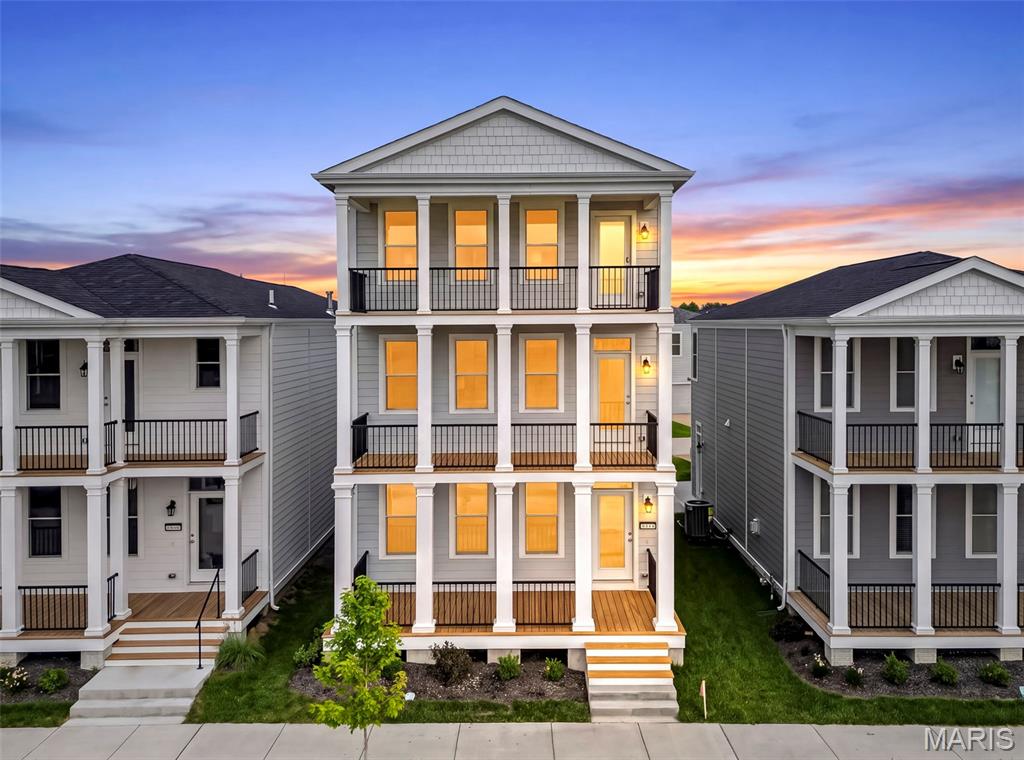
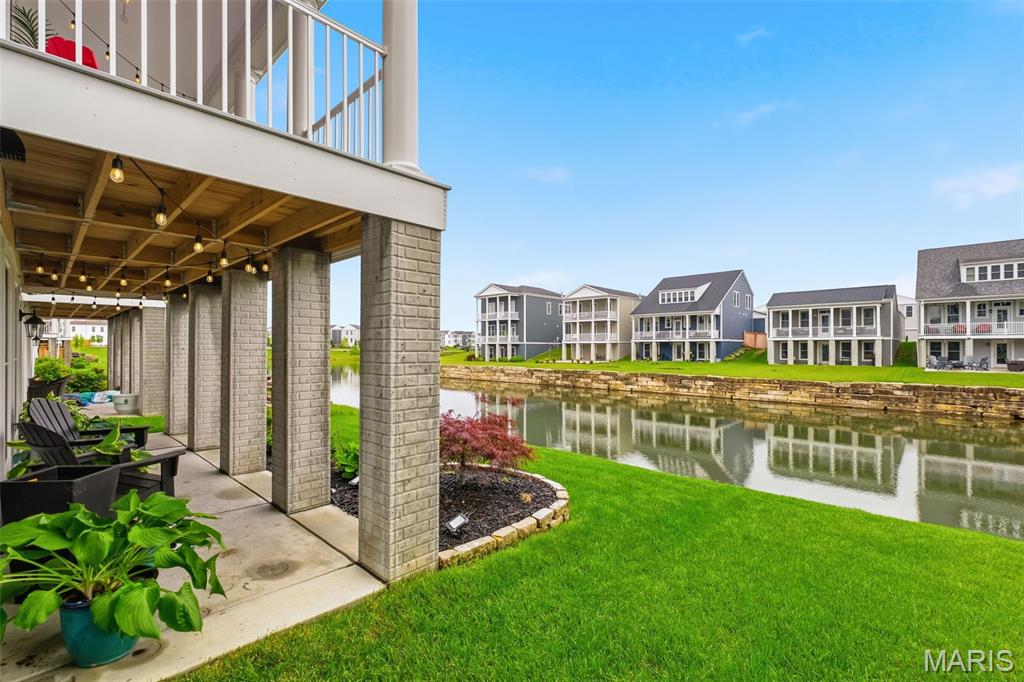
New Town at St. Charles. A 600+ acre master-planned New Urbanist community built around canals, lakes, civic greens, and pocket parks. Pastel siding, double-decker porches, rear-alley garages, and mixed-use commercial woven into the residential fabric. It's the most architecturally controlled community in the county and it attracts buyers who specifically want walkability and design cohesion. Homes range from cottages and townhomes up through larger custom builds.
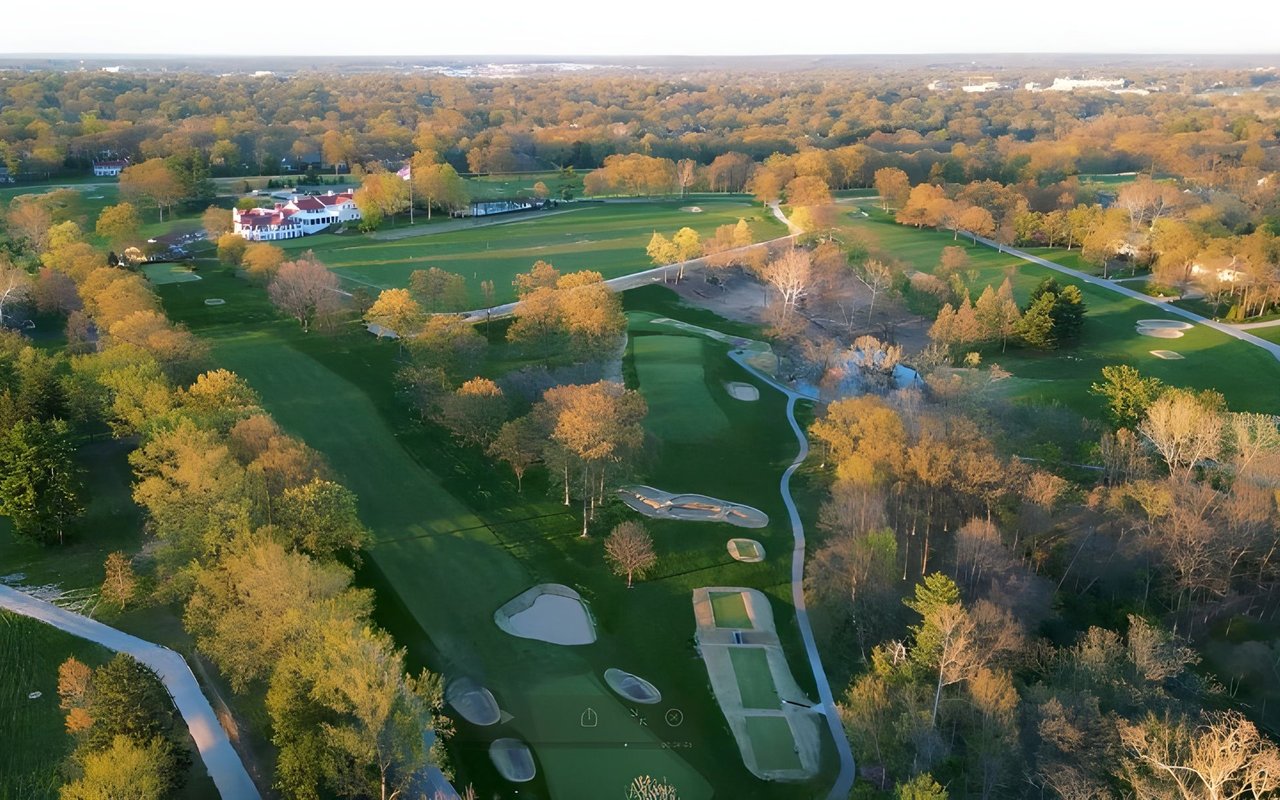
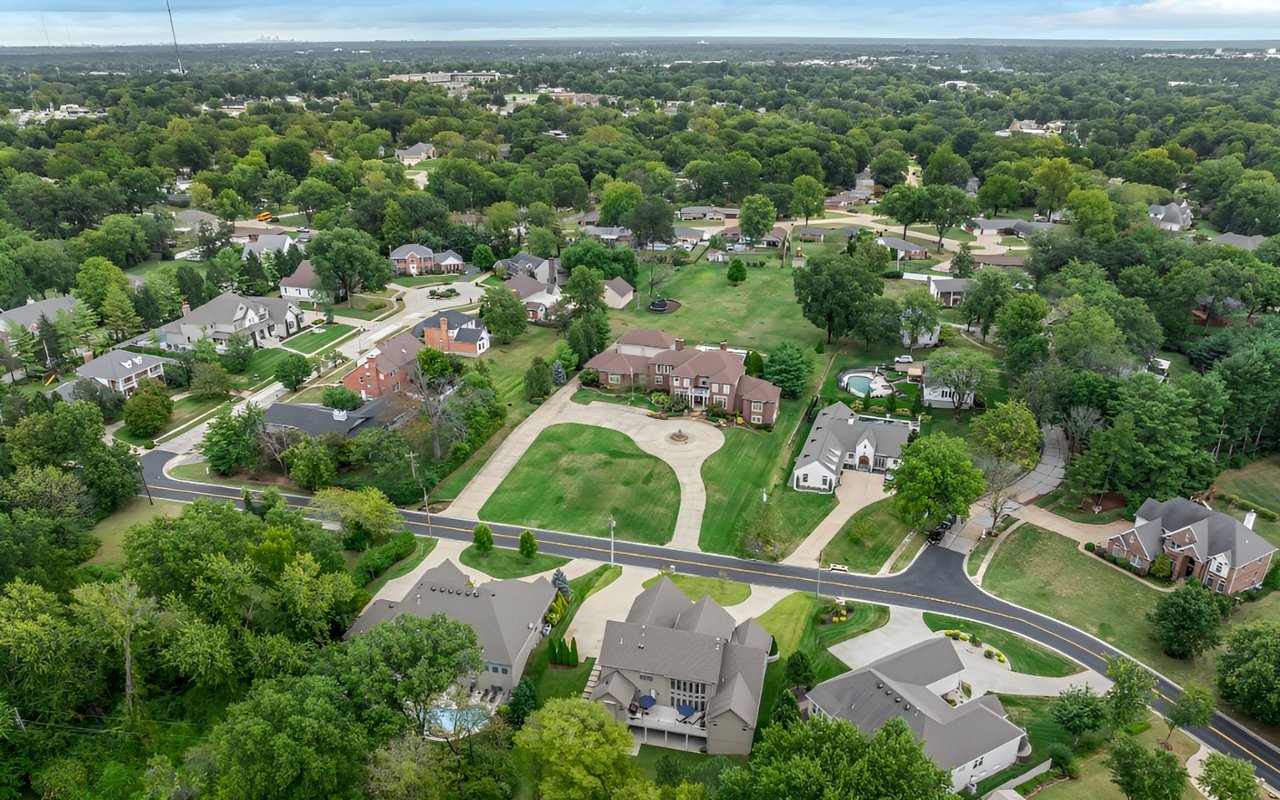
Bogey Hills / Country Club District. Built out through the 1960s and 1970s around Bogey Hills Country Club. Mature tree canopy, large rolling lots, and upscale mid-century homes — including a good number of sprawling ranches that are increasingly hard to find elsewhere. This is quietly one of St. Charles's most desirable established addresses.
Charlestowne and the Northern Infill Communities. Suburban subdivisions north of Highway 370, mixing traditional two-stories and ranches with attached garages across a range of build years through the late 2000s. Solid, practical, and generally more affordable than the historic core.
Spencer Creek. One of St. Peters' founding master-planned communities. Mid-century ranches, split-levels, and two-stories near central park amenities, and one of the most accessible entry points into the city. Note that portions near the creek itself warrant a flood zone check.
Country Manor and the Mid Rivers Area. Centrally located near Mid Rivers Mall and the Rec-Plex. Established 1980s and 1990s subdivisions, medium-sized yards, quiet cul-de-sacs, and the shortest errand runs in the county. Strong resale demand because of convenience alone.
Turtle Creek and Brookmount. Family-oriented developments built through the 1990s and 2000s, with traditional two-story and story-and-a-half homes close to both I-70 and MO-364. These trade briskly when they're updated.
St. Peters Golf Club communities, including St. Peters Fairways. The city's upper tier. Larger executive homes, walk-out basements, and course views. Lower inventory and a smaller, more targeted buyer pool.
Development here radiated outward from the Missouri River over more than two centuries, which means architectural style is essentially a map of chronology. The closer you are to the historic downtowns, the older and more idiosyncratic the housing; the farther out you go, the more standardized it becomes.
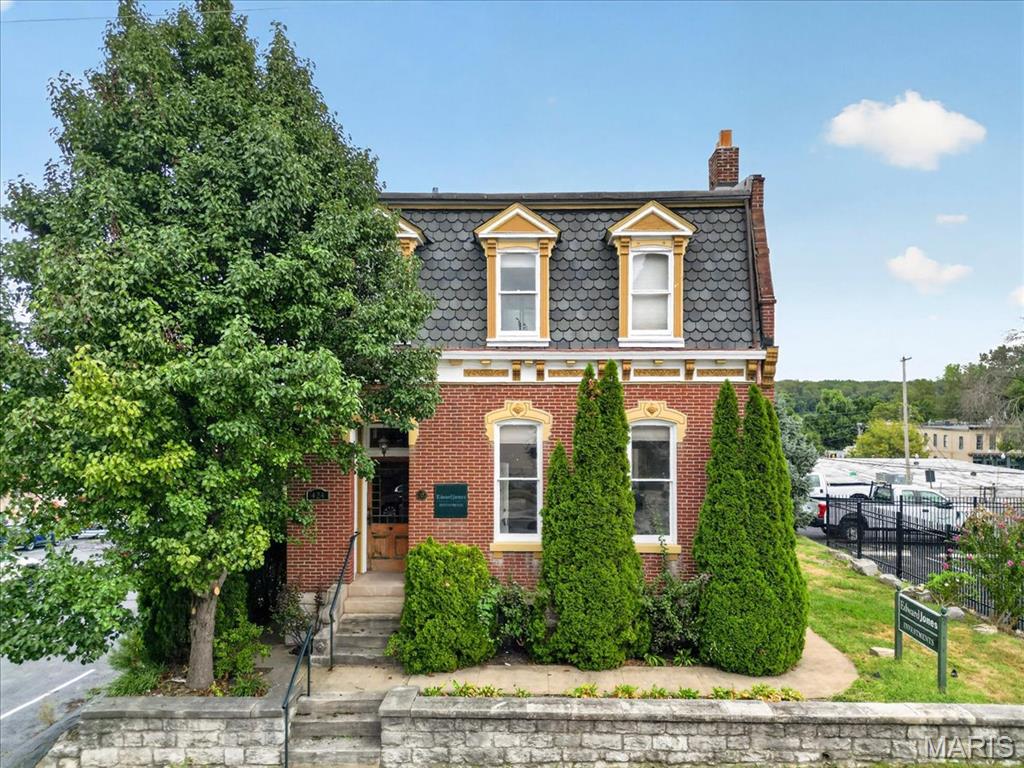
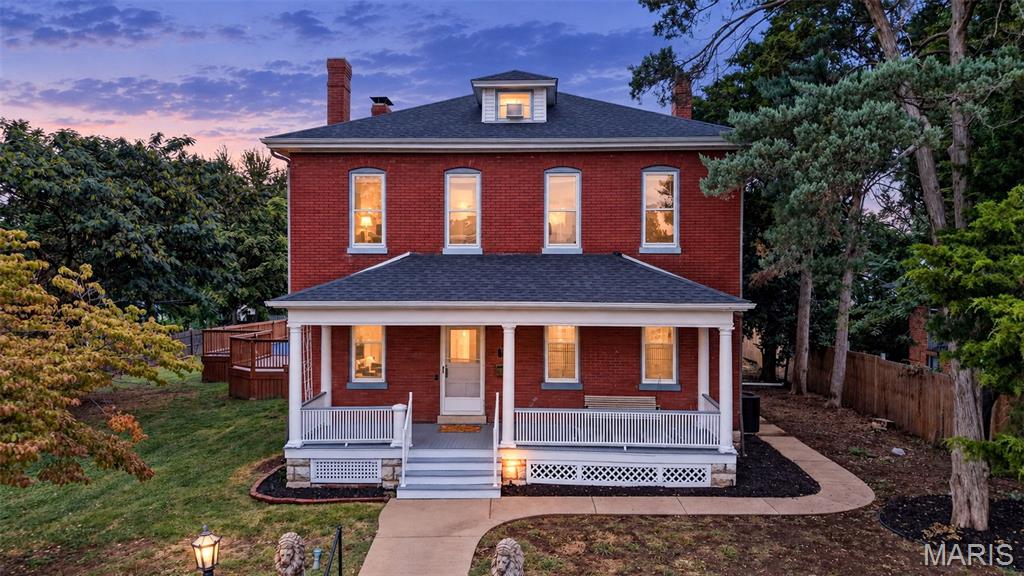
1800s through the early 1900s — St. Charles core. French Colonial and Federal construction dominates Frenchtown and South Main: steep roofs, brick masonry, wide porches, symmetrical timber framing. Nearby you'll find Victorian and Edwardian frame homes with ornate woodwork, bay windows, and steep gables, concentrated around downtown and the Lindenwood University area. These are beautiful homes that reward buyers who understand old construction and punish buyers who don't. Plan on a thorough inspection and a realistic capital budget.
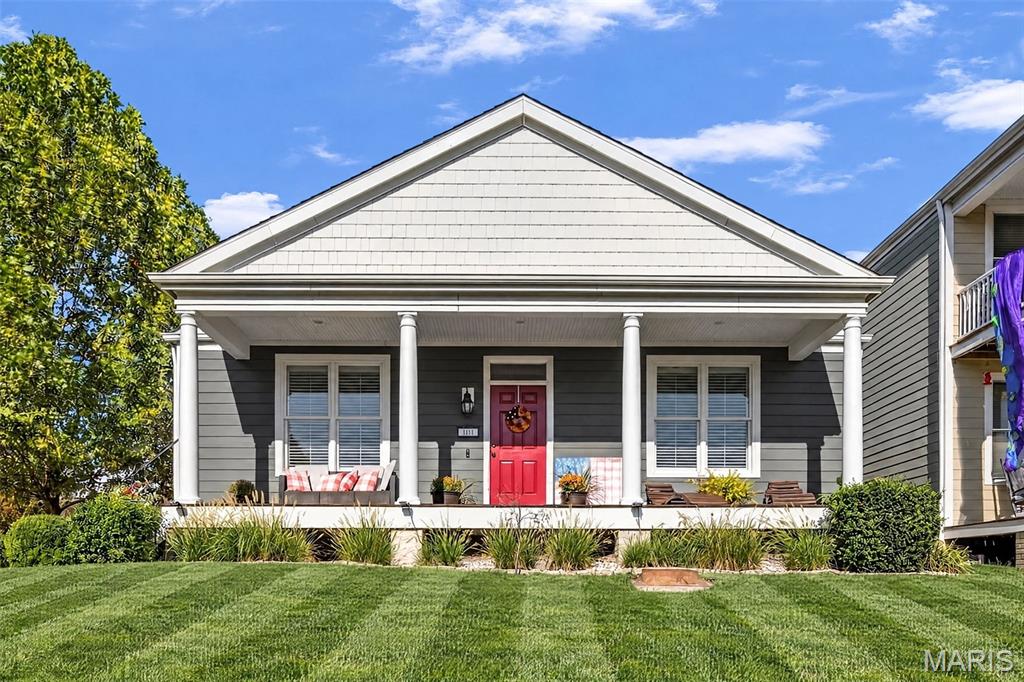
1920s through the 1950s. Craftsman bungalows and brick cottages fill in midtown St. Charles and the Lindenwood quarter. Low-pitched roofs, deep covered front porches, built-in woodwork, compact and efficient footprints. This is the county's sweet spot for first-time buyers who want character without a full restoration project.
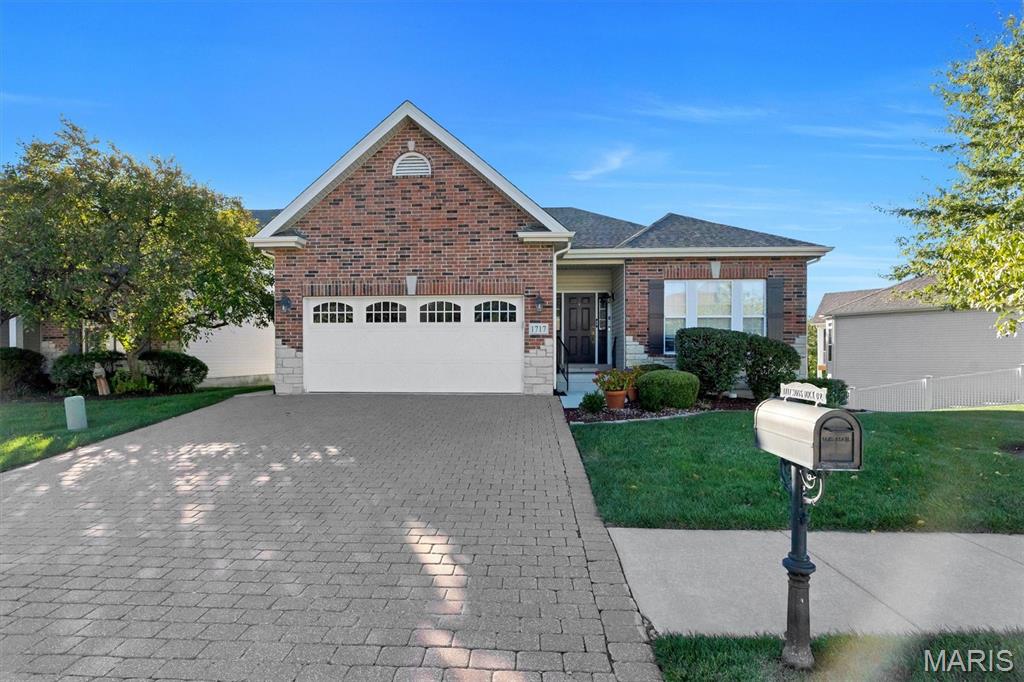
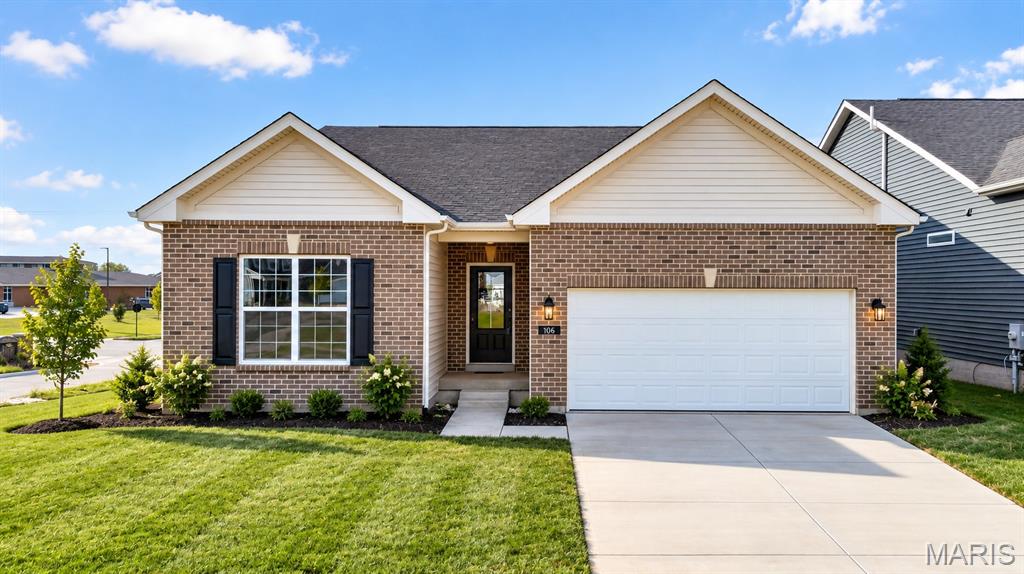
1960s through the 1980s. Ranches, raised ranches, split-levels, and tri-levels spread across early St. Peters and mid-town St. Charles. Single-level living, full basements, and attached one- and two-car garages. Split-levels and tri-levels appeared because they maximize living space on sloping mid-county lots. Demand for well-kept ranches from this era has strengthened considerably as buyers age in place and downsizers look for stair-free floor plans.
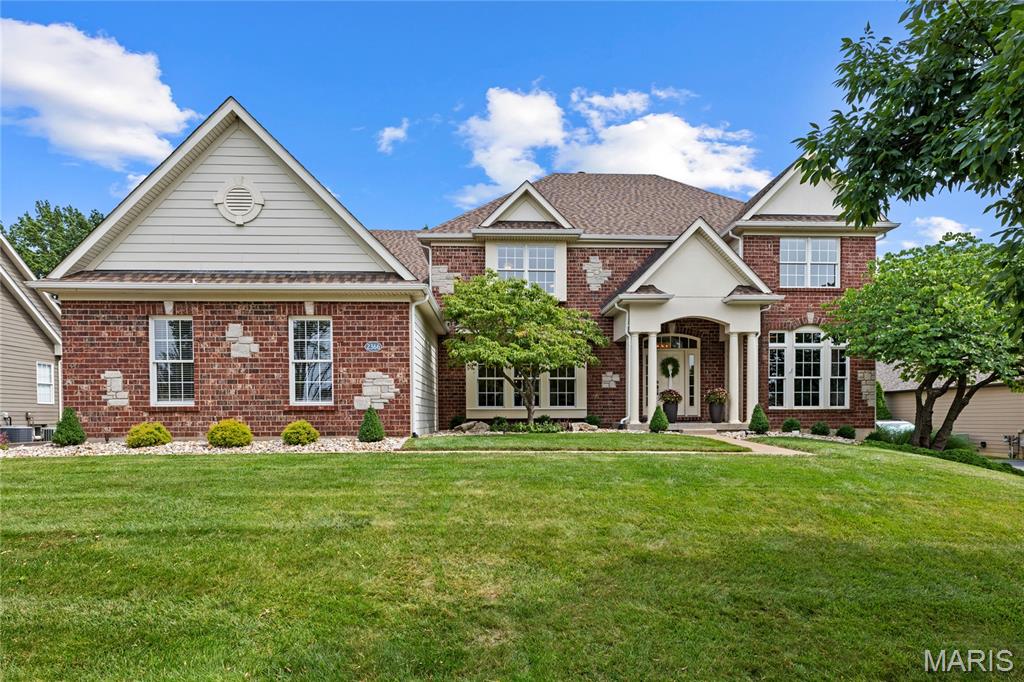
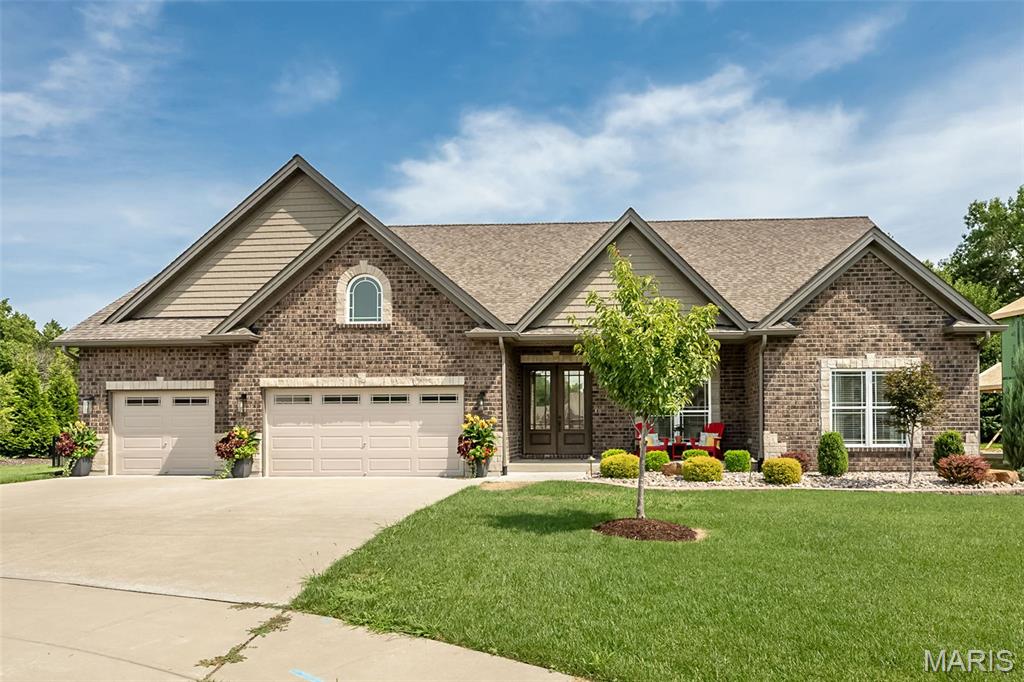
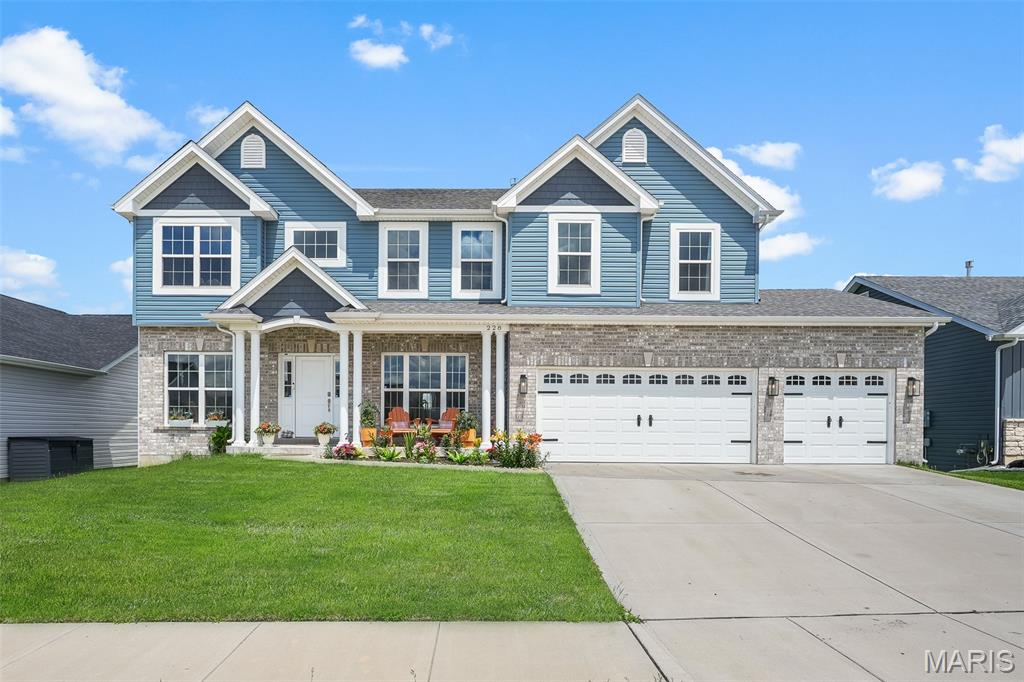
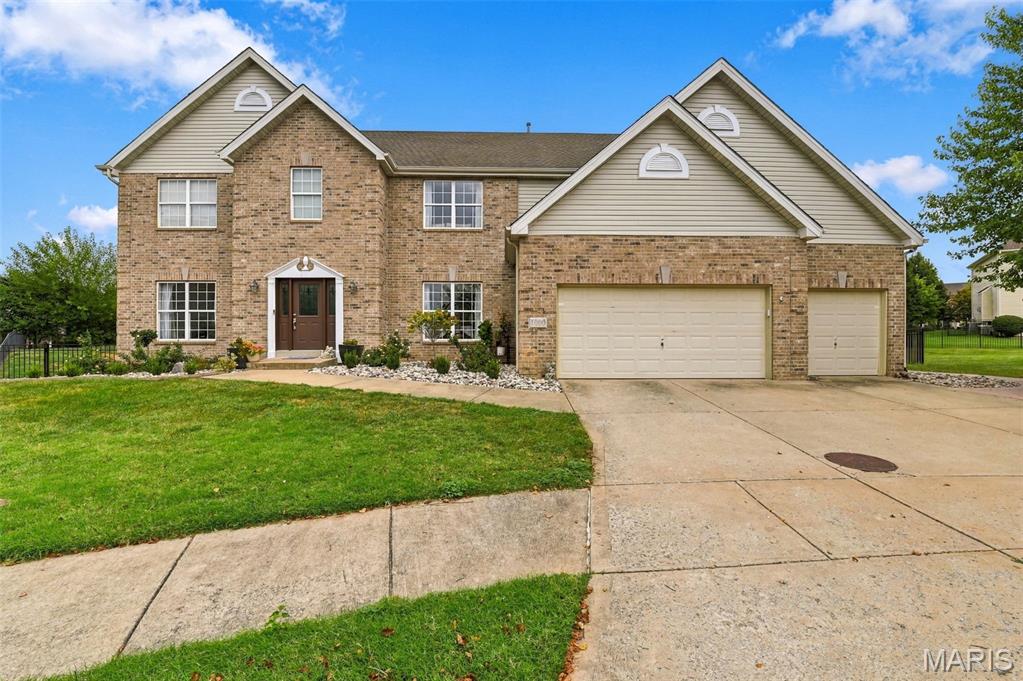
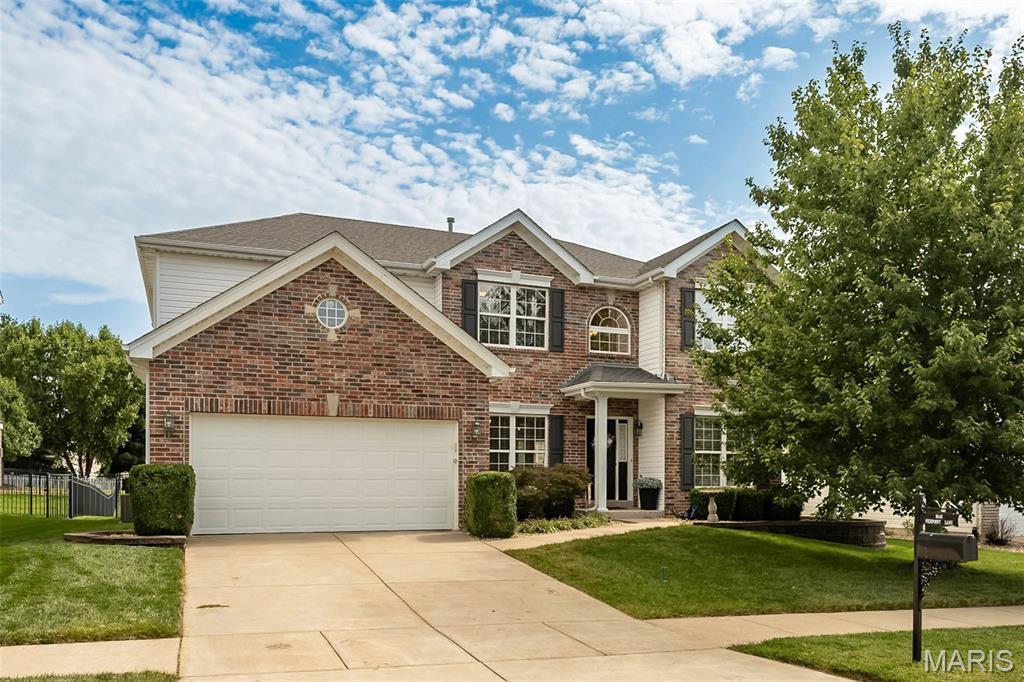
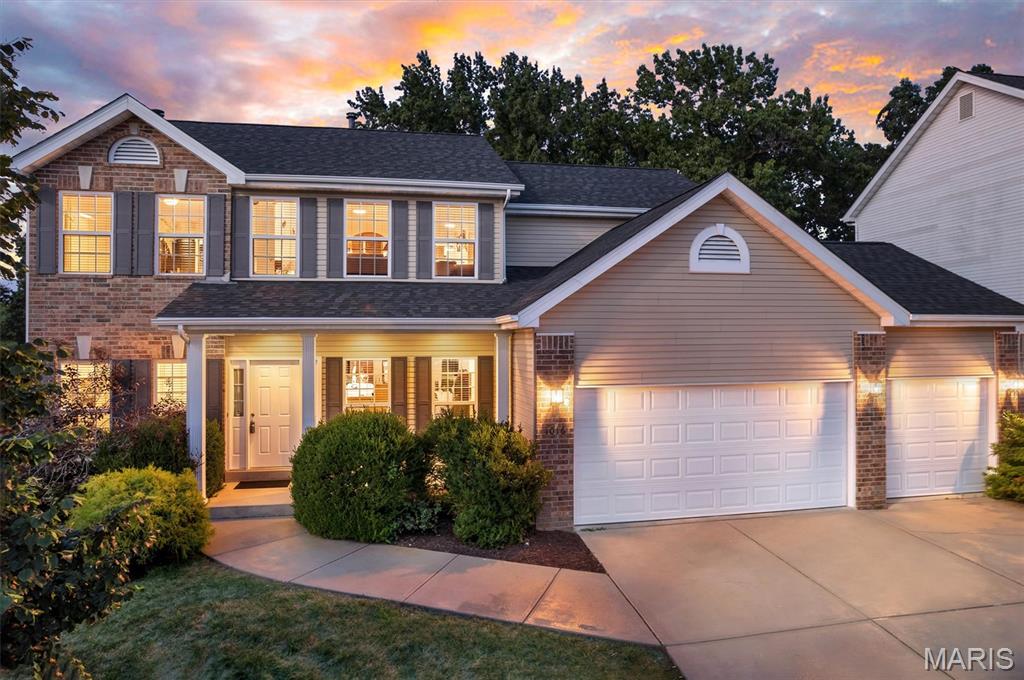
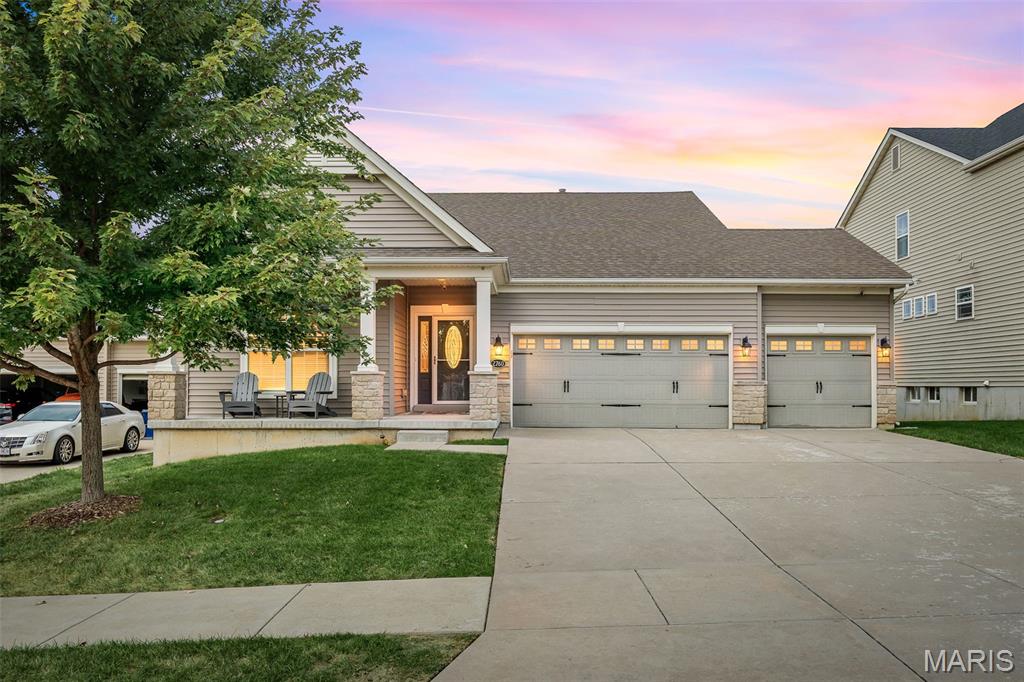
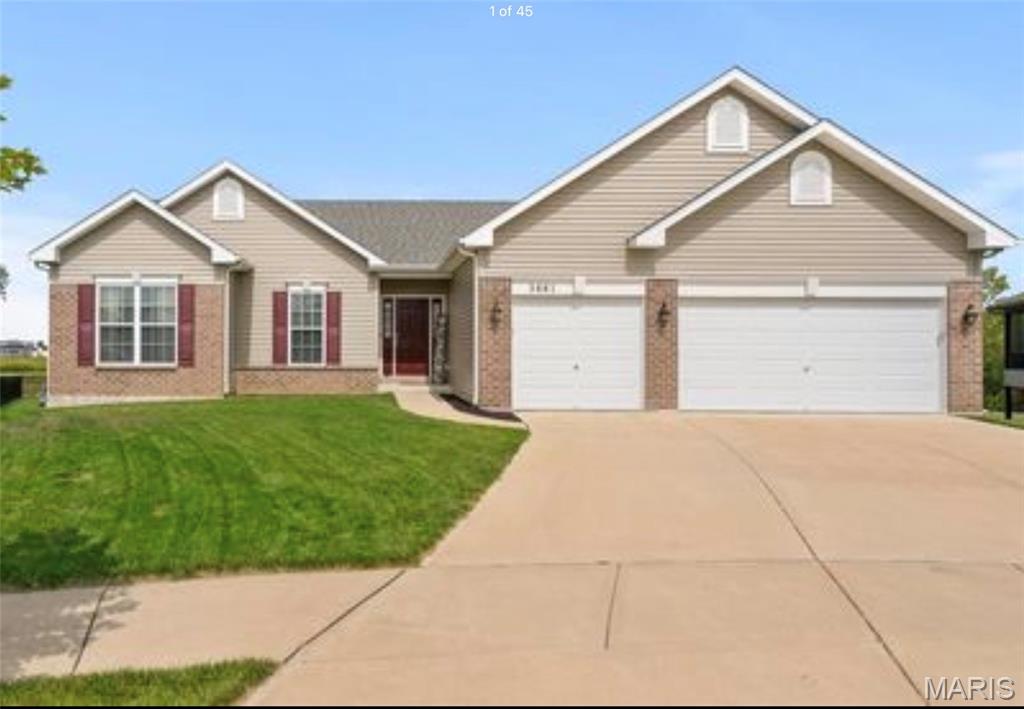
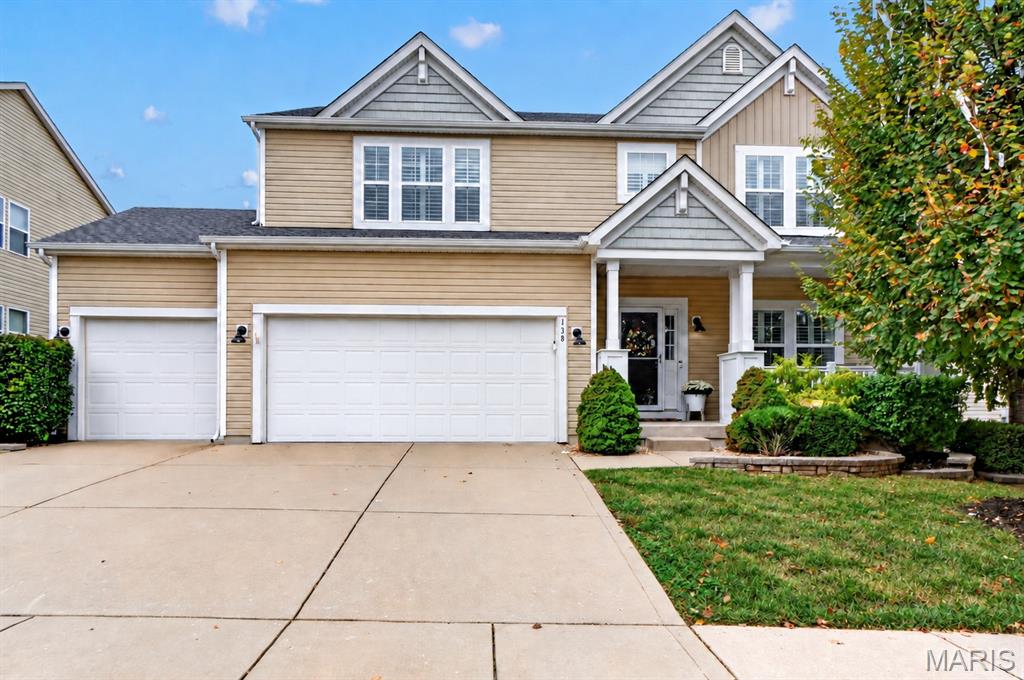
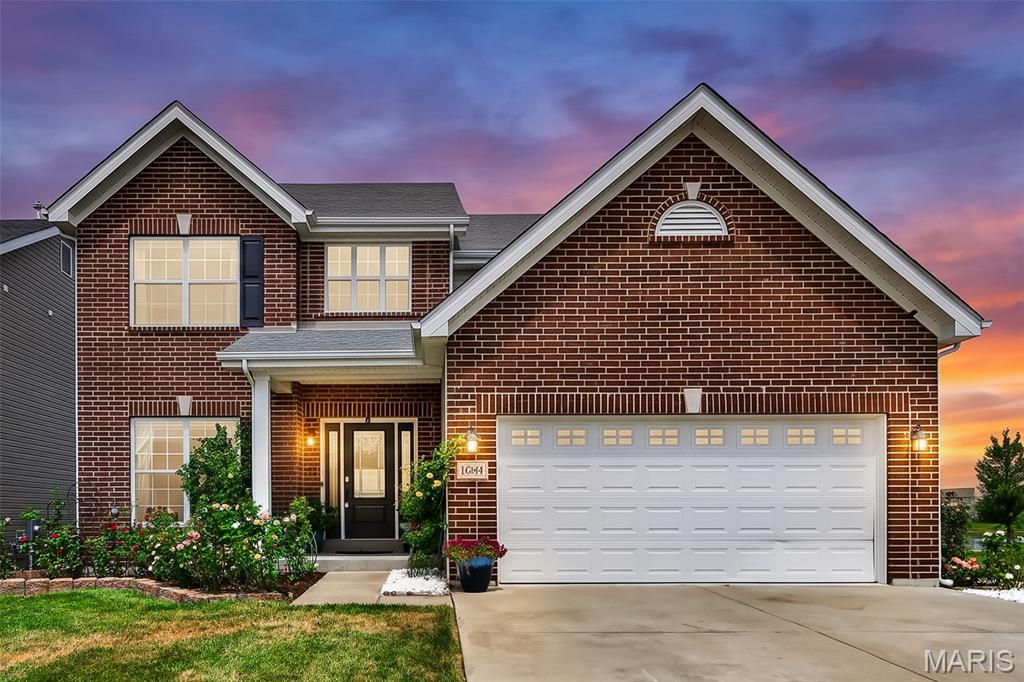
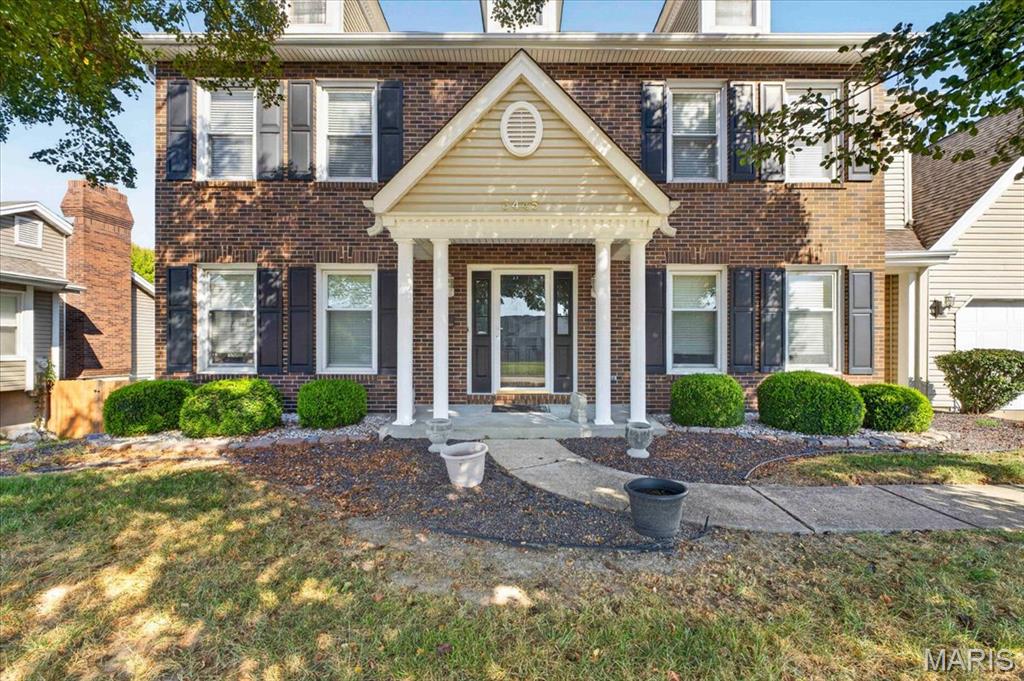
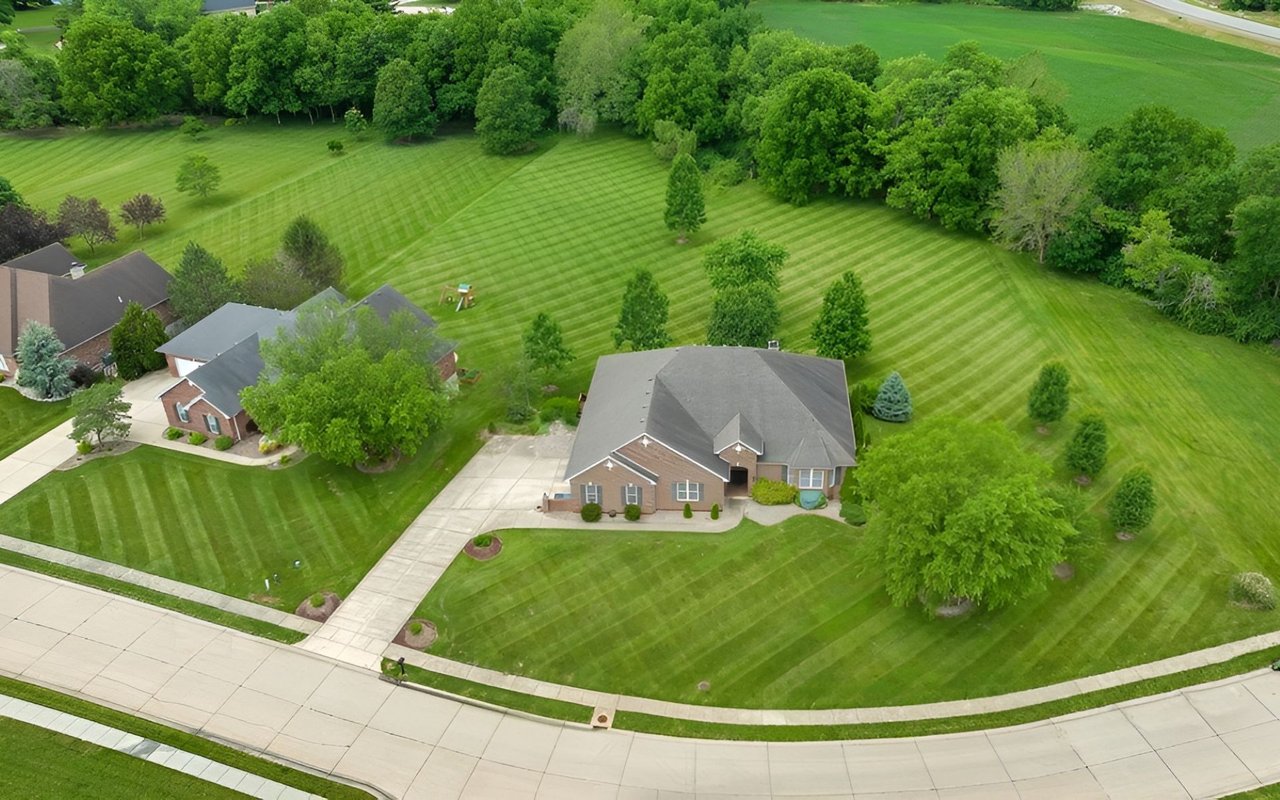
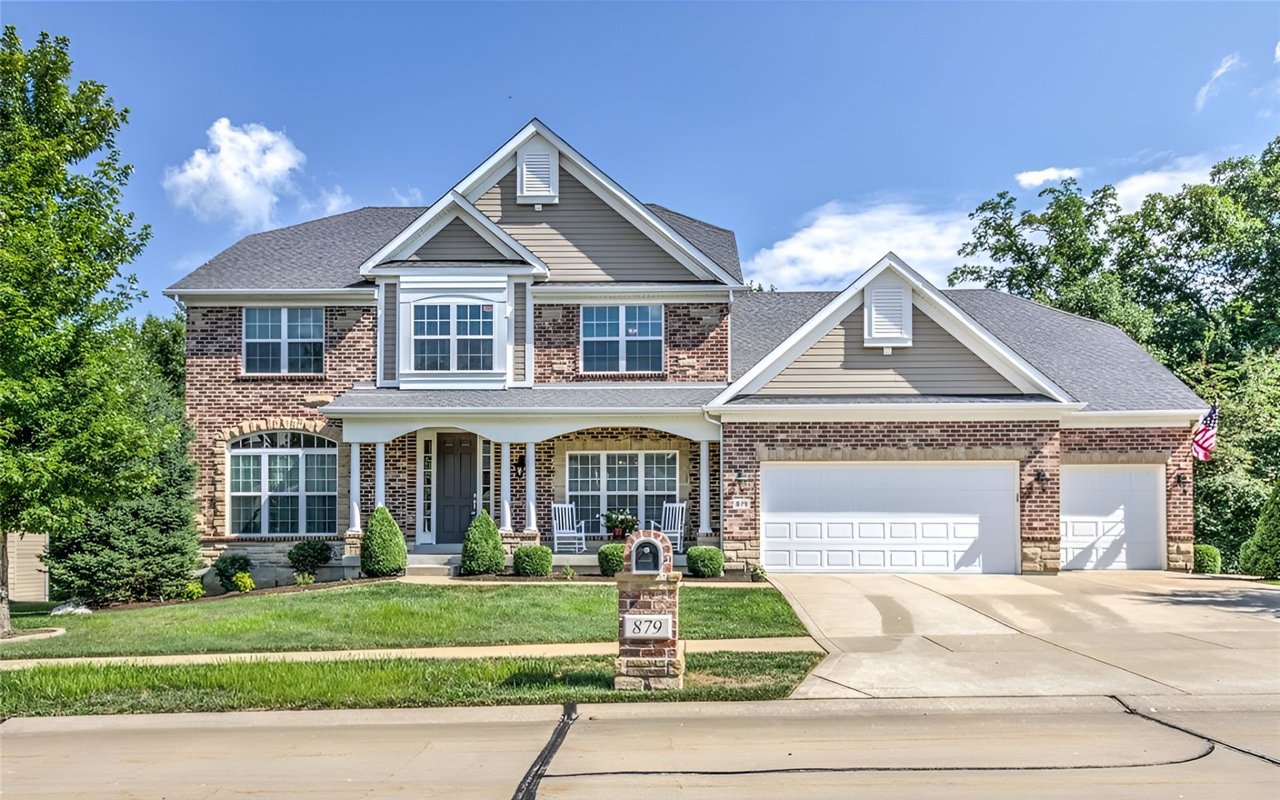
1990s through the 2010s. Traditional two-story and neo-colonial homes define the residential landscape of St. Peters and newer St. Charles additions: vinyl-and-brick facades, two- to three-car garages, open-concept main levels, primary suites, and full basements. This is the largest single category of inventory in the corridor and the most straightforward to price.
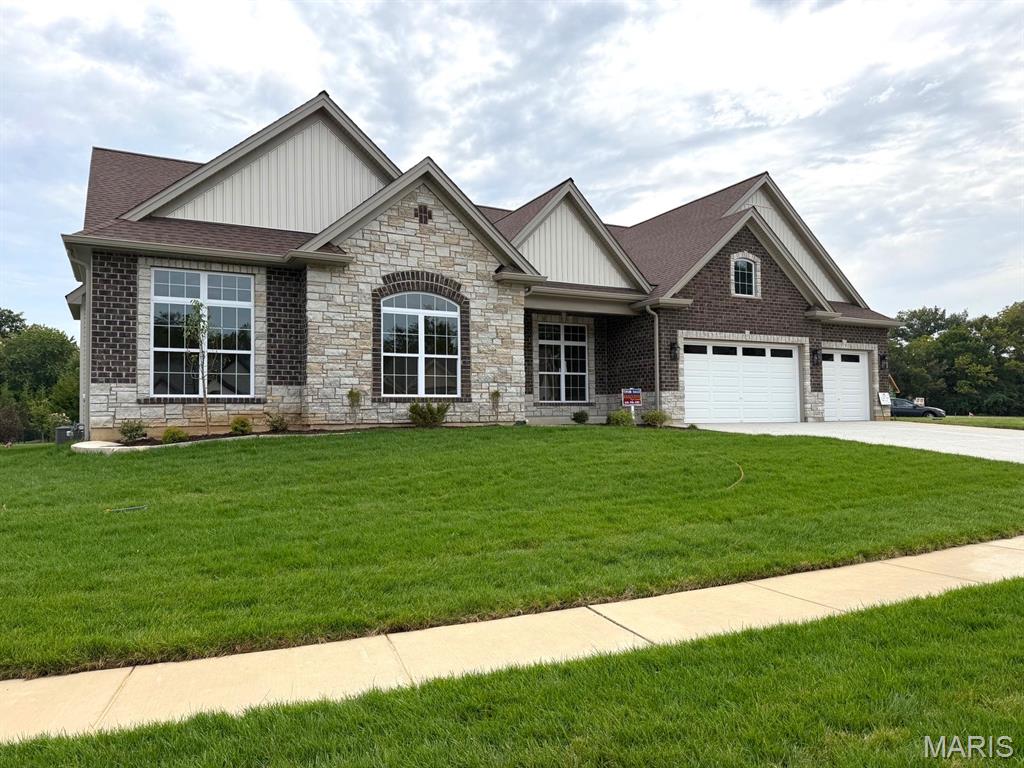
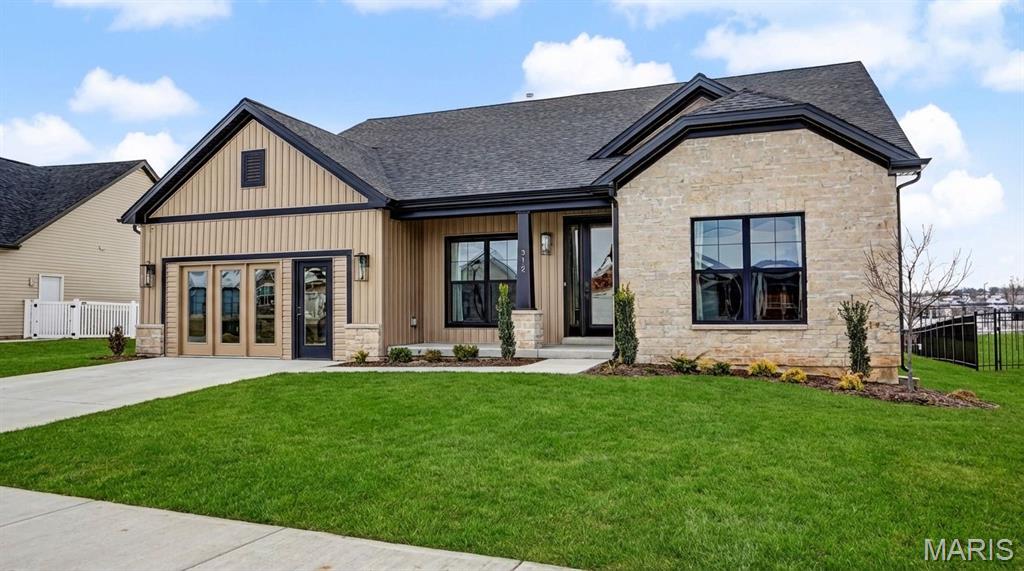
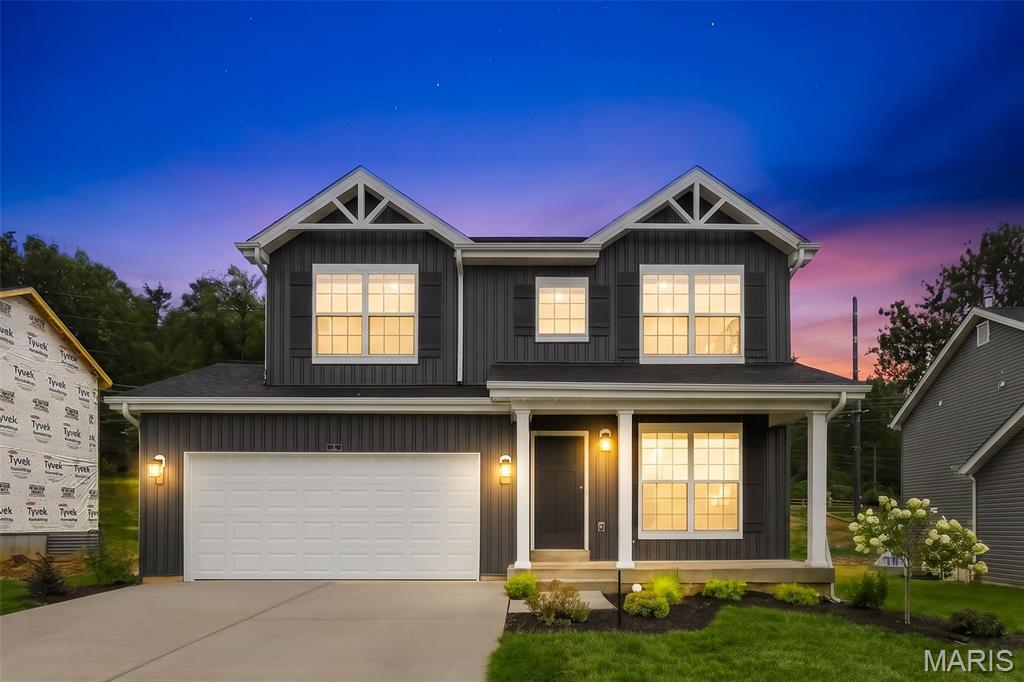
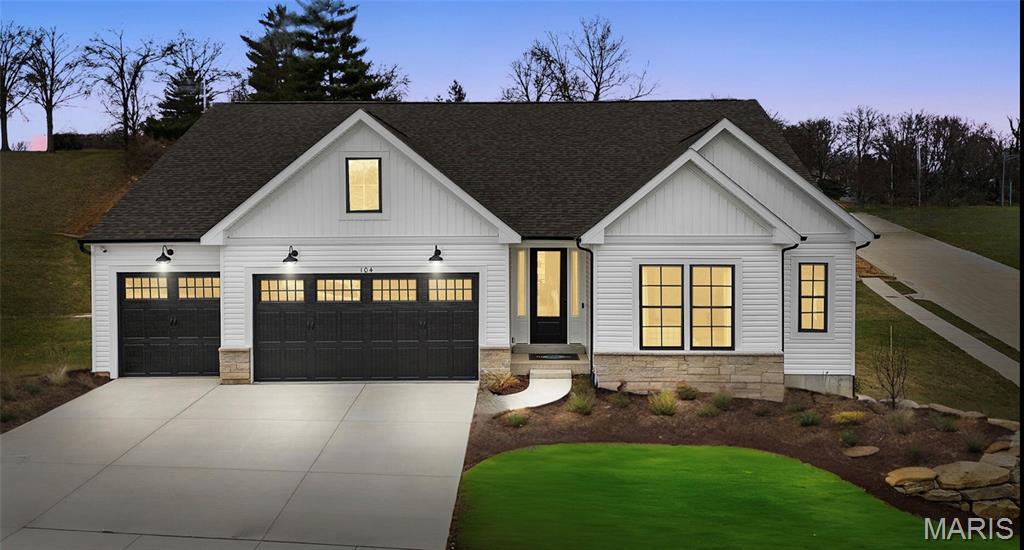
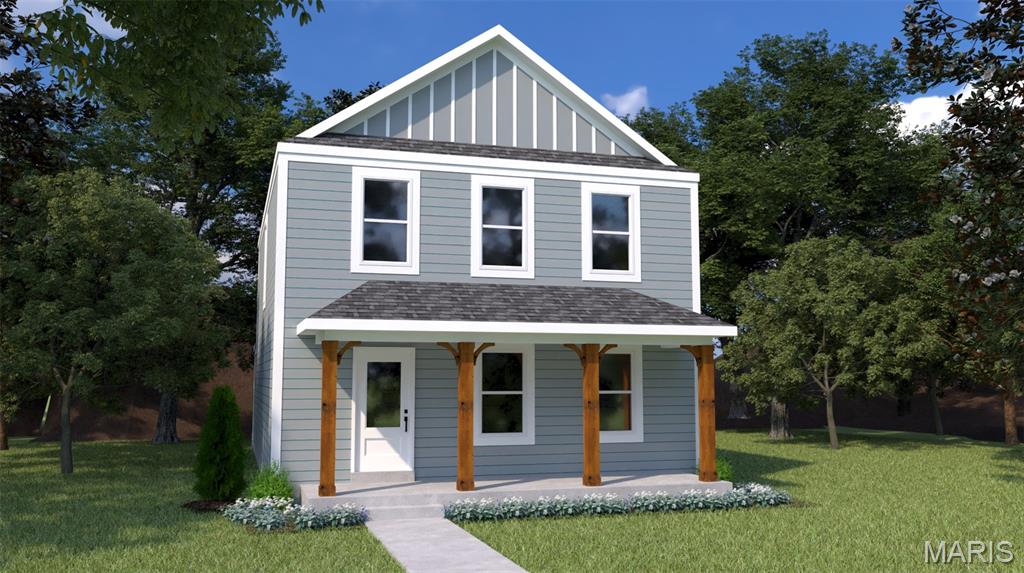
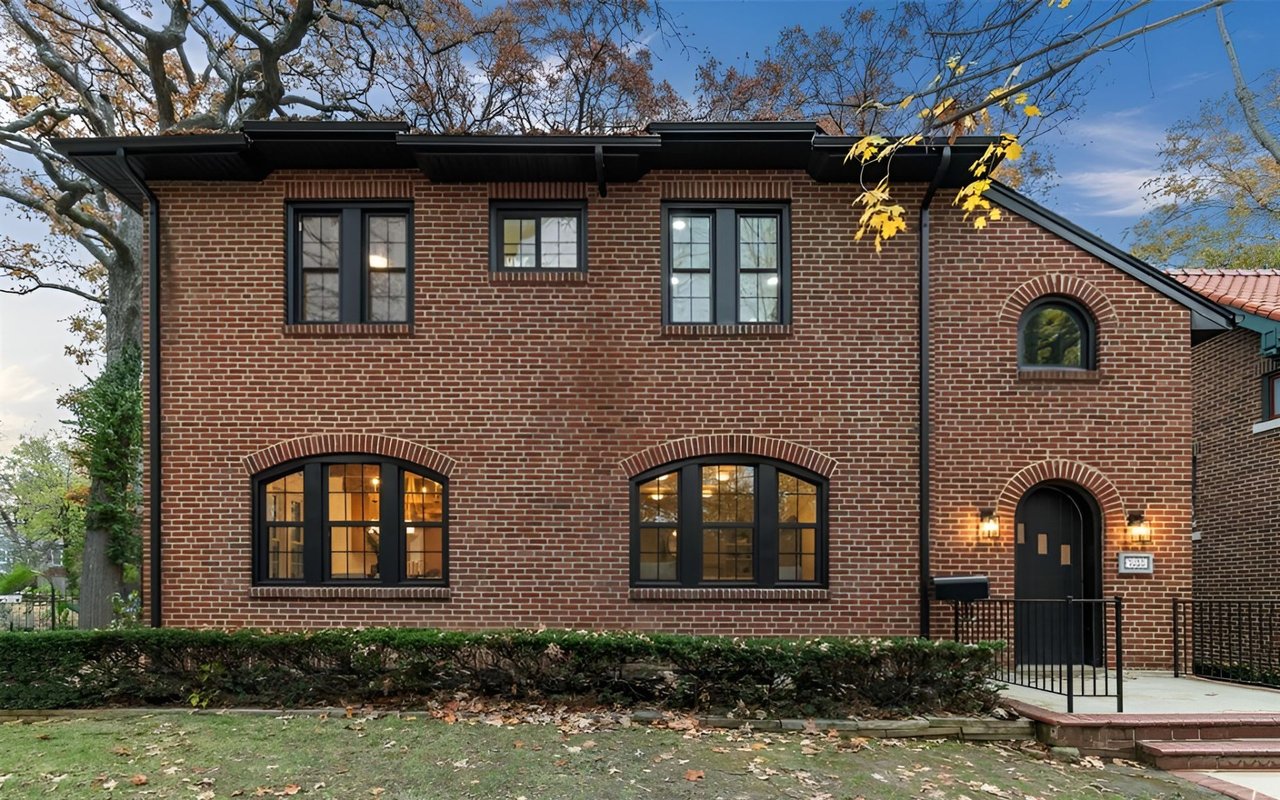
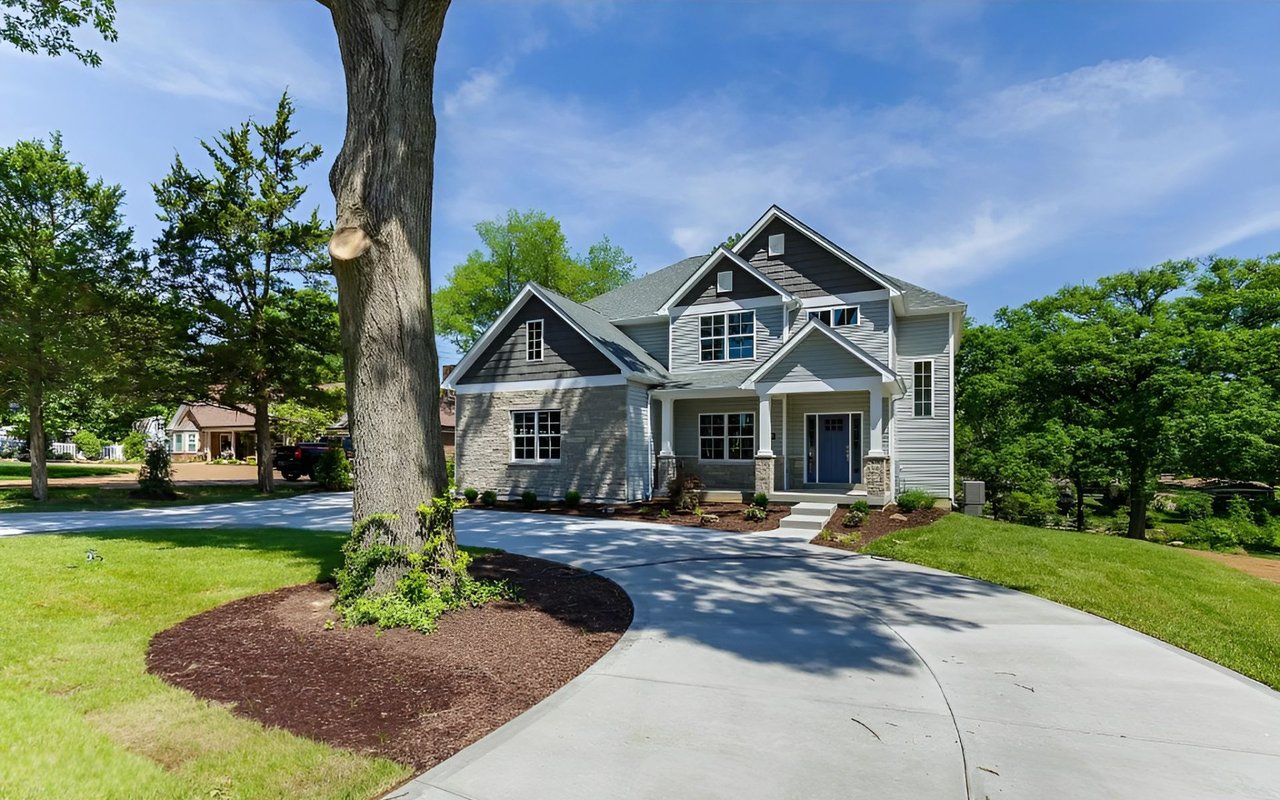
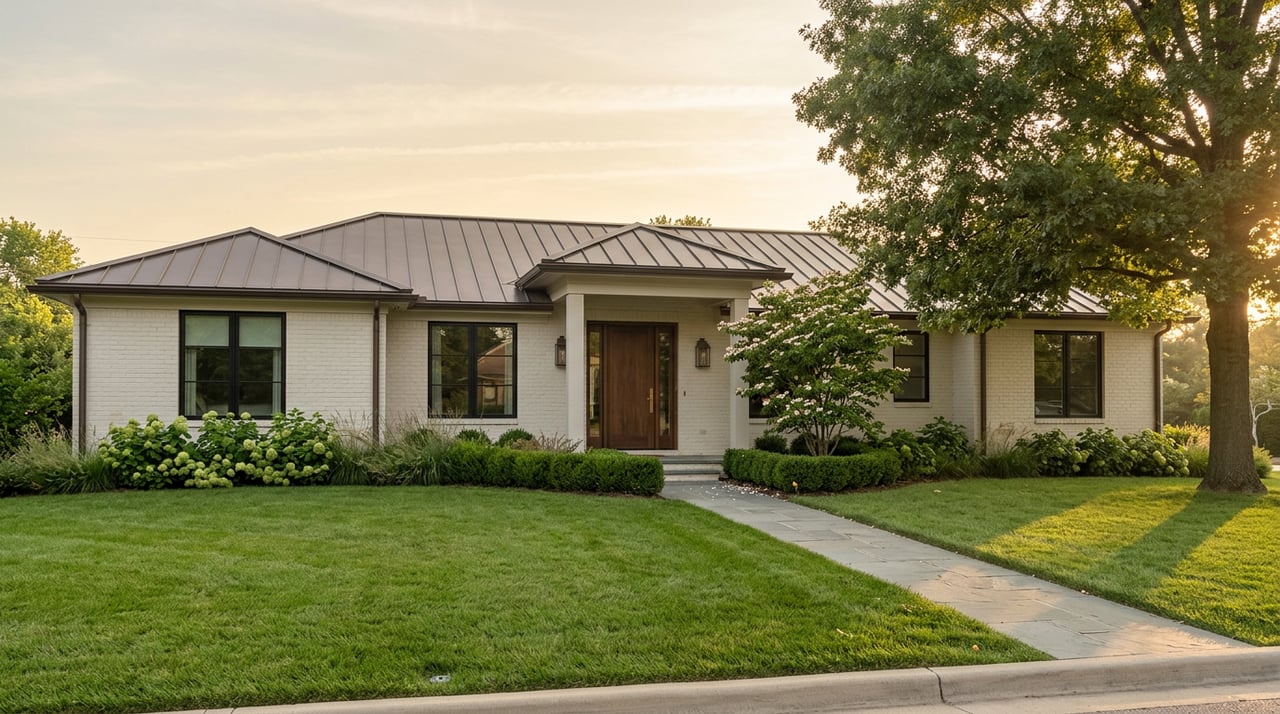
2000s to present. Two distinct directions. Inside New Town, a New Urbanist and coastal-craftsman hybrid governed by design guidelines — pastel siding, stacked porches, alley-load garages, detached cottages, row-house townhomes. Elsewhere, modern farmhouse infill and custom builds with board-and-batten siding, dark trim, metal roof accents, and high-ceiling open plans.
Here's how the eras line up against buyer profiles:
Style | Era | Where You'll Find It | Typically Suits |
|---|---|---|---|
Historic brick & French Colonial | 1800s–1910s | Main Street, Frenchtown | Walkability seekers, historic enthusiasts |
Craftsman bungalow & brick cottage | 1920s–1950s | Lindenwood area, midtown St. Charles | First-time buyers, character lovers |
Ranch, raised ranch, split-level | 1960s–1980s | Spencer Creek, Bogey Hills | Single-level living, downsizers, entry-level |
Traditional two-story | 1980s–2010s | Mid Rivers area, north St. Peters | Growing families needing space and yard |
New Urbanist cottages & townhomes | 2000s–present | New Town at St. Charles | Low-maintenance lifestyle, community seekers |
This is the section that changes buying decisions most often, and it's also the one where buyers most frequently make a costly assumption.
District boundaries do not follow city lines. A home with a St. Peters mailing address may be zoned to a district headquartered in O'Fallon. Two homes on opposite sides of the same street can attend different high schools. Never assume the district from the address — verify the specific parcel before you write an offer, especially if district assignment is a deal condition for you.
Francis Howell School District (FHSD) serves southern and western St. Charles plus portions of St. Peters. It's consistently among the top-performing public districts in Missouri, with strong academic outcomes, high graduation rates, and deep AP and dual-credit offerings. High schools include Francis Howell, Francis Howell Central, and Francis Howell North. Homes inside desirable FHSD boundaries carry a measurable premium and move faster than comparable homes just outside them.
Fort Zumwalt School District (FZSD) covers a large share of St. Peters along with neighboring O'Fallon and Dardenne Prairie. It's one of the county's most highly regarded districts, and it's structured into North, South, East, and West sub-districts specifically to keep learning environments smaller inside a very large student body. Fort Zumwalt East and Fort Zumwalt South are the primary high schools serving St. Peters families.
St. Charles City School District (St. Charles R-VI) serves central and historic St. Charles, Frenchtown, and the surrounding municipal area. It's a smaller, more diverse district that's tightly woven into the community, with specialized STEM and career-technical pathways alongside traditional college prep. High schools are St. Charles High School and St. Charles West.
Wentzville School District picks up the western edge of the county and is worth knowing if your search radius extends that direction — it's one of the fastest-growing districts in the state.
Private and parochial options run deep here. The Catholic education tradition in St. Charles County is substantial. At the secondary level, Duchesne High School in St. Charles and St. Dominic High School near the O'Fallon/St. Peters border are the primary options, and the Academy of the Sacred Heart is an independent Catholic PK–8 with historic roots in St. Charles dating to the early 1800s. Parish elementary schools — All Saints in St. Peters, St. Cletus, St. Joseph, and others — form a dense network across both cities. For families planning on private school, the practical implication is that district boundary lines matter less to you and you can widen your search considerably.
Downtown St. Charles is the cultural anchor of the entire county, and it's the single biggest reason people who could live anywhere in the region choose to live here specifically.
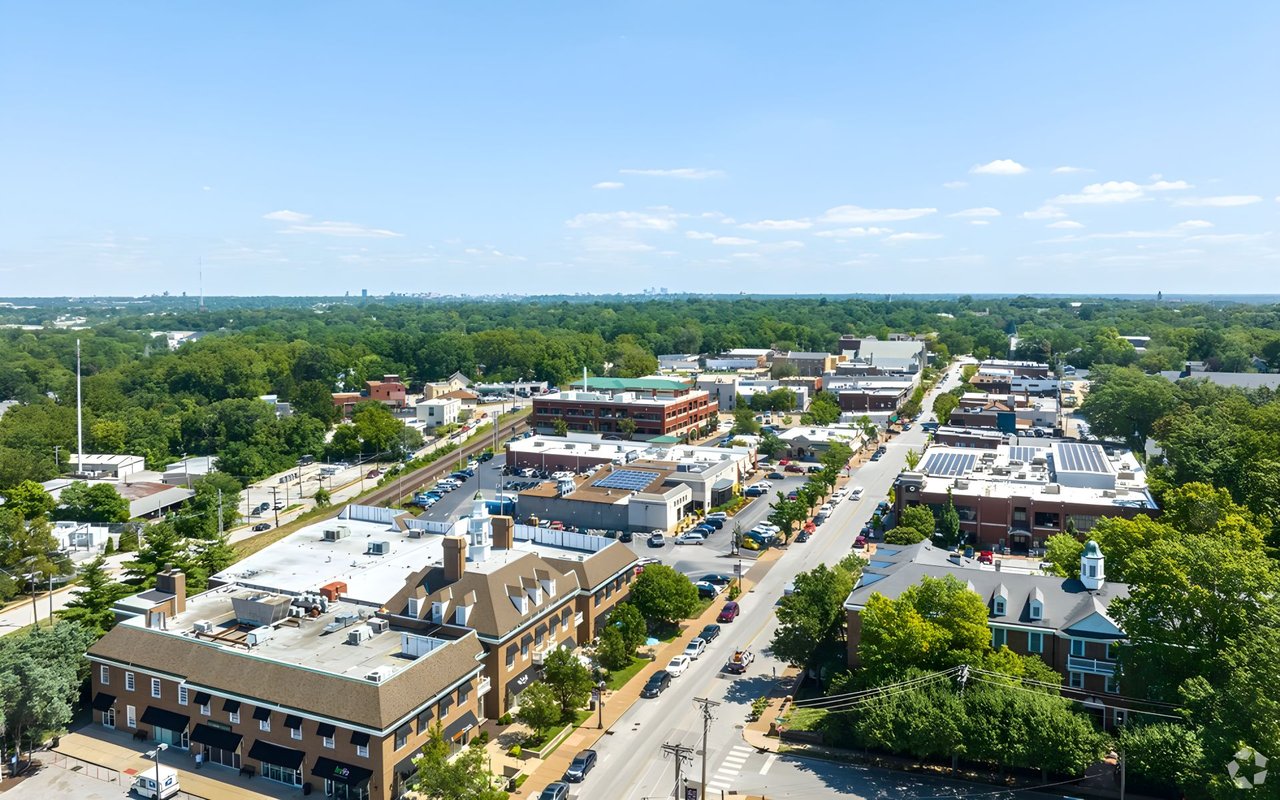
Historic Main Street runs parallel to the Missouri River through a National Historic District with more than 250 years of continuous history behind it. Brick-paved streets, gas-lamp lighting, restored 19th-century brick and timber storefronts, and well over a hundred independent businesses — boutiques, antique dealers, galleries, bakeries, taverns, and riverfront restaurants. It's a working commercial district, not a preserved museum piece, which is what makes it hold up.
Frontier Park fronts the river at the base of Main Street and functions as the neighborhood's front yard. It hosts the Festival of the Little Hills in August and Christmas Traditions through the holiday season, both of which draw crowds from across the metro. The Katy Trail runs straight through the park, so on any decent weather day there's constant foot and bike traffic. If you're buying near Main Street, understand that festival weekends bring real congestion — most residents consider it a fair trade, but you should know it going in.
Frenchtown sits directly north and reflects the settlement's original French roots more literally than anywhere else in the region. Beyond the architecture, it's become a recognized arts, antiques, and specialty artisan district. For buyers, Frenchtown offers the county's most interesting combination of historic housing and genuine upside — with the corresponding requirement that you actually evaluate each property's structural and mechanical condition rather than buying on charm.
Midtown and the Lindenwood Quarter, just west of downtown, surrounds Lindenwood University. Tree-lined streets, Craftsman bungalows, American Foursquares, and mid-century infill. It's popular with university faculty and staff and with buyers who want walkable streets and downtown access without living inside the commercial footprint. Rental demand is steady here, which makes it worth a look for investors as well as owner-occupants.
Outdoor amenities in St. Charles County are unusually good, and they function as a genuine value driver for nearby real estate rather than a brochure line.
Katy Trail State Park is the longest developed rail-trail in the United States at nearly 240 miles, and it runs directly along the Missouri River through the county. Frontier Park in downtown St. Charles is a major eastern trailhead, with additional access points west toward Defiance and the Augusta wine country. Cyclists, runners, and walkers use it year-round, and trailside cafes, bakeries, and breweries have built businesses around it. Proximity to a trailhead is a real selling point in listings, and buyers who cycle will pay for it.
The St. Peters Rec-Plex is the standout municipal facility in the region — 236,000 square feet containing an Olympic-class natatorium, three ice rinks, a cardio and fitness theater, basketball courts, and an indoor track. Resident rates make it dramatically cheaper than a private club, and for families with swimmers or hockey players it's a legitimate reason to buy inside St. Peters city limits rather than just outside them.
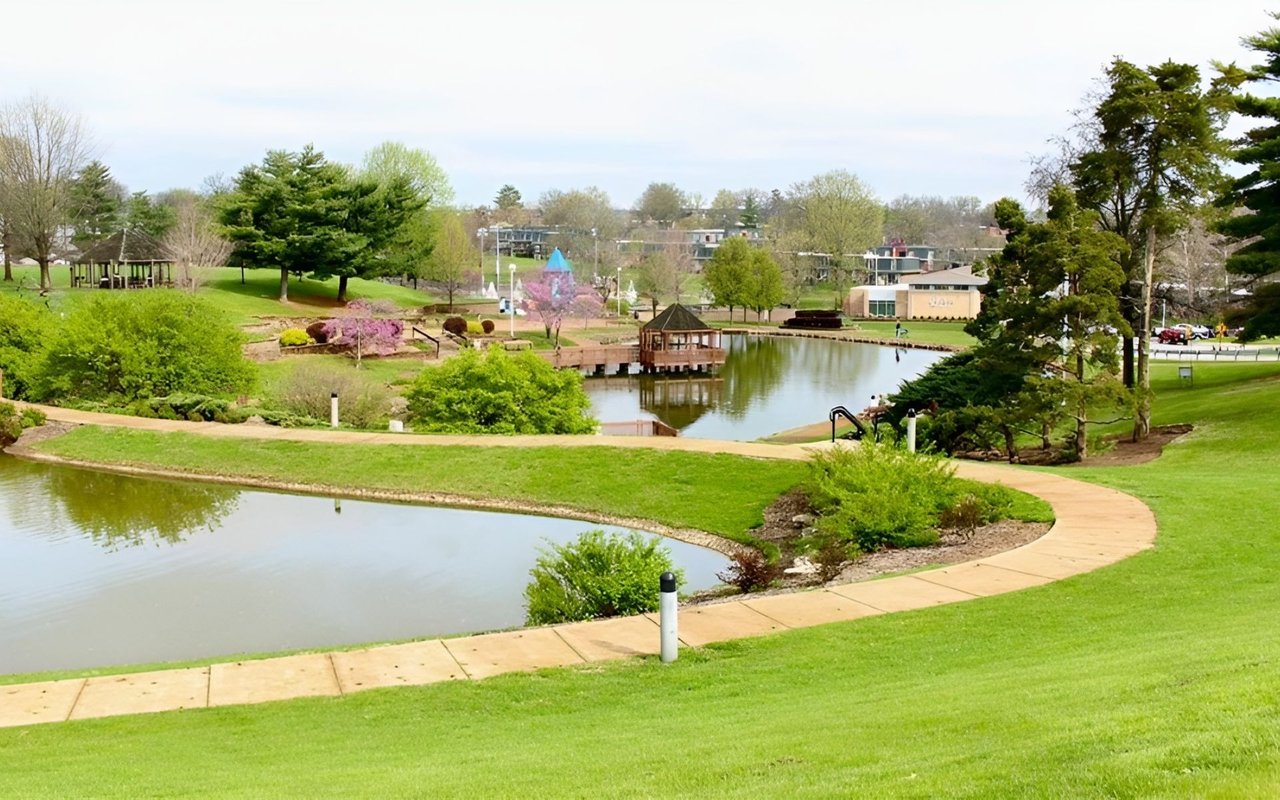
370 Lakeside Park in St. Peters wraps more than 300 acres around a 140-acre recreational lake. Boating, paddleboarding, fishing, a 4.5-mile paved lake loop, an archery range, dog parks, and full-hookup RV camping. Laurel Park and City Centre Park add outdoor aquatic centers, sports fields, fishing ponds, and paved trails closer to the residential core.
On the St. Charles side, Wapelhorst and Blanchette Parks are destination aquatic parks with lazy rivers, slides, splash pads, and full sports complexes — the kind of summer infrastructure that keeps families in the county.
The county park system adds range: white-sand lake views and hiking at Klondike Park, dedicated dark-sky astronomy viewing at Broemmelsiek Park, and an extreme sports skate and BMX complex at Kinetic Park.
Daily convenience here is strong, and it's split between traditional retail corridors and a genuinely distinctive independent scene downtown.
Mid Rivers Mall in St. Peters remains the county's central retail hub, surrounded by power centers along Mid Rivers Mall Drive. The Veterans Memorial Parkway and I-70 corridor carries the big-box inventory — Target, Walmart, Sam's Club, Costco, home improvement, and the county's auto dealership row. Between the two, you rarely need to cross the river for anything routine.
Historic Main Street is the counterweight: over a hundred independent shops, antique dealers, galleries, and specialty retailers operating out of preserved 19th-century storefronts. The Streets of St. Charles, off I-70, splits the difference with a modern mixed-use lifestyle center combining luxury apartments, a boutique hotel, office space, and upscale dining.
The dining scene has more depth than most suburban counties. Main Street carries the historic taverns, Italian kitchens, pub fare, and riverfront patios. The craft beverage scene has grown substantially — Schlafly Bankside, Third Wheel Brewing, and Two Plumbers Brewery + Arcade among the local anchors. The Streets of St. Charles handles upscale-casual, and the Mid Rivers and Highway 94/364 corridors cover the full range of fast-casual and national chains.
Healthcare is well covered, which matters more to buyers than it used to. Barnes-Jewish St. Charles Hospital provides full-service acute and emergency care. SSM Health St. Joseph operates campuses in both St. Charles and St. Peters covering cardiovascular, orthopedic, oncology, and emergency services. Progress West Hospital on the county's western edge adds further emergency and surgical capacity. For buyers relocating with aging parents or managing ongoing care, no part of either city is far from a full-service hospital.
The river is the defining geographic fact of commuting here, and which bridge you use determines your quality of life more than your mileage does.
MO-364, the Page Avenue Extension, is the corridor's best-kept advantage. This modern east-west expressway crosses the Missouri River on the Veterans Memorial Bridge and connects St. Charles and St. Peters directly into Maryland Heights, Creve Coeur, and Clayton — bypassing I-70 congestion entirely. If you work in central St. Louis County, a home with quick MO-364 access is worth paying for.
Interstate 70 runs the northern spine of the county, feeding Lambert International Airport and downtown St. Louis. It's the most heavily used crossing and the most affected by peak-hour volume and construction.
Interstate 64 / US-40 serves southern St. Charles County via the Daniel Boone Bridge into Chesterfield, West County's business district, and the BJC/Washington University Medical Center corridor. For medical professionals and Chesterfield Valley employees, this is the deciding route.
MO-94 and Mid Rivers Drive handle intra-county movement, linking neighborhoods to retail districts and highway ramps.
Realistic drive times from the St. Charles/St. Peters area:
One practical note: both cities are car-dependent. Public transit coverage is limited compared to what relocating buyers from larger metros may expect. Plan on a vehicle per driving-age household member.
This is where local experience earns its keep. St. Charles County has several procedural and geographic realities that surprise buyers coming from other parts of the metro — or from out of state.
Both the City of St. Charles and the City of St. Peters require a municipal occupancy inspection and permit before a new owner or tenant can legally move in. Code enforcement inspects safety items — smoke detectors, handrails, outlet condition, GFCI protection, water heater pressure relief valves, and similar.
The part that trips people up is timing and responsibility. The purchase contract needs to clearly specify who obtains the permit, who pays for required repairs, and by when. Scheduling backlogs happen, and an occupancy inspection that wasn't addressed early can delay a closing or, worse, leave a buyer unable to move in on the day they've already loaded the truck. This gets handled at contract drafting, not at the closing table.
Missouri assesses residential property at 19% of market value. Effective rates across St. Charles County generally run in the range of roughly 1.08% to 1.33%, lower than neighboring St. Louis County — but the actual figure depends heavily on which school district and municipal boundaries the parcel falls into. Two homes at the same price in the same city can carry noticeably different tax bills.
Separately, some newer subdivisions and developments adjacent to commercial centers carry Community Improvement District (CID) or Transportation Development District (TDD) assessments. These fund local infrastructure by adding to sales tax rates in the district or, in some cases, attaching a special annual assessment to your property tax bill. They're entirely legal and often reasonable — but they should be identified and quantified before you commit, not discovered on your first tax statement.
The county is bordered by both the Missouri and Mississippi Rivers, and flood risk here is not theoretical. Elevated bluffs, central St. Peters, and midtown St. Charles sit well above the floodplain. But properties near the Missouri River bottomlands, out toward Portage Des Sioux, or along low-lying creek corridors — including portions near Spencer Creek — can fall within FEMA-designated 100-year flood zones. A mortgage on a property in one of those zones triggers mandatory flood insurance, which can add meaningfully to your monthly payment.
Pull the FEMA map for the specific parcel. Not the neighborhood, not the street — the parcel. Elevation can change materially within a single block.
Most subdivisions built after roughly 1980 have active homeowners associations governing exterior modifications, fencing, paint colors, outbuildings, parking, and increasingly short-term rental policy. If you plan to add a shed, install a specific fence, park an RV, or list on a short-term rental platform, read the covenants before you go under contract. New Town's architectural guidelines are the most detailed in the county.
Meanwhile, plenty of homes carrying a St. Charles or St. Peters mailing address actually sit in unincorporated St. Charles County. Those properties typically offer larger lots, fewer HOA restrictions, and lower municipal tax exposure — but they fall under county jurisdiction for services and may rely on private contracts for utilities like trash collection or on well and septic systems rather than municipal water and sewer. It's a legitimate trade-off, just one you should make knowingly.
Homes from the 1960s and 1970s in both cities may still have original cast iron or clay sewer laterals. A sewer scope is inexpensive relative to what a lateral replacement costs. Older properties in the historic districts may be subject to exterior review requirements that affect windows, siding, and roofing choices — budget accordingly. And on any historic home, insist on an inspector who has actually worked on 19th-century construction, because the failure modes are different from those in a 1995 two-story.
St. Charles and St. Peters reward buyers and sellers who know the specifics — which side of a street sits in Francis Howell versus Fort Zumwalt, which Frenchtown blocks have already turned and which haven't, which subdivisions carry TDD assessments, and how to structure an occupancy inspection contingency so it doesn't derail a closing. That kind of detail doesn't come from a listing portal.
Patton Properties, led by broker Ryan Patton, works across the St. Louis metro from an office at 338 S Kirkwood Rd, Ste 105, Kirkwood, MO 63122. Ryan is a licensed real estate broker in both Missouri and Illinois, a graduate of Washington University in St. Louis with a BSBA in Marketing and Management, and the owner of Innovia Company, a custom homebuilding firm. That building background is genuinely useful in a market like this one — it means renovation scope, construction quality, and the real cost of deferred maintenance get assessed honestly rather than guessed at, whether you're evaluating a Frenchtown rehab, a 1970s ranch in Spencer Creek, or a new build in New Town.
If you're weighing a move into St. Charles County, trying to understand what your current home would bring in today's market, or just want an unvarnished read on a specific subdivision or school boundary, we're happy to be a resource. Reach Ryan directly at [email protected] or (314) 821-8900. No pressure and no obligation — just straight answers from people who work these neighborhoods.
There's plenty to do around St. Charles / St. Peters, including shopping, dining, nightlife, parks, and more. Data provided by Walk Score and Yelp.
Explore popular things to do in the area, including Convenient Food Mart, Pink Evergreens Bakery, and Fresh Harvest Market.
| Name | Category | Distance | Reviews |
Ratings by
Yelp
|
|---|---|---|---|---|
| Dining | 0.21 miles | 0 reviews | 0/5 stars | |
| Dining | 0.42 miles | 0 reviews | 0/5 stars | |
| Dining · $ | 0.5 miles | 0 reviews | 0/5 stars | |
| Dining | 0.51 miles | 0 reviews | 0/5 stars | |
| Dining · $ | 0.58 miles | 17 reviews | 3.1/5 stars | |
| Dining | 0.68 miles | 0 reviews | 0/5 stars | |
| Dining | 0.86 miles | 0 reviews | 0/5 stars | |
| Dining · $ | 0.92 miles | 2 reviews | 4.5/5 stars | |
| Shopping | 0.62 miles | 0 reviews | 0/5 stars | |
| Shopping | 0.98 miles | 0 reviews | 0/5 stars | |
| Active | 0.27 miles | 0 reviews | 0/5 stars | |
| Active | 0.5 miles | 4 reviews | 3.3/5 stars | |
| Active | 0.67 miles | 0 reviews | 0/5 stars | |
| Active | 0.85 miles | 0 reviews | 0/5 stars | |
| Nightlife | 0.6 miles | 5 reviews | 4.4/5 stars | |
| Nightlife | 0.82 miles | 3 reviews | 2.3/5 stars | |
| Nightlife | 0.85 miles | 0 reviews | 0/5 stars | |
| Beauty | 0.56 miles | 0 reviews | 0/5 stars | |
| Beauty | 0.56 miles | 0 reviews | 0/5 stars | |
| Beauty | 0.69 miles | 0 reviews | 0/5 stars | |
| Beauty | 0.7 miles | 0 reviews | 0/5 stars | |
| Beauty | 0.73 miles | 3 reviews | 5/5 stars | |
| Beauty | 1.08 miles | 0 reviews | 0/5 stars | |
| Beauty | 1.09 miles | 0 reviews | 0/5 stars | |
|
|
||||
|
|
||||
|
|
||||
|
|
||||
|
|
||||
|
|
St. Charles / St. Peters has 30,186 households, with an average household size of 2.19. Data provided by the U.S. Census Bureau. Here’s what the people living in St. Charles / St. Peters do for work — and how long it takes them to get there. Data provided by the U.S. Census Bureau. 71,048 people call St. Charles / St. Peters home. The population density is 2,862 and the largest age group is Data provided by the U.S. Census Bureau.
Total Population
Population Density Population Density This is the number of people per square mile in a neighborhood.
Median Age
Men vs Women
Population by Age Group
0-9 Years
10-17 Years
18-24 Years
25-64 Years
65-74 Years
75+ Years
Education Level
Total Households
Average Household Size
Average individual Income
Households with Children
With Children:
Without Children:
Marital Status
Blue vs White Collar Workers
Blue Collar:
White Collar: