Wondering whether an older Webster Groves home is a charming opportunity or a renovation headache? In this market, it can be both, and that is exactly why planning matters. If you are updating a house here, you need to balance comfort, budget, resale, and local rules without losing the character that made the home appealing in the first place. Let’s walk through what to know before you start.
Why Webster Groves Renovations Need Extra Planning
Webster Groves is not just another older-home market. The city was established in 1896, includes homes dating from the mid-1800s to today, and has five historic districts plus 48 historic landmarks. That means renovation decisions often affect more than your daily living. They can also influence how well your home fits its architectural setting.
The good news is that local preservation standards are meant to manage change, not stop it. In other words, you can modernize an older home while still respecting the details that give it lasting appeal. That balance is often where the best renovation outcomes happen in Webster Groves.
Start With the Home’s History
Before you pick finishes or call for bids, spend time learning what you own. The City of Webster Groves recommends starting with the property description or closing abstract and documenting what you find along the way. That early research can help you tell what is original, what was added later, and which parts of the house are worth preserving.
You can also learn a lot from the home itself. Basement footprints, attic rafters, moldings, flooring, siding, and window construction can all offer clues about age and past changes. If you understand those layers first, your renovation plan will be more grounded and usually more cost-effective.
Focus on Features Worth Preserving
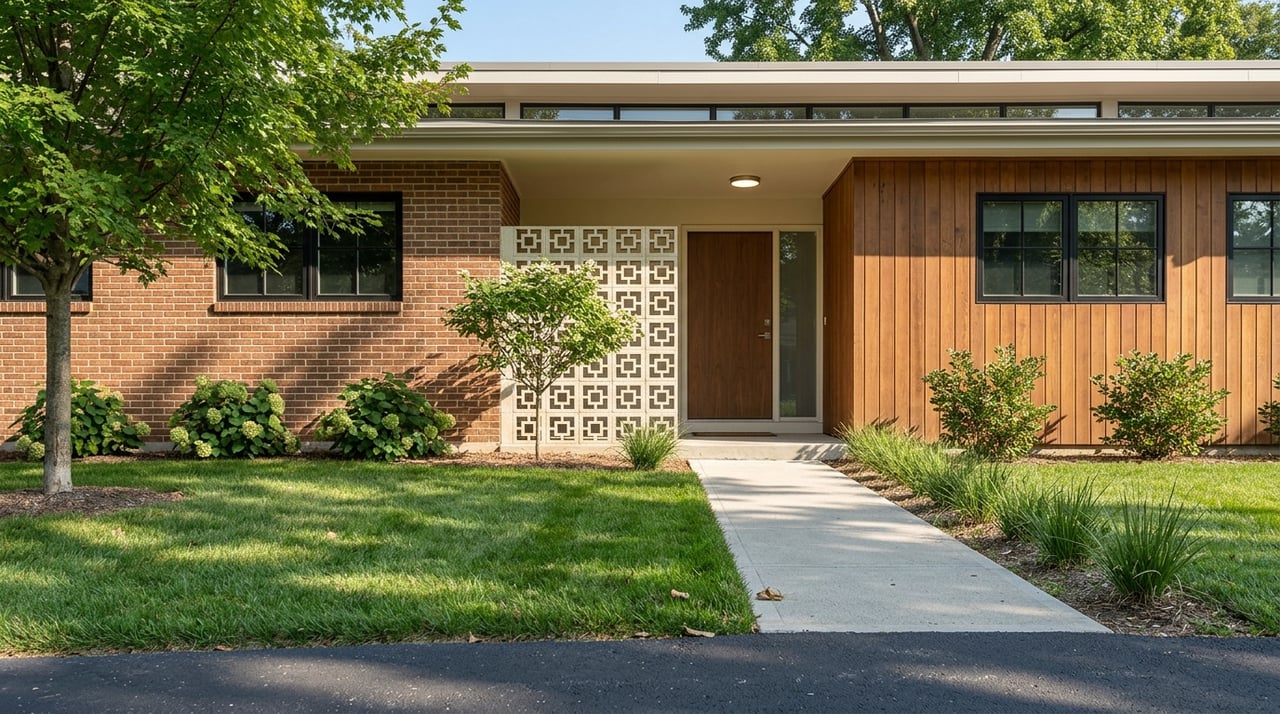
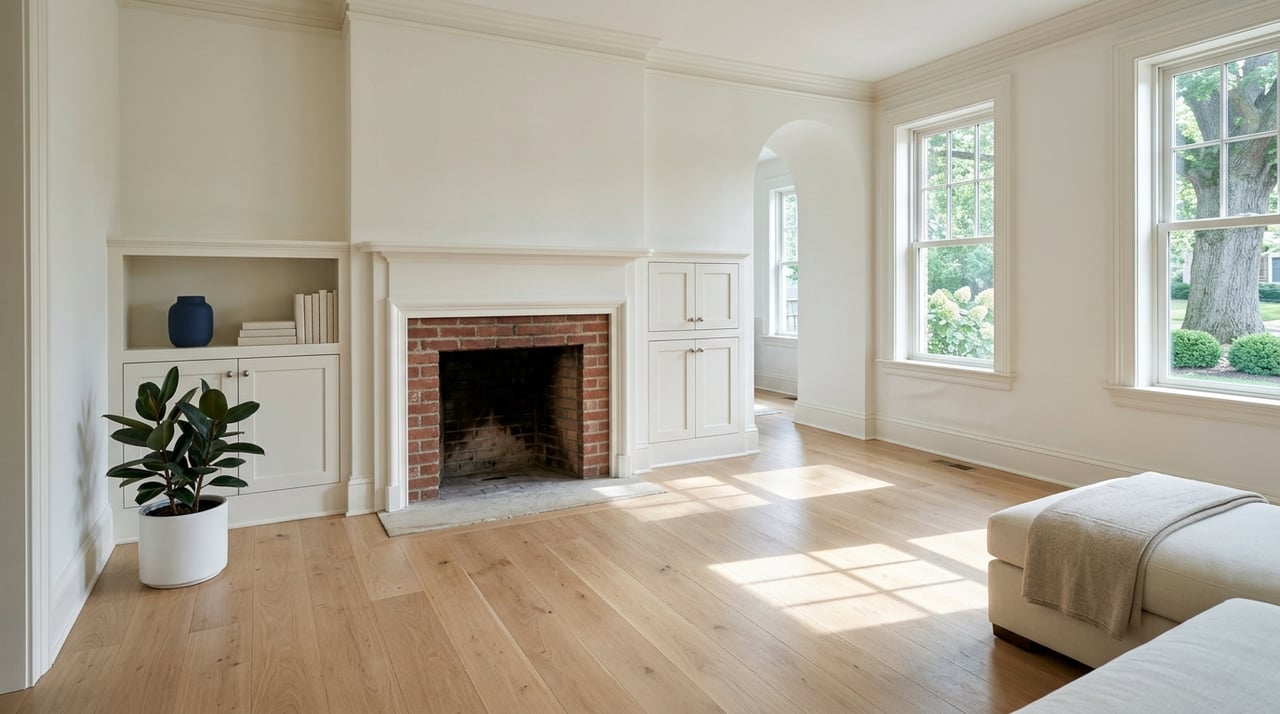
Older homes in Webster Groves often stand out because of their scale, materials, and craftsmanship. When possible, try to keep the visible features that define the house’s original character. These details can matter for both appearance and long-term value.
Key elements to protect when feasible include:
- Original roof lines and visible roof forms
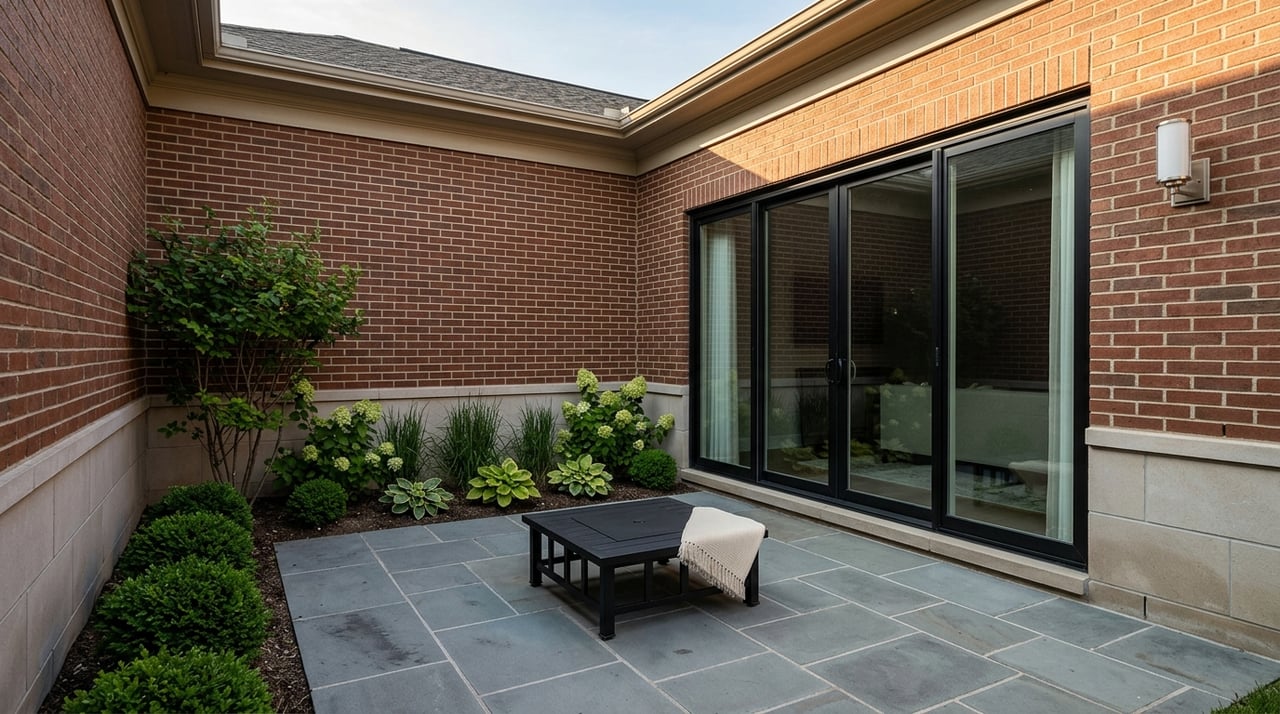
- Masonry and other original exterior materials
- Window openings and traditional muntin patterns
- Doors, trim, and porch details
- Exterior proportions that match the home’s original design
In Old Webster preservation guidelines, the city says roof shapes should not be changed, visible roof surfaces should stay close to original, masonry should be cleaned non-abrasively, and replacement windows should match the original size and reflective qualities. Those points can be especially important if your home is in a historic district or has landmark status.
Put Renovation Priorities in the Right Order
It is easy to get excited about kitchens, tile, lighting, and paint colors. But in an older home, the smartest first moves are usually the least glamorous. If you want a project that feels manageable and protects resale value, start with the essentials.
A practical order of work is:
- Structural issues and water intrusion
- Systems and hazardous-material concerns
- Layout changes, kitchens, baths, additions, or garage work
- Finish selections like paint, fixtures, and trim
This order makes sense in Webster Groves because city permitting and preservation review tend to focus first on structure, utilities, exterior form, and regulated building components. Cosmetic decisions can usually wait until the bigger scope is clear.
Know When Permits Are Required
In Webster Groves, permits are not something to figure out at the last minute. The city requires a building permit for exterior or interior alterations, additions, demolition or moving of a structure, and installation or alteration of regulated equipment. The Building Division also inspects renovation work for compliance with building, plumbing, electrical, mechanical, and fire codes.
The city notes that permits are issued only to contractors registered with Webster Groves, unless you are acting as the general contractor on your own owner-occupied home. That makes contractor selection an early step, not just a hiring detail.
Understand Exterior Review Before You Build
If your project changes the exterior of the main building, there may be another layer of review. In Webster Groves, the Architectural Review Board reviews those plans before the Building Commissioner approves them. For homes in historic districts, fence and sign permits are also reviewed, and some landmark or district work may require a Certificate of Appropriateness.
For larger projects, submission materials may include:
- A survey
- A site plan
- Exterior elevations
- Floor plans
- Photos of the existing house
That is one reason preservation-aware design help can be so useful. If your plans need to show how an addition, porch change, or exterior alteration relates to the existing home, it helps to have drawings that clearly support your case.
Pay Close Attention to Garage Plans
Garage changes deserve special attention in Webster Groves. The city recently updated its front-facing garage ordinance, lowering the threshold to 25 percent on most blocks, while historic districts kept the 40 percent rule. If a proposed garage projects in front of or sits back from the house’s front elevation, the side elevation between front-facing facades must be architecturally integrated with the rest of the front elevation.
For homeowners, that means garage design is not just about storage or convenience. It is also about how the structure reads from the street and whether it fits the home’s overall design.
Plan for Lead, Asbestos, and Older Materials
If your Webster Groves home was built before 1978, lead-safe planning matters. The EPA requires paid renovators who disturb paint in pre-1978 homes to be certified and use lead-safe work practices. If you are buying or selling an older home, federal law also requires disclosure of known lead-based paint hazards in pre-1978 sales transactions.
Asbestos is another issue to take seriously. Older floor tile, ceiling tile, pipe wrap, or drywall materials may contain asbestos, and you cannot confirm that by sight alone. EPA guidance recommends sampling by a trained and accredited asbestos professional when renovation could disturb suspect materials.
Budget for Function First, Style Second
A beautiful renovation is great, but an older home has to work well first. If the roof leaks, masonry is failing, windows are compromised, or mechanical systems are outdated, those items usually deserve priority over cosmetic upgrades. They affect comfort, maintenance, and value more directly.
Once those items are under control, you can make smarter choices on kitchens, baths, and finishes. In many older Webster Groves homes, the best updates are the ones that improve how you live while still feeling consistent with the home’s scale and materials.
Think About Resale While You Renovate
Even if you plan to stay for years, resale still matters. Buyers in Webster Groves often respond well to homes that feel updated but not stripped of their original character. That usually means preserving visible architectural features where possible and avoiding changes that fight the home’s style.
Strong resale-minded renovation choices often include:
- Repairing and preserving original masonry or trim
- Keeping window openings consistent with the original design
- Updating kitchens and baths without overbuilding for the house
- Improving systems and livability before chasing trends
- Making additions feel integrated rather than tacked on
This is where a renovation plan can overlap with real estate strategy. The right improvements can support both your enjoyment now and your options later.
Time the Project Around Occupancy
Renovation schedules in Webster Groves can affect more than contractor availability. The city requires an occupancy permit before moving into a dwelling. If you are buying a home to renovate before move-in, or renovating before a sale, that timing should be part of your overall plan.
It is also a reminder that paperwork, inspections, and approvals are part of the project scope. They are not side tasks. Building them into your schedule early can help you avoid stress near the finish line.
Build the Right Team Early
Older-home renovations tend to go better when the right people are involved from the beginning. Depending on your scope, that may include a contractor registered with the city, a preservation-aware architect or designer, a lead-safe certified renovator, and an asbestos professional if suspect materials are present.
If you are also weighing buy-versus-renovate, renovate-versus-sell, or which upgrades will actually pay off, it helps to work with an advisor who understands both construction choices and market value. That bigger-picture planning can save you from investing in changes that create stress without adding meaningful function or appeal.
Renovating an older home in Webster Groves can be incredibly rewarding when you plan around the house, the city’s process, and your long-term goals. If you want help evaluating a property, deciding which updates make sense, or connecting renovation decisions to resale strategy, Patton Properties can help you move forward with clarity.
FAQs
What makes renovating an older home in Webster Groves different?
- Webster Groves has homes dating from the mid-1800s to the present, along with five historic districts and 48 historic landmarks, so renovation plans often need to account for preservation standards, exterior review, and neighborhood context.
What permits are required for a Webster Groves home renovation?
- The city requires building permits for exterior or interior alterations, additions, demolition or moving of a structure, and installation or alteration of regulated equipment.
Does exterior work on a Webster Groves home need Architectural Review Board approval?
- If the project changes the exterior of the main building, the Architectural Review Board reviews the plan before approval by the Building Commissioner, and some historic-district or landmark work may also require a Certificate of Appropriateness.
What older-home features should you preserve in Webster Groves?
- When feasible, try to preserve original roof lines, masonry, window openings, muntin patterns, doors, trim, and exterior proportions that reflect the home’s original design.
What should you fix first in an older Webster Groves house?
- A practical priority order is structural and water-intrusion issues first, then systems and hazardous materials, followed by layout changes and finally cosmetic finishes.
What should homeowners know about lead paint in older Webster Groves homes?
- In homes built before 1978, paid renovators who disturb paint must be certified and use lead-safe work practices, and known lead-based paint hazards must be disclosed in pre-1978 sales transactions.
What should homeowners know about garage renovations in Webster Groves?
- Front-facing garage rules changed recently, with a 25 percent threshold on most blocks and a 40 percent rule in historic districts, plus design requirements for architectural integration in some cases.
Do you need an occupancy permit after renovating a Webster Groves home?
- Yes, the city requires an occupancy permit before moving into a dwelling, so it is important to account for that step in your renovation timeline.