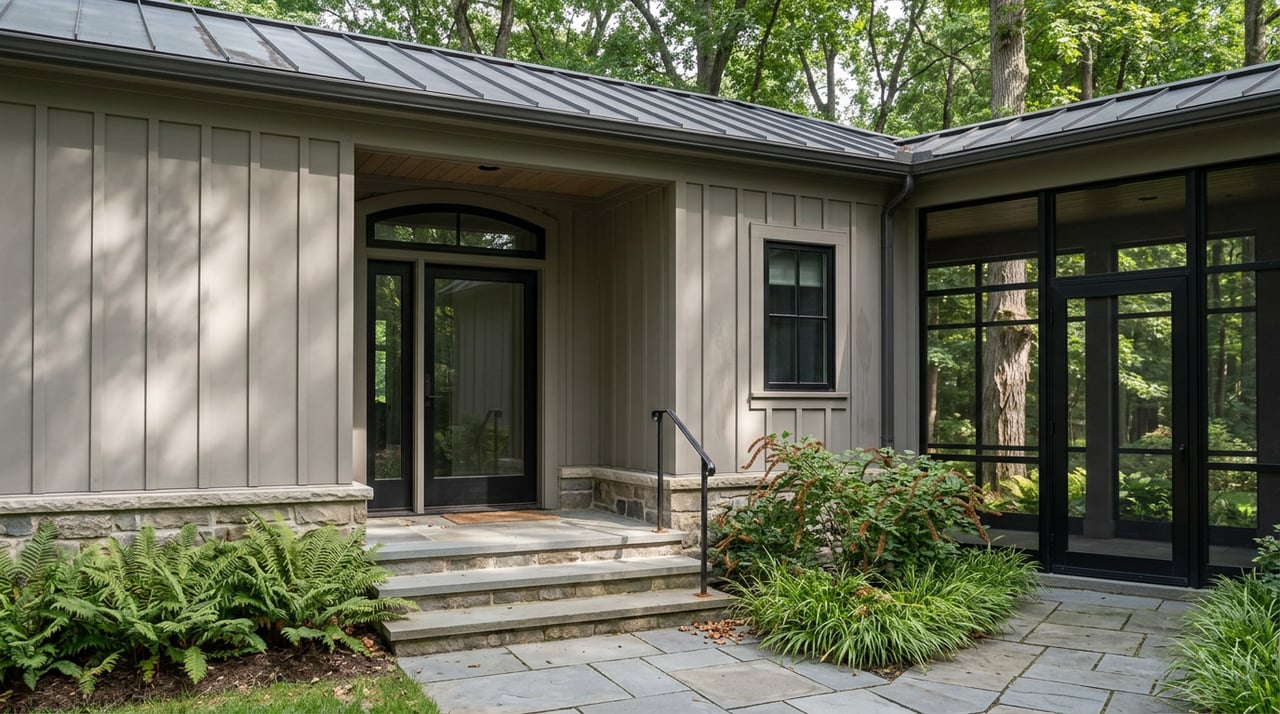
Imagine walking into your home and feeling instantly uplifted — each room perfectly balanced, the tones harmonizing effortlessly with your furnishings, and the light playing across the walls like a soft melody. Color has that kind of power. It’s not simply about decoration; it’s a form of expression that shapes how your home feels and how you connect to each space.
In your Sunset Hills home, your color palette can do more than refresh your walls. It can echo the natural landscapes around you, create continuity from room to room, and set the perfect tone for your lifestyle. Whether you’re aiming for a calm retreat, a bright and cheerful gathering space, or a refined, sophisticated atmosphere, the science of color gives you the tools to help your vision come alive.
When you understand how colors interact with light, furnishings, and mood, you can create a home that feels as though it was designed just for you. This guide will show you how to blend inspiration with strategy so that each color choice enhances the character of your space.
Understanding the Power of Color in Your Home
Color has an extraordinary ability to influence how you perceive your surroundings. It can make a room feel more open, cozier, brighter, or more grounded. Every hue carries its own energy, and learning how to harness that energy allows you to design with intention rather than guesswork.
In a home where light shifts beautifully throughout the day, you’ll notice that paint tones transform with the sun. Morning light tends to bring out softer, warmer notes in pale creams, beiges, and blush tones, while afternoon sunlight deepens cool grays, blues, and greens, adding richness and dimension. By observing how natural light moves through your space, you can choose colors that maintain their charm at every hour.
Think about what you want each room to evoke when you step inside. A soft sage or airy blue can breathe calm into a kitchen or breakfast nook, while a sandy beige or taupe creates a serene backdrop for a living room. Your office might come alive with a subtle lavender or a cool misty gray, while a dining area shines with golden undertones that spark warmth and conversation. When you use color with purpose, your home becomes an ever-changing reflection of mood and light — a space that feels alive and intentional.
In a home where light shifts beautifully throughout the day, you’ll notice that paint tones transform with the sun. Morning light tends to bring out softer, warmer notes in pale creams, beiges, and blush tones, while afternoon sunlight deepens cool grays, blues, and greens, adding richness and dimension. By observing how natural light moves through your space, you can choose colors that maintain their charm at every hour.
Think about what you want each room to evoke when you step inside. A soft sage or airy blue can breathe calm into a kitchen or breakfast nook, while a sandy beige or taupe creates a serene backdrop for a living room. Your office might come alive with a subtle lavender or a cool misty gray, while a dining area shines with golden undertones that spark warmth and conversation. When you use color with purpose, your home becomes an ever-changing reflection of mood and light — a space that feels alive and intentional.
Evaluating Natural Light in Sunset Hills Homes
Sunlight has a unique warmth, especially during late afternoons when the golden glow filters through the trees. Because natural light dramatically affects how color appears, it’s essential to evaluate how much sunlight each room receives before committing to a palette.
Rooms that face south tend to be flooded with natural light for most of the day. These spaces can easily carry cooler hues — think misty gray-blue, gentle seafoam, or even soft charcoal — without feeling too cold. In contrast, north-facing rooms often receive more muted light, which pairs beautifully with warmer tones, such as honey beige, soft terracotta, or cream with yellow undertones.
If your space receives varying light throughout the day, test paint samples in several spots on your walls and observe them morning, noon, and evening. You’ll notice how the color shifts with the changing light. This simple experiment reveals the subtle science behind color perception, ensuring that your chosen shades always look intentional and flattering, no matter the hour.
Rooms that face south tend to be flooded with natural light for most of the day. These spaces can easily carry cooler hues — think misty gray-blue, gentle seafoam, or even soft charcoal — without feeling too cold. In contrast, north-facing rooms often receive more muted light, which pairs beautifully with warmer tones, such as honey beige, soft terracotta, or cream with yellow undertones.
If your space receives varying light throughout the day, test paint samples in several spots on your walls and observe them morning, noon, and evening. You’ll notice how the color shifts with the changing light. This simple experiment reveals the subtle science behind color perception, ensuring that your chosen shades always look intentional and flattering, no matter the hour.
Creating Seamless Color Flow from Room to Room
A beautifully painted home doesn’t rely on a single color; it thrives on flow and connection. Think of your entire home as one continuous story told through color. Each room should have its own character while still harmonizing with the next, creating a sense of rhythm and movement.
Begin by choosing a foundation tone that reflects your overall vision. Soft neutrals like pale beige, ivory, or greige create a flexible canvas for the rest of your home. Once you’ve established your base, select coordinating hues that share similar undertones. For example, a warm white living room transitions effortlessly into a buttery cream kitchen, while a cool-toned gray hallway feels balanced next to a blue-gray bedroom.
Accent colors also play a crucial role in tying your palette together. Perhaps a muted navy adds sophistication to a study or a subtle blush highlights a guest room. By repeating complementary tones throughout your home — whether in paint, trim, or accent décor — you build cohesion that feels deliberate and polished. The result is a harmonious flow that guides the eye and evokes a sense of balance every time you move from one space to another.
Begin by choosing a foundation tone that reflects your overall vision. Soft neutrals like pale beige, ivory, or greige create a flexible canvas for the rest of your home. Once you’ve established your base, select coordinating hues that share similar undertones. For example, a warm white living room transitions effortlessly into a buttery cream kitchen, while a cool-toned gray hallway feels balanced next to a blue-gray bedroom.
Accent colors also play a crucial role in tying your palette together. Perhaps a muted navy adds sophistication to a study or a subtle blush highlights a guest room. By repeating complementary tones throughout your home — whether in paint, trim, or accent décor — you build cohesion that feels deliberate and polished. The result is a harmonious flow that guides the eye and evokes a sense of balance every time you move from one space to another.
The Hidden Influence of Undertones
Every paint color has an undertone, which is the subtle hue beneath the surface that determines whether it leans warm or cool. Understanding undertones is key to mastering the art of color selection. They may not be obvious on the swatch, but they’re what give a color its true personality once it’s on your walls.
For example, a “pure” gray may have blue undertones that feel fresh and modern or beige undertones that feel cozy and traditional. White shades can be surprisingly complex as well; some lean toward creamy yellow, while others carry hints of pink or gray. By comparing samples against a true white background, you can quickly see which direction each undertone leans.
Once you know your preference, carry that undertone throughout your home to keep the look consistent. If your palette leans warm, opt for complementary shades like camel, rust, and olive. If you prefer cooler undertones, explore tones like slate, mist, or silver-gray. This subtle consistency creates visual harmony and a professional, designer-inspired finish that makes your home feel effortlessly elegant.
For example, a “pure” gray may have blue undertones that feel fresh and modern or beige undertones that feel cozy and traditional. White shades can be surprisingly complex as well; some lean toward creamy yellow, while others carry hints of pink or gray. By comparing samples against a true white background, you can quickly see which direction each undertone leans.
Once you know your preference, carry that undertone throughout your home to keep the look consistent. If your palette leans warm, opt for complementary shades like camel, rust, and olive. If you prefer cooler undertones, explore tones like slate, mist, or silver-gray. This subtle consistency creates visual harmony and a professional, designer-inspired finish that makes your home feel effortlessly elegant.
The Emotional Power of Color
The hues that surround you can influence your mood, inspire creativity, and create a sense of connection within your space. When chosen thoughtfully, color transforms the way you experience your home.
Warm tones like peach, golden beige, or buttery cream can make living spaces feel inviting and joyful. Cooler shades, such as powder blue, soft lavender, or gray-green, bring a soothing calm to bedrooms or offices. Even bold colors can have a place when used strategically; deep navy can make a dining room feel elegant, while muted coral infuses an entryway with energy and charm.
Each room in your home should evoke a purpose. Imagine starting your day in a sunlit kitchen painted in a soft, energizing yellow, then unwinding in an evening-toned living room. This emotional connection is what makes a house feel like home, and color is the most powerful way to achieve it.
Warm tones like peach, golden beige, or buttery cream can make living spaces feel inviting and joyful. Cooler shades, such as powder blue, soft lavender, or gray-green, bring a soothing calm to bedrooms or offices. Even bold colors can have a place when used strategically; deep navy can make a dining room feel elegant, while muted coral infuses an entryway with energy and charm.
Each room in your home should evoke a purpose. Imagine starting your day in a sunlit kitchen painted in a soft, energizing yellow, then unwinding in an evening-toned living room. This emotional connection is what makes a house feel like home, and color is the most powerful way to achieve it.
Coordinating Paint with Furnishings and Design Elements
Your paint colors don’t stand alone; they’re part of a larger design scheme that includes furniture, flooring, lighting, and décor. When you coordinate paint tones with these elements, your home takes on a cohesive, well-curated look.
If you have dark wood furniture, a lighter wall color can create beautiful contrast, allowing your pieces to stand out. Homes with light oak or maple finishes pair wonderfully with deeper, grounding wall tones like olive, clay, or pewter. Metallic accents, such as brass or nickel, add dimension and can subtly shift how paint appears, enhancing its warmth or coolness depending on your palette.
To find harmony, collect fabric swatches, flooring samples, and photos of your furnishings while choosing paint colors. Compare them together under both natural and artificial light. You’ll see instantly which tones complement one another. When every element feels connected, the result is a space that feels polished, inviting, and completely your own.
If you have dark wood furniture, a lighter wall color can create beautiful contrast, allowing your pieces to stand out. Homes with light oak or maple finishes pair wonderfully with deeper, grounding wall tones like olive, clay, or pewter. Metallic accents, such as brass or nickel, add dimension and can subtly shift how paint appears, enhancing its warmth or coolness depending on your palette.
To find harmony, collect fabric swatches, flooring samples, and photos of your furnishings while choosing paint colors. Compare them together under both natural and artificial light. You’ll see instantly which tones complement one another. When every element feels connected, the result is a space that feels polished, inviting, and completely your own.
Color That Captures the Essence of Home
Every shade tells a story, and your home’s color palette is the narrative of your space. When you choose paint tones thoughtfully, your rooms become expressions of who you are and how you want to feel each day.
By combining the science of light with the art of emotion, you can design a home that feels balanced, uplifting, and deeply personal. If you’re ready to begin your real estate journey in Sunset Hills, team up with Patton Properties for trusted guidance.
By combining the science of light with the art of emotion, you can design a home that feels balanced, uplifting, and deeply personal. If you’re ready to begin your real estate journey in Sunset Hills, team up with Patton Properties for trusted guidance.