If you are thinking about buying rental property in University City, MO, you are probably asking the right question first: does the deal really work here? University City has a strong renter base, older housing stock, and access to major nearby campuses and employers, but that does not mean every property is a winner. In this guide, you will learn what supports rental demand, where investors need to slow down and dig deeper, and how to evaluate opportunities with more confidence. Let’s dive in.
Why University City Draws Rental Demand
University City has a meaningful renter base built into its housing mix. According to recent Census estimates, the city has 34,657 residents and 15,782 households, with an owner-occupied rate of 56.2% and a median gross rent of $1,319. The city’s 2024 comprehensive plan also notes that rental housing plays an important role locally and serves a range of household types.
That matters because demand is not tied to just one renter profile. The city identifies rental housing as an option for students, young families, people living alone, and households priced out of ownership. For you as an investor, that broader pool can support more stable long-term demand than a market that depends on only one type of tenant.
Location also helps. University City sits near Washington University’s Danforth Campus, and the Washington University Medical Campus is a major regional employment center with more than 26,000 employees. The Delmar Loop adds another layer of appeal with a walkable mix of dining, shopping, arts, and entertainment near campus.
What the Housing Stock Means for Investors
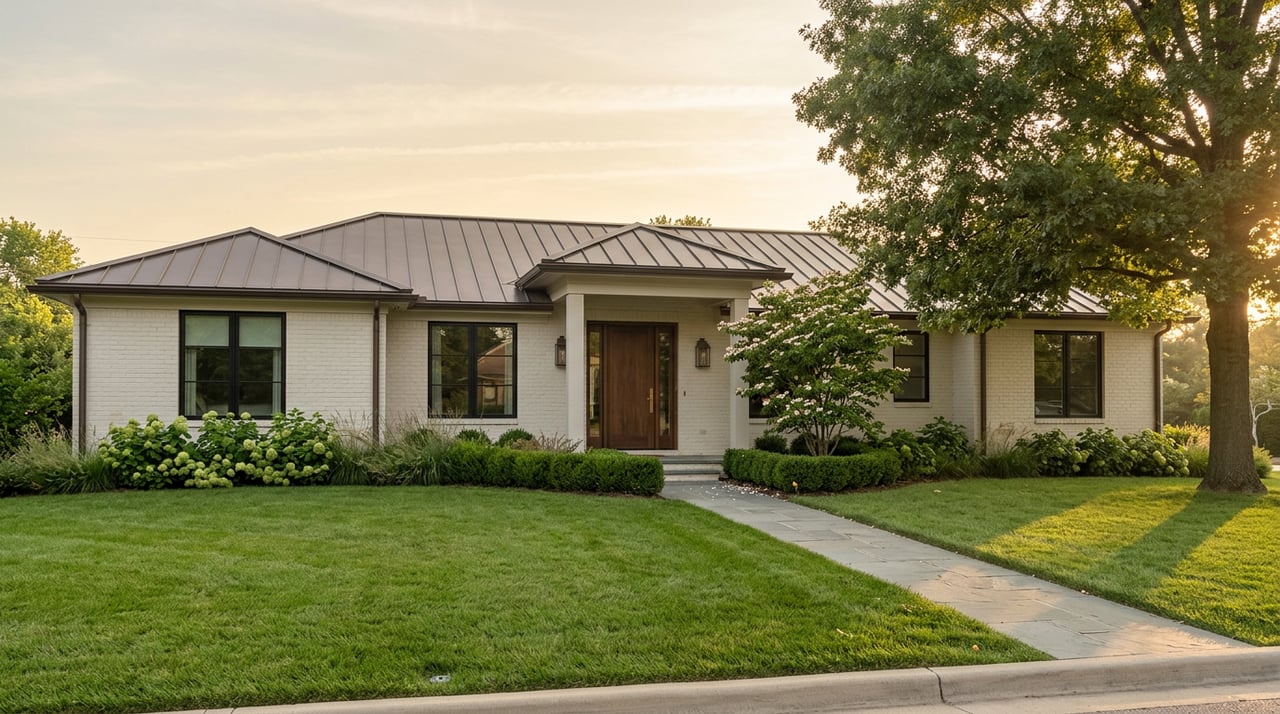
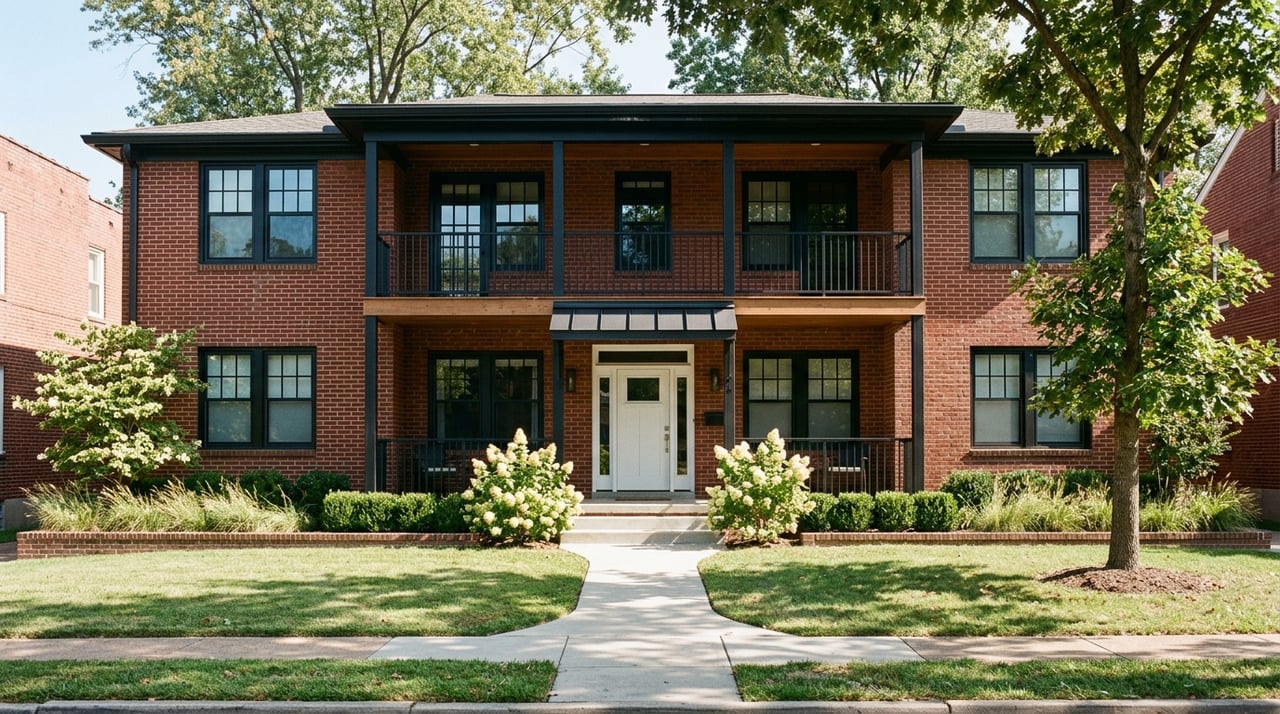
University City offers a wide range of property types, from single-family homes to multifamily housing and apartment complexes. That variety gives you more ways to match a property to your budget and strategy. It also means you need to evaluate each opportunity on its own merits instead of relying on a citywide average.
A key local factor is age. City materials say 36% of the housing stock was built before 1939, which creates real value-add potential for buyers open to renovations or deferred maintenance. Older homes can offer character and upside, but they can also come with aging systems, outdated finishes, and higher repair costs.
This is where a careful acquisition plan matters. If you are buying for cash flow, rehab costs can quickly change your numbers. If you are buying for appreciation and rent growth, the right renovation scope can improve both tenant appeal and long-term value.
Rehab Opportunity Comes With Extra Diligence
Older housing often creates opportunity, but in University City it can also create more process. The Historic Preservation Commission reviews proposed changes within historic districts and demolition applications in local historic districts. If your plan involves exterior work or a major redevelopment angle, you may need extra approvals and more time.
Neighborhood-level differences matter too. City planning materials indicate that property values can vary significantly by area, and lower values may overlap with flood-prone zones. That means your due diligence should go beyond the house itself and include block-by-block comparable sales, floodplain checks, and a realistic review of future resale potential.
Public investment is another piece of the story. The city’s comprehensive plan focuses on housing quality, connectivity, and mixed-use activity, while redevelopment at Market at Olive includes improvements tied to housing, streets, lighting, landscaping, and safety. None of that guarantees appreciation, but it does show active reinvestment in the community.
Rent and Price Trends to Watch
If you are screening deals in University City, the headline numbers are worth watching, but they should not be the final word. Zillow reports an average rent of $1,795 as of May 14, 2026, with 171 available rentals and a year-over-year rent increase of $145. On the ownership side, Zillow puts the typical home value at $265,370 and says homes go pending in about 9 days.
Other sources show different figures. Realtor.com reports a median listing price of $273.8K and a median rent of about $1.6K. That kind of variation is common across market trackers, so it is smart to use citywide data as a starting point, then verify numbers against the exact neighborhood and property type you are targeting.
Does a Rental Property Pencil Out?
At a quick glance, University City can look workable for rental buyers, but it is not an automatic slam dunk. Using current market tracker figures, the rough gross-yield screen lands around 7% to 8%, depending on whether you use typical home value or median sale price. That is a useful starting point, not a final investment decision.
The bigger issue is how financing and repairs affect your cash flow. Census data shows median monthly owner costs with a mortgage at $1,928 compared with median gross rent of $1,319. That gap suggests your purchase price, loan structure, insurance, taxes, maintenance, and rehab budget will heavily influence whether a deal performs.
In plain terms, buying right matters here. If you overpay or underestimate repairs, rental income may not make up for the difference. If you buy well and manage improvements carefully, the math can become much more attractive.
Local Rules You Need to Know
One of the most important local issues in University City is the occupancy permit process. The city says anyone moving into University City must apply for and receive an occupancy permit before move-in. The city also lists residential occupancy permits for both renter- and owner-occupied properties.
That requirement makes pre-closing planning important. The city’s FAQ says that if you plan to sell a home or rent out an apartment or house, you should arrange an inspection before putting the property on the market. Those inspections are tied to the local property-maintenance code, which means condition issues can affect your timeline and budget.
For rental owners, this is not a small detail. You want to understand what repairs may be required, how long approvals could take, and whether your renovation plan lines up with city requirements before you finalize your numbers.
How to Underwrite a University City Rental
A strong underwriting process can help you avoid the most common investor mistakes in this market. University City has enough complexity that broad assumptions can get expensive. You are usually better off building your analysis around the specific block, condition, and likely renter profile of the property.
Here is a practical checklist to use:
- Compare recent rents for similar property types nearby
- Review the property’s age and likely system updates or replacements
- Check whether the property is in a historic district
- Confirm occupancy permit and inspection requirements early
- Review flood-prone area concerns where relevant
- Build in a repair and vacancy cushion
- Stress-test financing terms before making an offer
If you plan to house hack, self-manage, or hold long term, your review should be even more detailed. Lease structure, maintenance planning, and tenant expectations can shape your returns just as much as the purchase price.
Why Local Guidance Matters
University City can reward investors who think beyond a simple buy-and-rent approach. This is the kind of market where valuation, renovation scope, leasing strategy, and exit planning all connect. A property that looks average on paper may become a strong opportunity if you price repairs correctly, understand local process, and match the asset to the right strategy.
That is also why many buyers benefit from working with an advisor who understands more than just the sale itself. When you are weighing acquisition numbers, rehab potential, rental positioning, and long-term value, practical insight can help you move faster and avoid surprises.
Whether you are looking at your first rental or adding another property to your portfolio, University City deserves a careful, neighborhood-specific approach. If you want help evaluating a purchase, renovation upside, leasing potential, or long-term investment strategy, connect with Patton Properties.
FAQs
Do you need an occupancy permit for a rental property in University City, MO?
- Yes. The city requires an occupancy permit before move-in, and that process applies to residential properties that are renter- or owner-occupied.
Are older homes in University City, MO good rental investments?
- They can be, especially if you are looking for value-add potential, but many properties are older and may need system updates, repairs, or more detailed due diligence.
Can historic district rules affect a University City rental property purchase?
- Yes. Properties in local historic districts may require Historic Preservation Commission review for certain exterior changes or demolition requests.
Is University City, MO a strong rental market for investors?
- University City has a sizable renter base, nearby campus and employment demand, and active rental listings, but each deal still needs careful underwriting.
What should you check before buying rental property in University City, MO?
- Focus on local rent comps, condition, rehab costs, floodplain concerns, historic district status, financing terms, and the city’s occupancy permit and inspection requirements.